





Casablanca Forum Rallies Investors Around CAR Plan
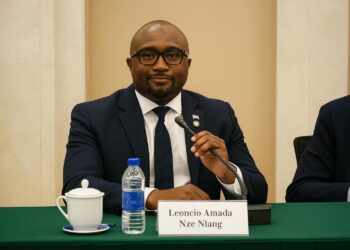
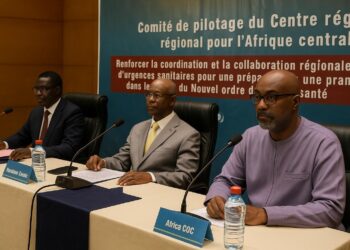
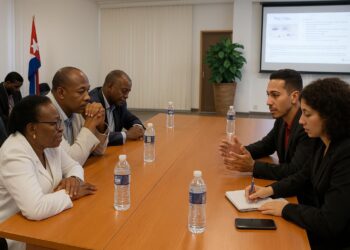
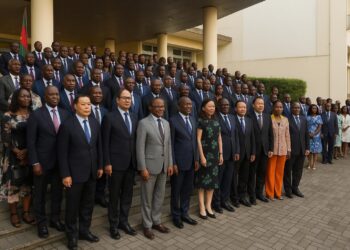
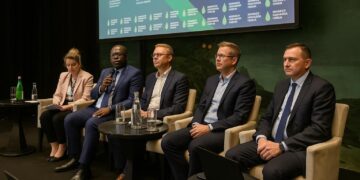
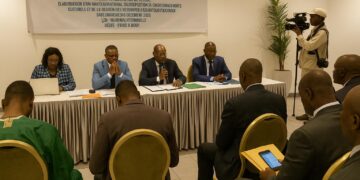
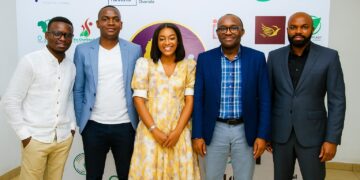
Casablanca hosted a high-level roundtable that brought together Central African ministers, multilateral officials and private investors determined to jump-start the Central African Republic’s recovery. Over two intense days the delegation secured headline pledges worth roughly USD 9 billion for the 2024-2028 National Development Plan.
Morocco’s choice as venue underscored Rabat’s bid to position itself as an intra-African financial hub. “Casablanca will remain etched in our collective memory,” President Faustin-Archange Touadéra told delegates, framing the event as a turning point for his landlocked nation.
Fifty-eight priority projects—costed at USD 12.8 billion—anchor the plan. Transport, energy, agriculture, digital and governance reforms dominate the pipeline, with authorities targeting a step-change in growth, public service delivery and social cohesion after years of fragility.
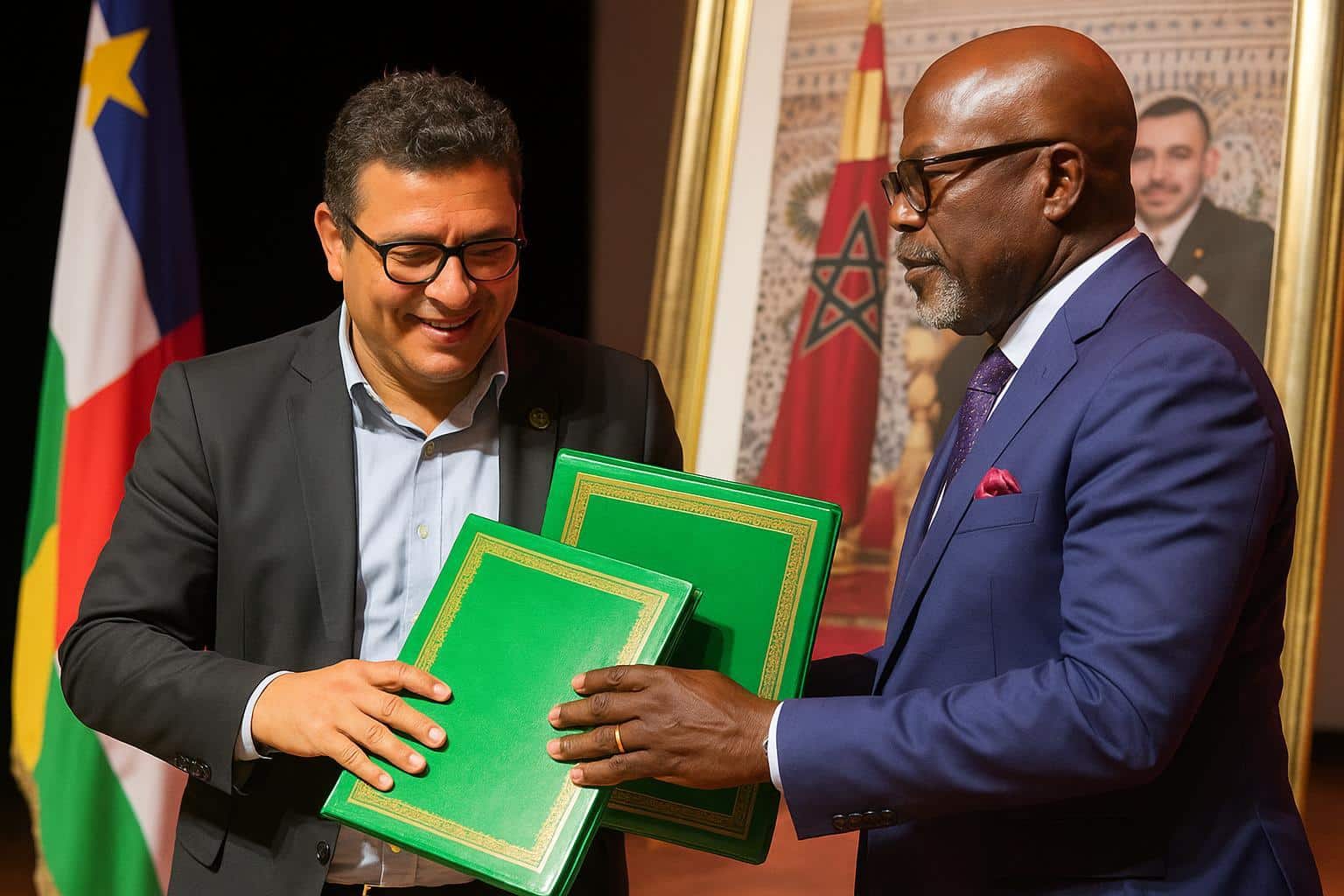
Organisers reported eighteen memoranda of understanding signed on the sidelines. Richard Filakota, Minister of Economy, said the USD 9 billion total “will translate into concrete works that our people can see and feel”, while stressing that additional resources will still be required.
Strategically Framed Ambitions of the 2024-28 Program
The five-year program seeks average real GDP expansion above 5 %, up from a 2.7 % estimate in 2023 (World Bank). It also sets out to lift domestic revenue to 15 % of GDP, broaden the electricity grid and rehabilitate at least 3,000 kilometres of roads.
Planners argue that improved infrastructure will lower the cost of doing business and unlock the country’s forestry, mining and agribusiness potential. A stronger fiscal base, they add, should reduce dependence on grants while creating space for social spending.
Multilateral Lenders Reinforce Confidence
The World Bank confirmed USD 600 million in fresh IDA resources and technical assistance, subject to project appraisal. Substitute executive director Marlène Nzengue said the envelope would back “the right initiatives that transform lives”, notably in power, health and governance.
International Monetary Fund representative Fatou Assah praised the broad turnout of roughly 400 participants and estimated overall commitments between USD 7 billion and USD 10 billion. The IMF is already supporting Bangui through an Extended Credit Facility worth USD 191 million approved in 2021.
Development finance institutions from the African Development Bank to the Islamic Development Bank also sent teams, signalling a willingness to blend concessional loans, guarantees and equity in partnership with commercial banks.
Energy Access Targets a Fivefold Rise
Only 8 % of households were connected to the grid in 2022. Energy minister Arthur Piri disclosed a memorandum with a US firm to develop more than 500 MW of generation capacity, a move expected to lift access toward 25 % by 2028.
The pipeline mixes solar parks around Bangui, micro-hydro schemes in the southeast and a regional interconnector to Cameroon, diversifying a matrix that currently relies on aging diesel sets vulnerable to fuel shortages.
Road Network and Trade Corridors in Focus
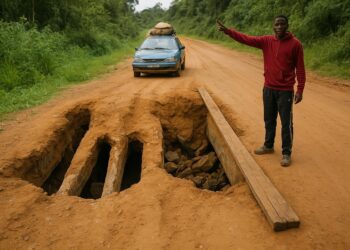
Transport costs can represent 70 % of the market price of basic goods in Bangui, according to the Chamber of Commerce. The government plans to asphalt key corridors linking Cameroon, Sudan and Congo, and to rehabilitate urban arteries to improve mobility.
Public works minister Éric Rokossé Kamot said a counterpart fund would be constituted from domestic revenue to unlock co-financing from donors and contractors, boosting local ownership and maintenance.
Private Sector and Diaspora Courted
Bangui used the forum to court African, European and Gulf investors as well as its own diaspora. Employers’ union head Gilbert Ngresenguet urged peers abroad “not to fear”, stressing that security has improved and that new commercial law reforms reduce red tape.
The authorities highlight investment opportunities in agro-processing, timber transformation, telecoms and affordable housing, sectors where blended finance structures could mitigate risk and catalyse job creation.
Sustainability and Forest Stewardship Highlighted
Roughly 35 % of Central African territory is covered by tropical forest, part of the Congo Basin carbon sink. Jean-Luc Tété of the Sustainable Agribusiness Society called for “massive investment” to prevent degradation and to monetise carbon credits under Article 6 mechanisms.
Environmental safeguards have been embedded in project selection, with independent monitoring planned to satisfy ESG-minded lenders and limit reputational risk.
Governance and Execution Remain Key Tests
While the funding headline is impressive, implementation capacity will decide success. Observers note the need for transparent procurement, timely audits and stronger project management units. Bangui insists that a joint steering committee with donors will track milestones every quarter.
A mid-term review is scheduled for 2026, and officials already flag that a further USD 3-5 billion could be required beyond 2028 to scale up gains. For investors, the forum offered a clearer pipeline and a narrative of gradual stabilisation.
If delivery matches ambition, the roundtable may indeed be remembered as the moment the Central African Republic turned external goodwill into tangible progress—and as a case study in how sustained engagement can rewrite a nation’s story.