


















AfDB Bolsters Sanitation Partnership in Brazzaville
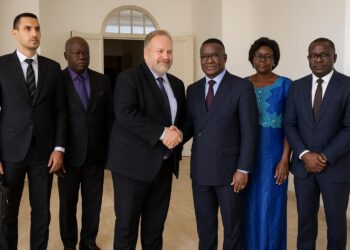
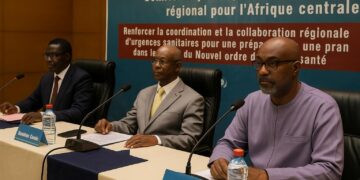
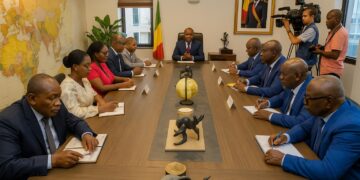
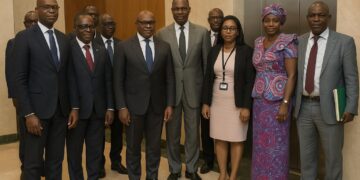
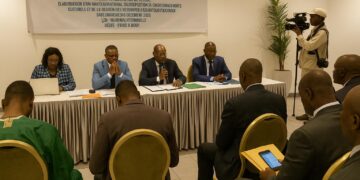
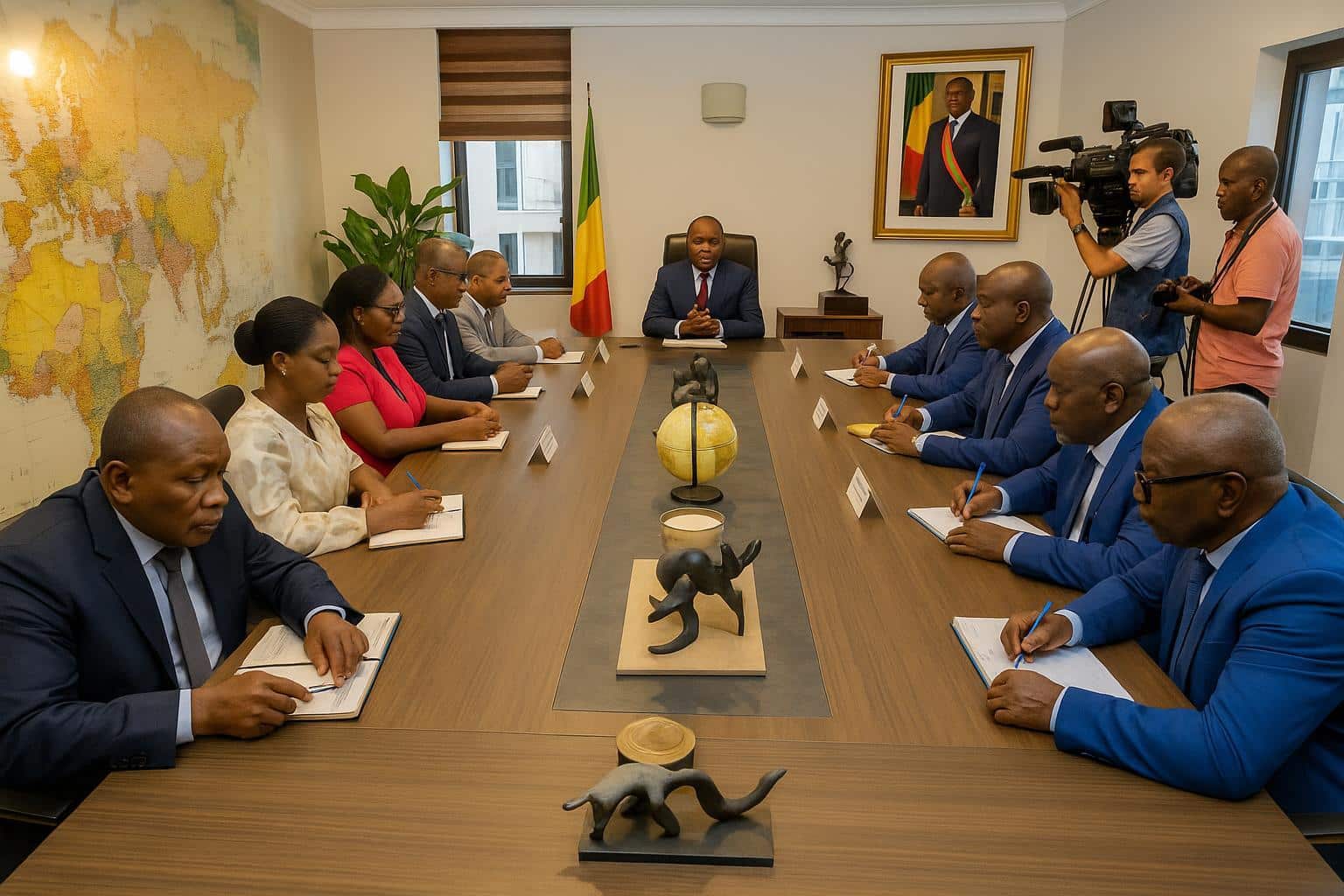
BRAZZAVILLE—During a 2 December working session in the capital, the African Development Bank’s regional deputy director general for Central Africa, Mohamed Chérif, reiterated the institution’s commitment to support Congo-Brazzaville’s sanitation agenda. The announcement reinforces existing collaboration with the Ministry of Urban Sanitation, Local Development and Road Maintenance.
Chérif, who also serves as AfDB country director for the neighbouring Democratic Republic of Congo, stressed that sanitation projects remain “extremely important for the population and for the country.” His remarks came after detailed discussions with Minister Juste Désiré Mondélé on the pace and scope of joint operations.
Project Portfolio Under Review
Both parties systematically reviewed priority segments falling under the ministerial portfolio, ranging from urban waste management to road drainage. AfDB representatives updated the government team on disbursement schedules, while national experts shared progress indicators collected since the launch of the first co-financed schemes earlier this year.
According to attendees, implementation timetables remain largely on track despite logistical constraints affecting regional supply chains. The dialogue therefore focused on securing rapid procurement approvals, so that equipment for landfill rehabilitation and street cleaning can arrive in neighbourhoods currently grappling with seasonal rains.
Priorities for Urban Cleanliness and Mobility
Minister Mondélé underscored the interconnection between sanitation and road maintenance, noting that clogged drains accelerate pavement deterioration. By aligning the two mandates within one ministry, the government seeks synergies that stretch limited fiscal space while delivering visible improvements in public health and urban mobility.
AfDB officials signalled readiness to expand financing envelopes that combine drainage infrastructure with routine road upkeep. Integrated packages, they argued, improve cost-benefit ratios and can be monitored through unified performance indicators, reducing administrative burdens on both the lender and the executing agency.
Accelerating Financing Procedures
Chérif revealed that certain funding requests awaiting internal clearance would be fast-tracked. He emphasised the bank’s flexibility in adjusting disbursement modalities to local realities, provided fiduciary standards remain intact. The approach aims to minimise the gap between board approval and deployment on the ground.
Observers at the meeting reported a shared intention to simplify procurement documentation and enhance digital tracking of invoices. By trimming administrative lags, authorities hope that street-level clean-up teams can scale operations before the next heavy-rain cycle compounds existing waste accumulation in densely populated districts.
Capacity Building and Institutional Efficiency
Beyond bricks and mortar, the minister requested targeted capacity-building initiatives for technical staff. Training modules under consideration cover project management, environmental safeguards and data analytics, reflecting the administration’s drive to entrench evidence-based decision-making across the sanitation value chain.
AfDB signalled it could mobilise regional knowledge hubs to supply trainers and toolkits. Such support complements on-the-job mentoring funded by the national budget, ensuring that new mechanical sweepers and waste-transfer stations are operated and maintained by teams versed in international best practice.
Potential Studies to Guide Policy
Mondélé outlined his ambition to commission diagnostic studies that map waste-generation patterns across Brazzaville and secondary cities. The findings would inform tariff structures, public-private partnership models and educational campaigns, widening the scope of collaboration beyond immediate infrastructure gaps.
Chérif welcomed the proposal, noting that evidence produced locally often accelerates board deliberations. He added that the bank “stands ready to support any study that sharpens project design and increases institutional effectiveness,” a statement greeted with approval by senior civil servants present.
Monitoring and Evaluation Framework
During the exchange, teams agreed to refine the monitoring matrix that accompanies each sanitation sub-project. Monthly scorecards will track collection volumes, landfill turnaround times and road-surface durability, allowing rapid course correction where indicators deviate from agreed benchmarks in the joint workplan.
AfDB will couple field audits with satellite imagery to verify results, an approach already piloted in comparable cities. Minister Mondélé welcomed the technology, noting it “ensures transparency and reinforces accountability,” sentiments that resonated with investors attentive to environmental, social and governance standards.
Stakeholder Reactions Signal Momentum
Participants left the session describing the atmosphere as constructive. For municipal authorities who manage daily waste collection, AfDB’s renewed backing offers a predictable financing horizon. Community groups, meanwhile, see faster implementation as a chance to expand recycling cooperatives already piloted in certain wards.
Private contractors specialising in road resurfacing also welcomed the prospect of bundled tenders that merge sanitation and maintenance. One local executive said the integrated model could “raise efficiency and create steady workflow,” sentiments consistent with the bank’s emphasis on scalable, multi-sector approaches.
Outlook for Investors and Development Partners
While the meeting generated no new headline figures, its procedural gains are significant for investors tracking Congo’s infrastructure pipeline. Clearer timelines, accelerated approvals and a focus on institutional strengthening reduce execution risk, an important metric for financiers considering co-lending or entry into performance-based contracts.
For development agencies, the session reaffirmed that Congo-Brazzaville remains aligned with regional sanitation goals championed by the African Union and the Economic Community of Central African States. Continued alignment with AfDB safeguards policy coherence and signals a stable framework for multi-year technical assistance.