


























Regional Statistics Upgrade Kicks Off in Congo
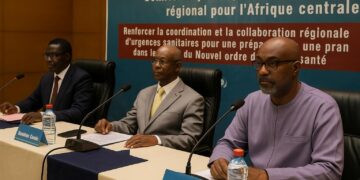
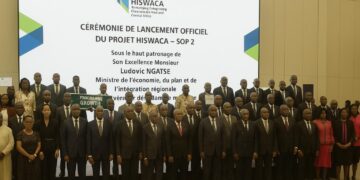
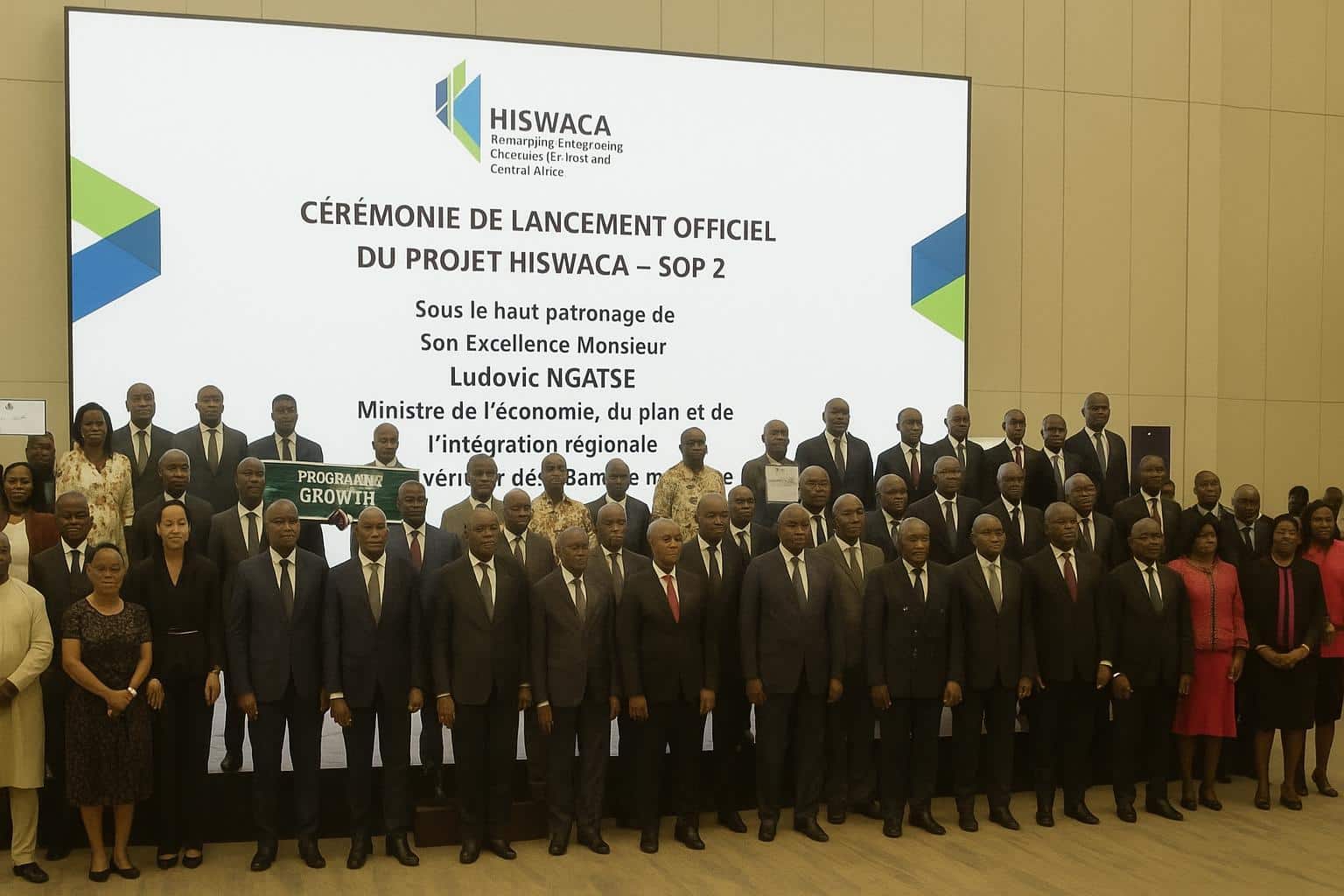
Brazzaville signalled a decisive turn toward data-driven public management on 9 December as Minister of Economy, Planning and Regional Integration Ludovic Ngatsé officially inaugurated the Harmonising and Improving Statistics in West and Central Africa project, better known by its acronym HISWACA.
Backed by a 60-million-dollar World Bank credit, the five-year programme promises to modernise Congo’s statistical architecture, from survey design to digital dissemination, positioning the country alongside its Economic Community of Central African States peers on the road to international best practice.
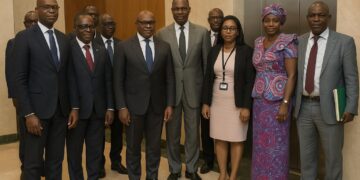
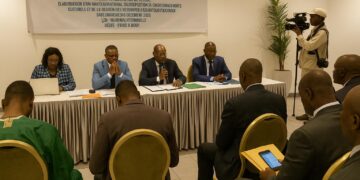
The launch ceremony gathered cabinet members, parliamentarians, National Institute of Statistics executives, civil-society leaders and private-sector analysts, signposting the wide consensus around the need for reliable figures to guide public spending, business plans and donor interventions.
Why Accurate Numbers Attract Capital
Investors routinely cite data gaps as a handicap in frontier markets; Congo-Brazzaville is no exception. Better national accounts, social indicators and price statistics can lower perceived risk, feed credit ratings and underpin the feasibility studies that financiers require before committing capital.
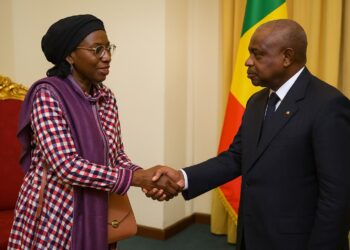
World Bank country manager Alexandra Célestin stressed that enhanced datasets would make it easier for the International Finance Corporation to enter projects and crowd in private co-investors, a point welcomed by local chambers of commerce eager to diversify away from oil dependence.
Inside the HISWACA Reform Agenda
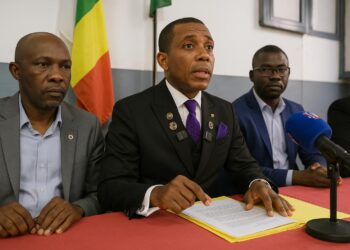
National coordinator Patrick Valery Alakoua outlined four priority pillars: adopting global statistical norms, expanding production in economic, social and demographic domains, upgrading physical and digital infrastructure, and scaling staff skills through targeted training and South-South exchanges.
The project also aims to sharpen data dissemination by creating a unified portal that allows ministries, researchers and citizens to download series in machine-readable formats. Officials say the platform will comply with open-data principles while protecting personal and commercial confidentiality.
Building on PSTAT Foundations
HISWACA is not starting from scratch. From 2017 to 2023 Brazzaville implemented the Statistical Capacity Building Project, known locally as PSTAT, which financed household surveys, rebased the consumer price index and delivered early training in geographic-information systems.
Minister Ngatsé framed the new programme as a “continuation of momentum”, declaring that Congo now stands “shoulder to shoulder with the region in a common drive for transparency and modernity”. His words drew applause from parliamentarians who have pressed for better budget monitoring.
Financing and Regional Benchmarking
The sixty-million-dollar envelope covers equipment procurement, technical assistance and partial salary support for statisticians, with disbursements tied to performance indicators agreed with the World Bank. Similar frameworks are in place in Ghana, Cameroon and Sierra Leone, allowing peer comparison on delivery.
Célestin noted that harmonised metadata and methodology will improve cross-country dashboards used by investors tracking Central African debt sustainability and consumer trends. For regional institutions such as BEAC, consistent baselines are critical for monetary policy calibration.
Digital Innovation Spotlight
A highlight of the ceremony was the award to a Brazzaville start-up that won the competition to design the HISWACA web portal. The government’s gesture signals an intention to nurture local tech talent and seed an ecosystem around data services.
Beyond the portal, project documents seen during the launch mention cloud-based storage, tablet-enabled fieldwork and satellite imagery integration for crop mapping, all areas where private suppliers can bid, offering potential revenue streams to companies in the digital and Earth-observation niches.
Link to the Next Development Plan
HISWACA’s timeline dovetails with preparation of the National Development Plan 2026-2031. Planners want a statistical baseline that captures demographic shifts, poverty dynamics and climate risks ahead of resource allocation debates scheduled for late 2025.
Accurate evidence is equally relevant for the forestry sector, where Congo is promoting sustainable timber and carbon-credit schemes across its stretch of the Congo Basin. Up-to-date land-use and emissions data are prerequisites for attracting green finance and meeting disclosure obligations in export markets.
Officials therefore view HISWACA not as a back-office exercise but as a catalyst for competitiveness. “Sound statistics are the bedrock of effective governance,” Ngatsé said, inviting development partners and domestic entrepreneurs to engage in the reform.
With the funding agreement signed and the steering committee sworn in, the next milestone is the adoption of a detailed work plan early next quarter. Deliverables include a business-register update and publication of a revamped statistical yearbook by year-end, milestones keenly awaited by market watchers.
Success will ultimately be judged by uptake. The minister announced that every ministry will be required to integrate HISWACA data into its annual performance reports, a move designed to ensure the numbers resonate beyond spreadsheets and inform tangible policy choices.