










New Plant Rewires Congo’s Gas Landscape
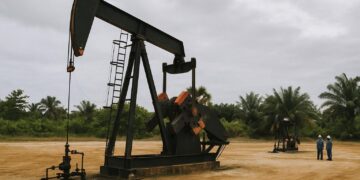
Wing Wah Petroleum has quietly marked a turning point in Congo-Brazzaville’s gas story by lighting the flare at its brand-new associated-gas plant in Tchiamba Nzassi, thirty-five kilometres outside the port city of Pointe-Noire.
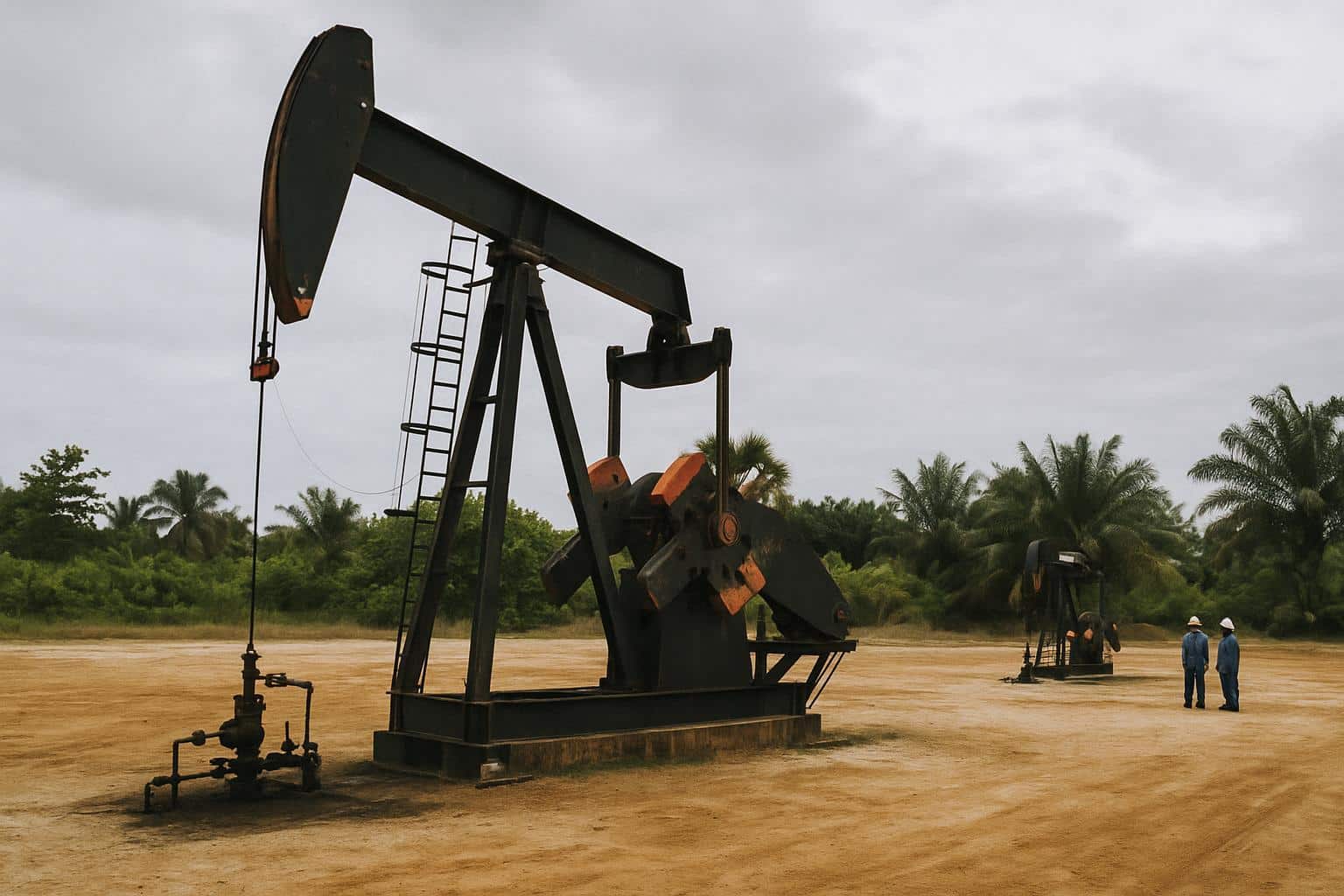
The unit, fed by onshore wells that already yield 57,000 barrels of oil per day, converts what was once flared gas into butane for the domestic market and condensates destined for export cargos.
Households Eye Relief on Butane Prices
Local consumers have been quick to translate the engineering breakthrough into cost expectations, hoping that cheaper cylinders will liberate household budgets strained by repeated price spikes in imported liquefied petroleum gas.
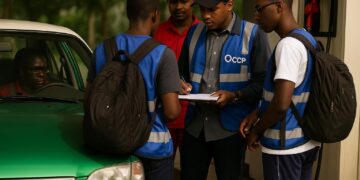
At a roadside refill point in Pointe-Noire, 35-year-old Adéline summed up the mood, noting that a twelve-kilogram bottle currently costs 10,600 CFA francs—more than fifteen euros—a level many informal workers struggle to meet.
Industrial Demand and Supply Balance
Wing Wah forecasts annual butane output of 150,000 tonnes, three times the country’s estimated consumption of 50,000 tonnes, leaving a cushion for population growth and the planned extension of city-gas networks.
From an industry standpoint, excess volumes can also underpin reliable feedstock for downstream users such as bakeries, brewers and small manufacturers that routinely complain about the volatility of electricity supply.
Environmental and Climate Considerations
Officials inside the Ministry of Hydrocarbons argue that gas penetration is not only an economic question but a public-policy instrument that supports President Denis Sassou Nguesso’s pledge to curtail deforestation across the Congo Basin.
Replacing charcoal stoves with cleaner flames could slow the rural outflow of timber and help conserve carbon sinks that underpin emerging forestry-credit schemes championed by Brazzaville in regional climate talks.
Jobs, Skills and Local Prosperity
Employment remains a visible headline benefit, with company representatives signalling that construction, operation and services around the complex will mobilise about 7,000 direct jobs, from welders and electricians to laboratory technicians and logistics drivers.
Higher spin-offs are expected in hospitality, transport and retail as contractors and their families settle near Tchiamba Nzassi, a district that until recently counted mainly fishing camps and smallholder farms.
From Flaring to Value Creation
The start-up also illustrates a strategic pivot: monetising gas that once flared into the sky aligns with Congo-Brazzaville’s ambition to diversify away from pure crude exports and capture more value along the hydrocarbon chain.
Sector analysts note that increased liquids recovery could feed a future petrochemical hub, while stable gas flows make it easier for lenders to structure long-dated facilities anchored on predictable cash streams.
Policy Framework and Financing Signals
Infrastructure around the plant illustrates a coordinated public-private model: the newly asphalted access road was delivered by the Ministry of Public Works, whereas electricity upgrades were financed through Wing Wah’s local content budget.
Officials clarify that the project operated under the revised Gas Code, which offers royalty incentives to investors converting flare gas into domestic energy and stipulates a minimum share for national engineering firms.
For capital markets, the ramp-up to 200,000 barrels of oil equivalent per day promised by Wing Wah provides a forward curve that can support future debt placements or a potential listing on the Central African stock exchange.
Domestic financial institutions equally view the gas stream as collateral for working-capital loans to distributors obliged to expand storage depots across secondary cities such as Dolisie, Nkayi and Owando.
Voices, Logistics and Regional Prospects
Didier Sylvestre Mavouenzela, president of the Pointe-Noire Chamber of Commerce, believes the timing is auspicious, arguing that lower energy inputs could revive manufacturing orders suppressed during the pandemic and cushion firms against regional supply-chain shocks.
Christian Hyppolite Pambou Tchinianga of the downstream directorate adds that competitive butane will also strengthen food-processing margins and enhance the attractiveness of special economic zones being developed around the coastal corridor.
Excess cargoes unabsorbed domestically are slated for neighbouring Gabon, Cameroon and the Democratic Republic of Congo, markets that already import LPG through traders in Luanda and Lagos; the shorter sailing distance from Pointe-Noire could carve out a freight advantage.
Government officials underline that export parity pricing will coexist with a social tariff for priority groups, balancing investor returns with household affordability in line with the Petroleum Revenue Management Law enacted in 2016 and recently updated for gas streams.
Yet energy advisers caution that real relief hinges on logistics: cylinders must be recertified, depots digitised and last-mile agents trained to minimise losses and ensure that lower wholesale prices cascade to the street.
The Hydrocarbons Regulatory Authority is therefore rolling out a quarterly audit schedule, coupled with a grievance line for consumers, a first in the sector’s history and a move welcomed by civil-society observers.
Wing Wah executives, for their part, signal readiness to deepen localisation by partnering with the national university on gas-processing curricula, a step they argue will anchor skills domestically and progressively reduce the footprint of expatriate technicians on the project.
Taken together, the plant signals a cautious yet concrete stride toward energy security, industrial resilience and environmental stewardship, themes that continue to anchor Congo-Brazzaville’s broader economic narrative in the eyes of investors and policymakers alike.