
















A new transparency era
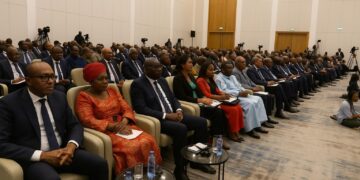
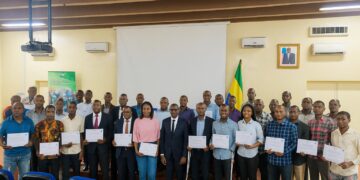
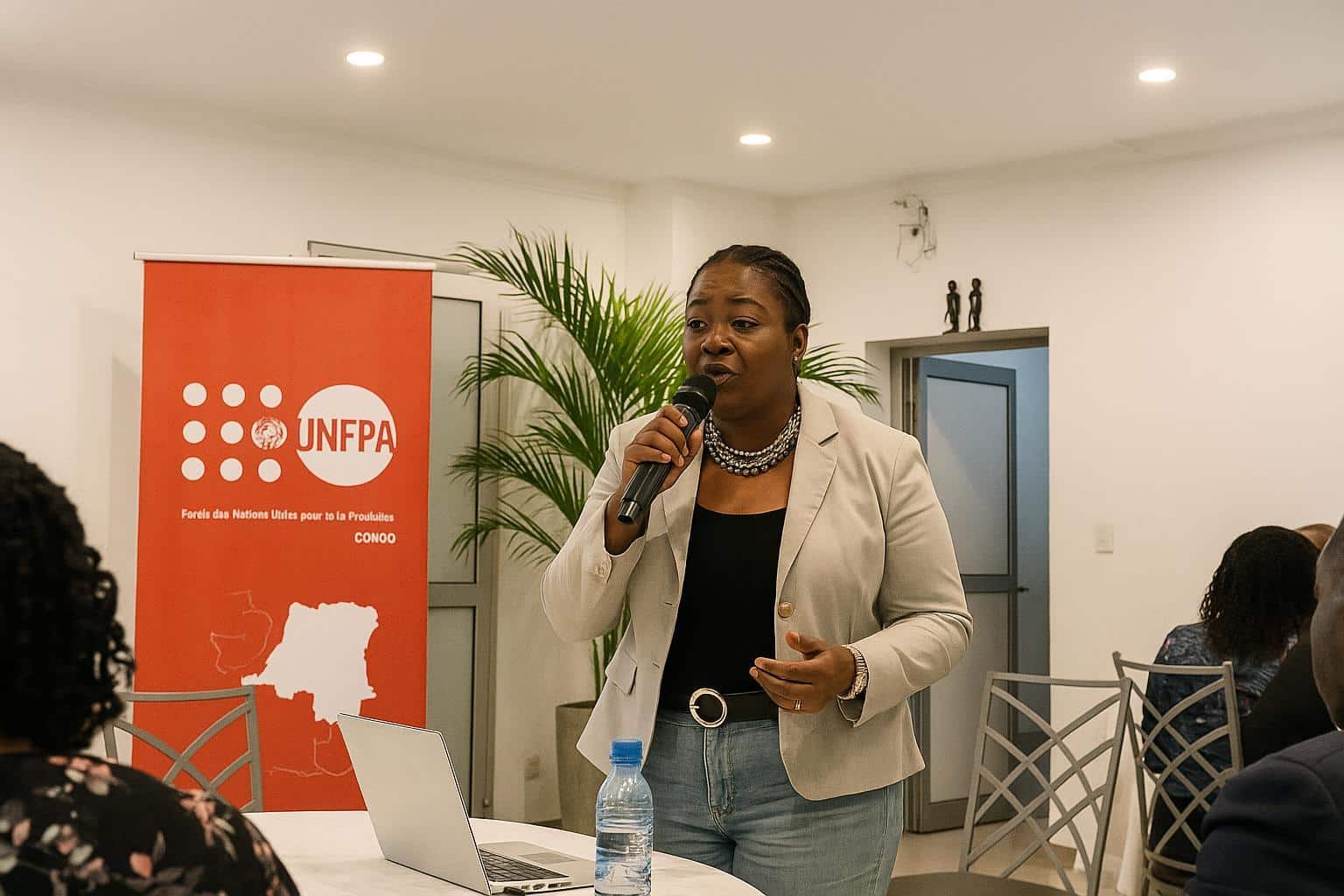
Investors watching Congo-Brazzaville’s development budget received a clear signal on 15-16 December, when the UN Population Fund, UNFPA, and the government convened a workshop in Brazzaville to drill partners on the Harmonised Approach to Cash Transfers, widely known as HACT.
By raising the bar on internal controls, the agency expects to accelerate disbursement while reducing fiduciary risk, a dual objective that aligns with President Denis Sassou Nguesso’s emphasis on accountable public finance and should reassure development financiers considering co-funding reproductive-health, youth and gender programmes across the republic.
HACT framework explained
HACT is a United Nations-wide methodology that shifts oversight from ex-ante project approvals to a continuum of risk assessment, capacity building and ex-post assurance (UNFPA, 2023 Guidelines). By standardising cash transfer rules, it allows agencies and governments to focus administrative energy on programme delivery rather than paperwork.
In Brazzaville, international operations chief Catia Dupreville reminded participants that the Annual Work Plan, or AWP, is the sole legal instrument for budgeting and disbursement. Every activity, cost line and expected output must surface in the AWP before UNFPA’s electronic system can release a single franc.
She added that a micro-assessment screens the partner’s accounting software, segregation of duties and human-resource policies, producing a risk profile. The process treats a district hospital, a civil-society network or a line ministry with the same yardstick, reinforcing the government’s push for fiduciary standards.
Risk-based funding mechanics
Risk scores dictate the cash-flow modality. Low-risk entities obtain advances, record expenses and submit quarterly financial reports that UNFPA reconciles against bank statements. Medium-risk partners blend advances with direct payments, while high-risk profiles trigger a voucher-by-voucher settlement, with UNFPA paying suppliers on behalf of the implementing agency.
This tiered approach, first endorsed by the UN Development Group in 2014, has cut transaction costs by up to 30 percent on comparable portfolios (UNDG, 2019 Review). For Congo, the efficiency gain matters: the 2024 budget earmarks 12.5 billion CFA francs for maternal-health interventions co-financed with donors.
The finance ministry’s delegate at the workshop welcomed the model, noting that prompt liquidation of donor funds could ease temporary cash-flow pressures in the treasury and, by extension, support macro-stability. Investors often interpret disciplined grant management as an indicator of wider commitment to fiscal reform.
Implications for Congo partnerships
UNFPA’s resident representative, Agnès Kayitankoré, stressed that Congo’s civil-society actors, from the Congolese Red Cross to youth collectives, remain eligible for support, provided they undergo the same scrutiny. The stance reflects the administration’s dialogue-oriented policy, which views non-state partners as accelerators of national development plans.
Under the new cycle, each AWP will map outputs to Congo’s 2022-2026 National Development Plan pillars, ensuring alignment with priorities such as adolescent health and demographic dividend. This thematic correspondence is expected to simplify co-financing negotiations with bilateral agencies and multilateral banks eyeing blended-finance structures.
Local micro, small and medium enterprises could also benefit. Once pre-qualified suppliers understand that invoices will be settled directly by UNFPA for high-risk partners, they may price tenders more aggressively, knowing payment delays are unlikely. Such dynamics can ripple through construction, logistics and pharmaceutical value chains.
Audit culture and capacity building
The workshop devoted a full session to audits. Internal auditors from UNFPA presented case studies where early detection of duplicate vouchers saved significant sums. External auditors, engaged under Côte d’Ivoire’s regional framework contract, outlined how on-site spot checks complement desktop reviews to create a layered assurance system.
Beyond policing, capacity building featured prominently. UNFPA committed to fund training in International Public Sector Accounting Standards for selected ministry accountants and to donate laptops pre-loaded with the open-source Kobo toolbox for field data capture. These investments, Dupreville argued, can gradually move partners from high-risk to moderate-risk tiers.
A finance lecturer from Marien Ngouabi University noted that robust financial stewardship can ripple into academic curricula, inspiring a new generation of auditors and project managers. He urged companies preparing environmental, social and governance disclosures to monitor HACT’s rollout, calling it a living laboratory for integrated reporting.
Next steps for 2025-2026 planning
The immediate output of the Brazzaville meeting is a draft Results Framework for 2025 that pairs outcome indicators with baseline data and earmarked budgets. Ministries have until mid-January to validate figures, after which UNFPA will lock the framework into its global Integrated Planning, Budgeting and Reporting portal.
Subsequent consultations will flesh out the 2026 work plans, with a view to synchronising them with the government’s medium-term expenditure framework now under preparation. Observers expect cross-walk tables that link HACT activity codes to national budget lines, an innovation that could enhance visibility for parliamentary oversight.
For international lenders weighing sovereign bond issues or project finance in Congo-Brazzaville, the message is straightforward: disciplined management of even modest grant funds can signal broader reliability. As Kayitankoré summed up, transparent procedures are not bureaucracy for its own sake, but ‘an investment in collective credibility’.