




























2026 Budget Marks Strategic Recalibration
The Central Purchasing Unit for Essential Medicines and Health Products, better known by its French acronym Cameps, has approved a 2026 operating budget of 9 989 942 015 CFA francs, setting both revenue and expenditure caps. The decision, reached in Brazzaville on 21 December, marks a calibrated retrenchment.
Compared with the 2025 envelope, the figure represents an 8 percent decrease, a signal that management is aligning financial forecasts with a more disciplined cash-flow scenario amid evolving supply-chain costs and public-health priorities.
Five-Year Strategy Sharpens Focus
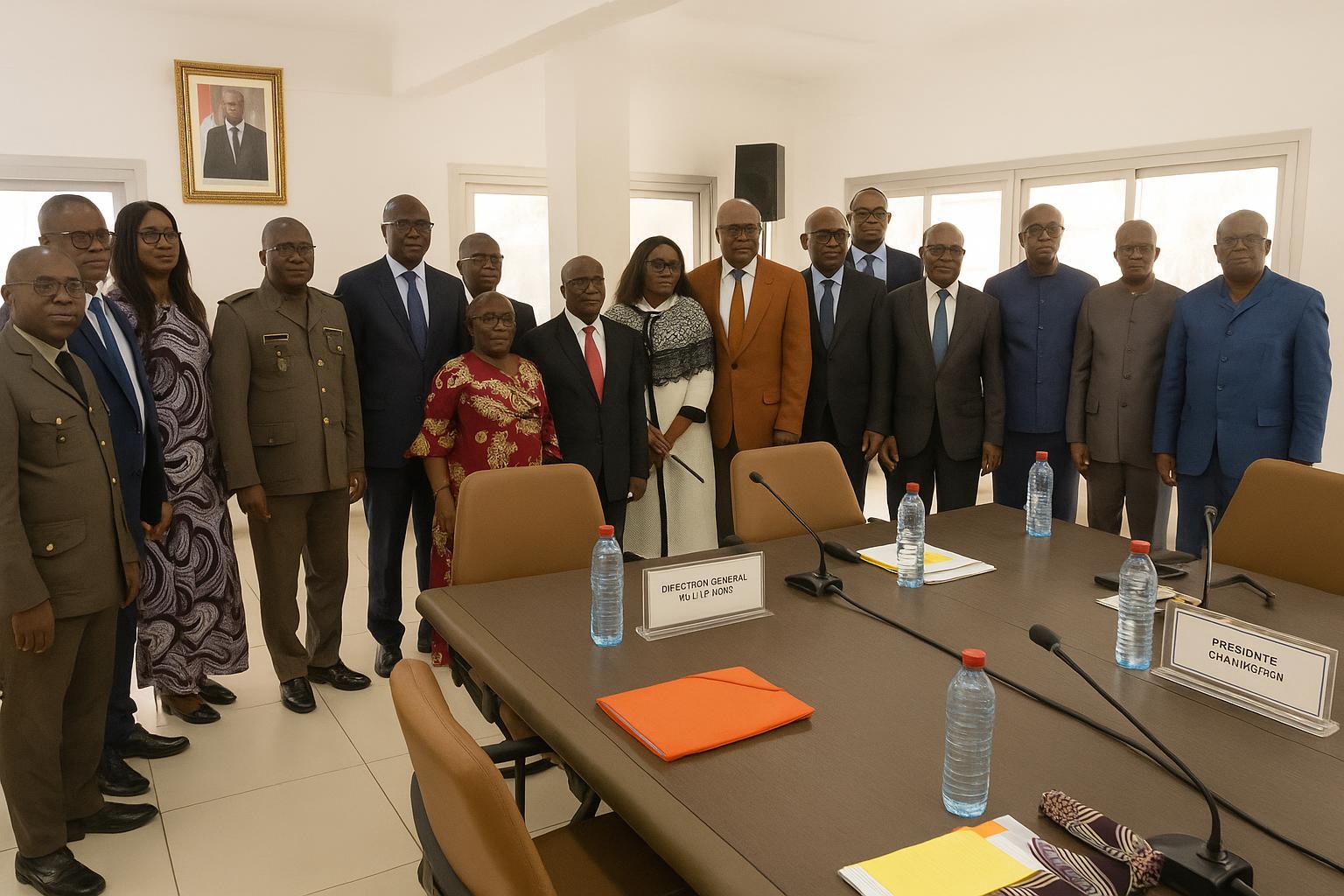
During the same board meeting, chaired by Professor Ange Antoine Abéna, administrators unanimously endorsed the organisation’s 2026-2030 strategic plan, framing a five-year vision that places availability, affordability and quality of medicines at the core of national health-sector resilience.
The roadmap emphasises resource optimisation, performance monitoring and gradual digitalisation of procurement processes, all designed to shorten lead times and cut wastage in the public supply channel.
New Warehouse and Coastal Hub Planned
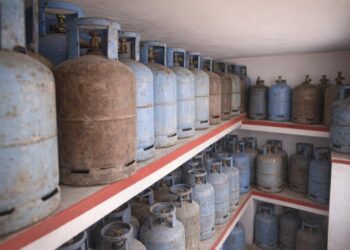
Two headline capital projects shape the investment chapter of the plan: a purpose-built warehouse in Edou, Cuvette Department, and a logistics hub in the coastal city of Pointe-Noire.
Executives, led by Director-General Dr Max Maxime Makoumba-Nzambi, argue the additional storage will double national buffer stocks, cushion seasonal demand spikes and lower delivery times to remote districts once the multimodal hub becomes operational.
Procedures Manual and Audit Reinforce Governance
Sound governance underpins the financial architecture. Board members reviewed an external analysis of existing procedures before appointing a statutory auditor for the 2025-2031 mandate, thereby reinforcing independent oversight of inventory valuation, cash management and compliance with the Public Procurement Code.
Concurrently, a new administrative, financial, technical and accounting procedures manual has been adopted, offering staff a harmonised rulebook aimed at curbing leakages and accelerating approval cycles for urgent orders.
Board Backs National Health Vision
At the close of deliberations, the board conveyed a motion of congratulations to President Denis Sassou Nguesso, crediting his administration with sustained commitment to universal access to essential medicines, a cornerstone of the national development programme.
Professor Abéna reminded management that meticulous execution, rather than headline amounts, will ultimately define the institution’s impact, urging departmental heads to transform each line of the budget into measurable service-level improvements.
Analysts View Financial Realism
Fiscal observers view the 8 percent contraction as realism, given exchange-rate volatility and shipping-cost normalisation after the pandemic peak.
With expenses and revenues booked symmetrically, the balance sends a conservative message to lenders while retaining room for capital outlays, notably the multi-phase Edou warehouse build smoothing cash calls.
Supply Chain Efficiency and Stakeholder Benefits
On the operational front, Cameps projects that improved stock rotation will limit expiry-related losses, a metric that topped five percent of inventory value in prior exercises, according to internal dashboards discussed during the session.
Linking Brazzaville, Edou and Pointe-Noire through a fixed distribution calendar is expected to cut delivery windows from fifteen to nine days once both facilities are commissioned, delivering a clear dividend for remote health centres.
For suppliers, the strategic plan signals predictable tenders and faster invoice settlement, potentially lowering risk premia that have historically inflated procurement costs.
International partners focused on sustainable development goals may also find clearer entry points for technical support, as the new governance toolkit aligns Cameps with global best practices in transparency and traceability.
Looking further ahead, the 2026-2030 strategy envisages piloting solar-powered cold rooms to stabilise vaccine storage in off-grid districts, a concept study that, if validated, could qualify for climate-finance instruments under regional green-health initiatives.
For the wider economy, timely medicine supply underpins productivity by reducing absenteeism linked to preventable diseases, a reminder that the 10-billion-franc budget, though technical in appearance, carries macroeconomic significance.
Revenue Mix and Spending Priorities
Historically, Cameps handled roughly 80 percent of the country’s public-sector pharmaceutical purchases, positioning the agency as a pivotal actor for donors seeking economies of scale. The 2026 budget therefore serves as a proxy indicator of nationwide medicine availability trends.
Financial analysts highlight that almost two-thirds of the allocation is earmarked for antimalarials, antiretrovirals and vaccines, mirroring epidemiological priorities set out by the Ministry of Health’s current five-year plan.
In the revenue column, sales to public hospitals constitute the principal inflow, supplemented by modest margins on bulk purchases negotiated with regional manufacturers. The board confirmed that no across-the-board price increases are contemplated for 2026.
While external grants contributed significantly during the pandemic, the 2026 framework favours domestic self-reliance, a stance seen as fiscally prudent yet still open to ring-fenced donations earmarked for specialised therapies.
Financial Metrics and Future Funding Tools
Market watchers will also scrutinise Cameps’ cash-conversion cycle, historically averaging 120 days between supplier payment and hospital reimbursement. Management targets 90 days in 2026, hoping the gap will free working capital for faster replenishment orders.
Success on that front would reinforce Cameps’ credit profile with commercial banks and could pave the way for innovative instruments such as supply-chain finance lines pegged to performance metrics embedded in the new procedures manual.