



















Speaker Mvouba Closes 15th Legislature Budget Session
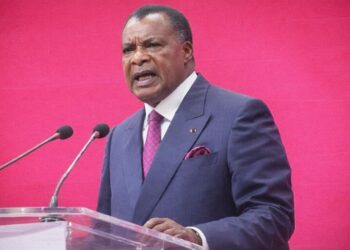
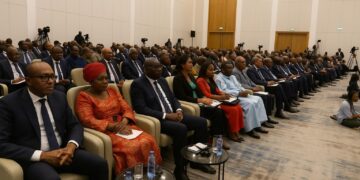
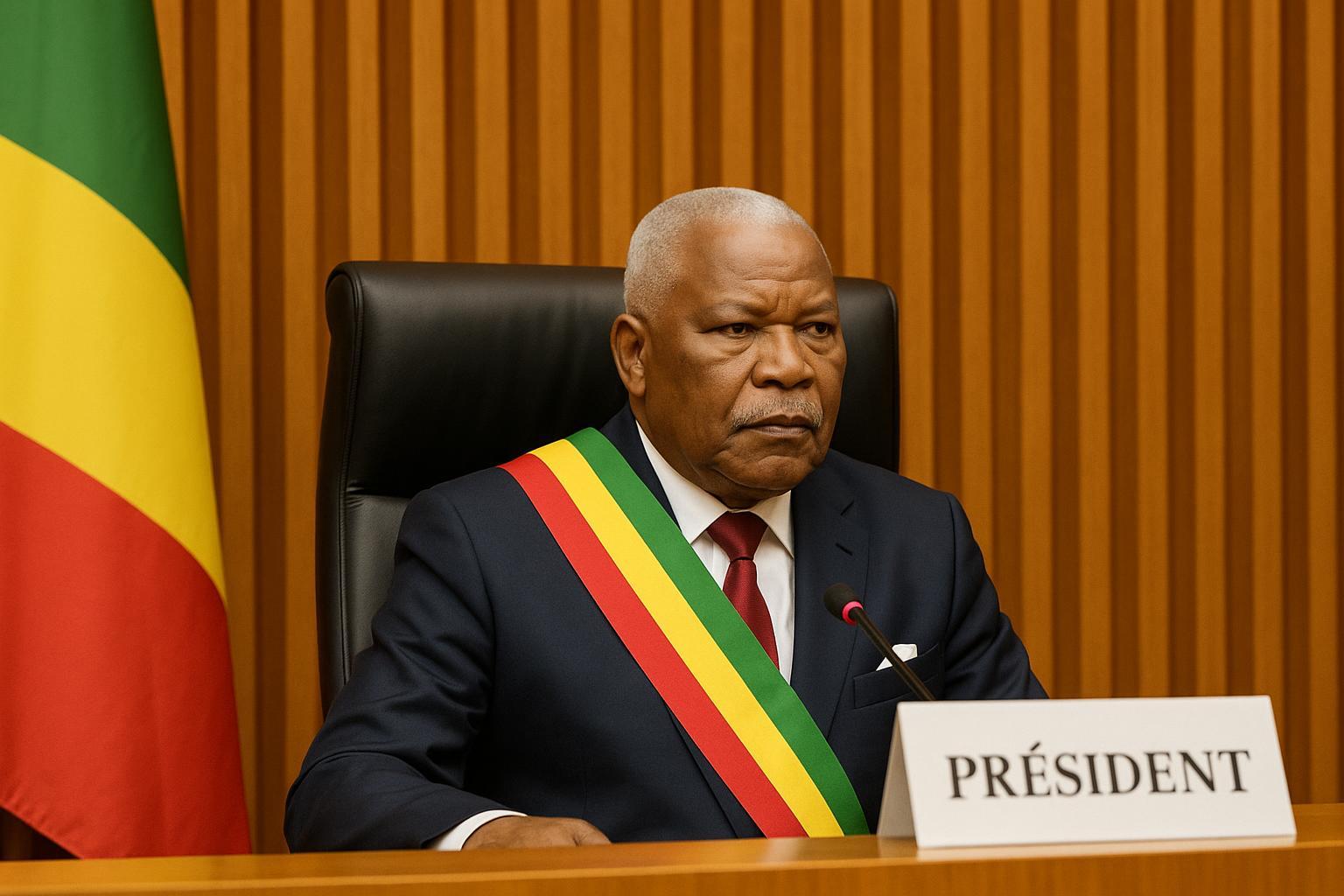
Inside the marbled chamber of Brazzaville’s Palais du Parlement, National Assembly Speaker Isidore Mvouba on 23 December 2025 brought the tenth ordinary budget session of the fifteenth legislature to a formal close.
The ceremony, steeped in parliamentary protocol, set the stage for a forward-looking message that linked fiscal policy, social priorities and the country’s next presidential election, expected in March 2026 under the constitution.
2026 Presidential Vote as Democratic Test
Calling 2026 a “pivotal rendez-vous between the Nation and its destiny”, Mvouba argued that the ballot will allow citizens to reaffirm their commitment to peace, unity and shared progress, thereby confirming what he termed the Republic of Congo’s democratic maturity.
He stressed that the administration’s capacity to organise transparent, peaceful and credible elections would be scrutinised domestically and abroad, framing the exercise as both a civic right and a diplomatic showcase for investors and partners.
Echoing poet Aimé Césaire’s exhortation to give “our tomorrows the colour of our hopes”, the Speaker invited parties, civil society and media to safeguard national cohesion, reminding the audience that peace is a daily construction rather than a permanently secured asset.
Finance Bill 2026: Investing for Impact
Parliamentarians approved the Finance Bill for 2026 during the same session, closing the 2021-2026 quinquennium and laying groundwork for subsequent programmes.
Mvouba characterised the budget as a “courageous political act” that channels resources toward sectors deemed most transformative for citizens’ daily lives, notably water supply, electricity, health, education and the ongoing digitalisation of public administration.
The emphasis on diversification responds to lessons drawn from global commodity cycles: broadening the national revenue base is seen as vital for resilience, especially as hydrocarbon receipts still underpin a large share of public finances.
Although detailed line items were not disclosed during the closing speech, deputies signalled a preference for capital expenditure over recurrent costs, a stance consistent with the government’s commitment to the National Development Plan and the African Union’s Agenda 2063.
Analysts in Brazzaville’s financial community caution that translating budgetary intent into tangible projects will require disciplined procurement and swift disbursement procedures, areas that in the past have suffered from administrative bottlenecks and delayed counterpart financing.
The Ministry of Economy is expected to publish quarterly execution reports, a practice introduced in 2024, to bolster confidence among bondholders and multilaterals tracking debt sustainability benchmarks.
Fiscal watchers will look closely at non-oil revenue performance, especially customs and telecom levies, given the volatility in Brent prices that characterised the previous budget cycle.
Meanwhile, entrepreneurs operating in agribusiness and forestry expect that the 2026 budget’s emphasis on value addition will manifest in targeted incentives, including simplified export procedures and concessional credit lines routed through local commercial banks.
Peace and Cohesion as Guiding Principles
Throughout his address, the Speaker returned to the theme of unity, deploying moral suasion rather than partisan rhetoric and inviting each institution to play what he called its ‘constitutional partition’ in preserving stability.
The insistence on cohesion aligns with Brazzaville’s diplomatic narrative, which frames the Republic of Congo as an anchor of balance in Central Africa, a stance that reassures credit-rating agencies and multilateral lenders.
Investors listening to the parliamentary feed noted that political stability remains a key variable in project risk matrices, particularly for energy, telecom and infrastructure concessions slated for tendering in the coming fiscal year.
For small and medium-sized enterprises, the Speaker’s call for ‘peace of heart and tranquillity of mind’ translated into expectations of predictable policy signals, timely payments on public contracts and streamlined administrative procedures.
Outlook for Stakeholders Ahead of March 2026
With the electoral calendar entering its homestretch, parties are expected to refine platforms that reconcile macro-fiscal prudence with social demand, a balance underscored by Mvouba’s reference to progress that is both inclusive and shared.
Civil society organisations monitoring governance metrics predict heightened attention to voter roll updates, decentralised tallying and real-time reporting, areas in which the Assembly could exercise oversight through dedicated committees.
Diplomatic partners have, in previous cycles, provided logistical support such as polling material and observer missions; Mvouba’s remarks may invite early coordination to ensure timely deployment and avert last-minute pressures.
Closing his speech with the wish that 2026 finds Congo ‘standing, united and confident’, the Speaker projected an image of continuity that resonates with the administration’s broader message to investors: political transition can proceed without jeopardising stability or reform momentum.
Digital-economy start-ups welcomed the pledge to advance e-government platforms, arguing that open APIs and interoperable payment systems could reduce transaction costs and stimulate private innovation, particularly in mobile money and logistics tracking.
To sustain the momentum, parliament plans thematic hearings in early 2026, allowing sector regulators and business associations to present progress metrics and flag any regulatory gaps before the campaign season reaches its peak.