

















• About us
  • Advertising
  • Careers
  • Contact
Congo-Brazzaville
Thursday, January 15, 2026
No Result
View All Result
CONTRIBUTE
Congo Investor
  • Home
  • World

    Italy’s €236m Health Deal Upgrades Congo Hospitals

    Congo–China Paintings Reveal a New Soft-Power Push

    Morocco’s AFCON 2025 earns FIFA praise in Rabat

    Inside Morocco’s Royal Craft School in Fez

  • Politics

    3,719 Congo Passports Ready—Yet Still Unclaimed

    Mindouli Tension Sparks Flight on Congo Key Highway

    UN Agencies Back CNTR to Boost Congo Transparency

    Congo’s 2021-2026 Plan Explained on TV: Key Takeaways

  • Companies

    Congo Fintech Boost: Bantulab’s €1m Incubator

    UBA POS at Étoile de Brazza: a new cashless boost

    SNPC Sends Elite Students to Oil School in Baku

    Brazzaville Christmas Market Hits 17m CFA

  • Tech

    Congo’s AI Rules Push: What Investors Should Watch

    Congo Unveils One-Stop Digital Start-Up Portal

    Super-App GoChap Debuts in Brazzaville Market

    Congo’s Innovators Stalled by Costly Patent Fees

  • Markets

    Congo Butane Gas Prices: Authorities Step In

    Brazzaville to Host Major Francophone Business Forum

    Congo crude prices: why Q4 2025 stayed competitive

    Congo, DR Congo Unite to Digitise Insurance

  • Climate

    Congo’s Bacassi Project: Carbon, Farms, Jobs

    Congo Climate Negotiators: Skills That Pay Off

    Congo Climbs to PAFCA Co-Chair, Investors Watch

    Safoutier Leads Congo Plant Fair, Green Market Buzz

  • Society & Arts

    Lamuka’s Rise: Women with Disabilities Lead Change

    Why Mike Tyson’s Kinshasa Pilgrimage Resonates

    VOQUART Ignites Brazzaville’s Peripheral Revival

    Brazzaville’s Taxi Bomoyi: Drivers Taking on Diabetes

  • Work & Careers

    SNPC Scholarships: 4 Top Graduates Head Abroad

    Brazzaville Climate Bootcamp Sparks Green Careers

    Brazzaville’s PSIPJ: 45,000 Youth Target by 2026

    Detail Management: Congo’s New Guide for Leaders

  • Home
  • World

    Italy’s €236m Health Deal Upgrades Congo Hospitals

    Congo–China Paintings Reveal a New Soft-Power Push

    Morocco’s AFCON 2025 earns FIFA praise in Rabat

    Inside Morocco’s Royal Craft School in Fez

  • Politics

    3,719 Congo Passports Ready—Yet Still Unclaimed

    Mindouli Tension Sparks Flight on Congo Key Highway

    UN Agencies Back CNTR to Boost Congo Transparency

    Congo’s 2021-2026 Plan Explained on TV: Key Takeaways

  • Companies

    Congo Fintech Boost: Bantulab’s €1m Incubator

    UBA POS at Étoile de Brazza: a new cashless boost

    SNPC Sends Elite Students to Oil School in Baku

    Brazzaville Christmas Market Hits 17m CFA

  • Tech

    Congo’s AI Rules Push: What Investors Should Watch

    Congo Unveils One-Stop Digital Start-Up Portal

    Super-App GoChap Debuts in Brazzaville Market

    Congo’s Innovators Stalled by Costly Patent Fees

  • Markets

    Congo Butane Gas Prices: Authorities Step In

    Brazzaville to Host Major Francophone Business Forum

    Congo crude prices: why Q4 2025 stayed competitive

    Congo, DR Congo Unite to Digitise Insurance

  • Climate

    Congo’s Bacassi Project: Carbon, Farms, Jobs

    Congo Climate Negotiators: Skills That Pay Off

    Congo Climbs to PAFCA Co-Chair, Investors Watch

    Safoutier Leads Congo Plant Fair, Green Market Buzz

  • Society & Arts

    Lamuka’s Rise: Women with Disabilities Lead Change

    Why Mike Tyson’s Kinshasa Pilgrimage Resonates

    VOQUART Ignites Brazzaville’s Peripheral Revival

    Brazzaville’s Taxi Bomoyi: Drivers Taking on Diabetes

  • Work & Careers

    SNPC Scholarships: 4 Top Graduates Head Abroad

    Brazzaville Climate Bootcamp Sparks Green Careers

    Brazzaville’s PSIPJ: 45,000 Youth Target by 2026

    Detail Management: Congo’s New Guide for Leaders

No Result
View All Result
Congo Investor
No Result
View All Result
Home Work & Careers

Brazzaville’s PSIPJ: 45,000 Youth Target by 2026

by Emmanuel Kazadi
December 29, 2025
in Work & Careers
Reading Time: 3 mins read

Steering committee sets ambitious 2026 roadmap

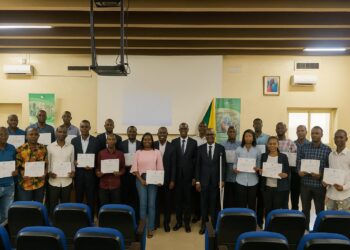
Brazzaville’s high-level steering committee for the Social Protection and Productive Inclusion of Youth Project, PSIPJ, closed its third regular session on 26 December with one message: scale up. Backed by World Bank financing, the programme now pledges direct support to 45,000 young Congolese by 2026.

With youth unemployment hovering in double digits, the initiative—formerly branded Lisungi—adds a labour-market layer to Congo-Brazzaville’s social safety net. Its dual mandate blends short-cycle technical training with seed capital for micro-ventures, an approach World Bank evaluations class as “productive inclusion” rather than classic cash transfer.

44 bn CFA work plan and funding mix

The 2026 work plan and budget, adopted during the session, schedules 58 activities for a cumulative 44.12 billion CFA francs, roughly 71 million dollars at prevailing rates. Disbursement remains performance-based, aligning tranche releases with verified milestones to limit the fiscal burden on domestic coffers.

World Bank concessional credit supplies the bulk of financing, with a counterpart allocation flowing through the Ministry of Economy, Plan and Regional Integration. Officials stress that no sovereign guarantees beyond the existing portfolio have been requested, preserving debt ratios well below CEMAC convergence thresholds.

Entrepreneurship and vocational training targets

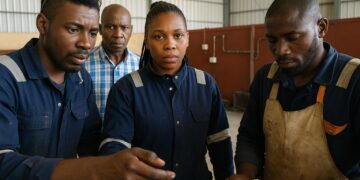
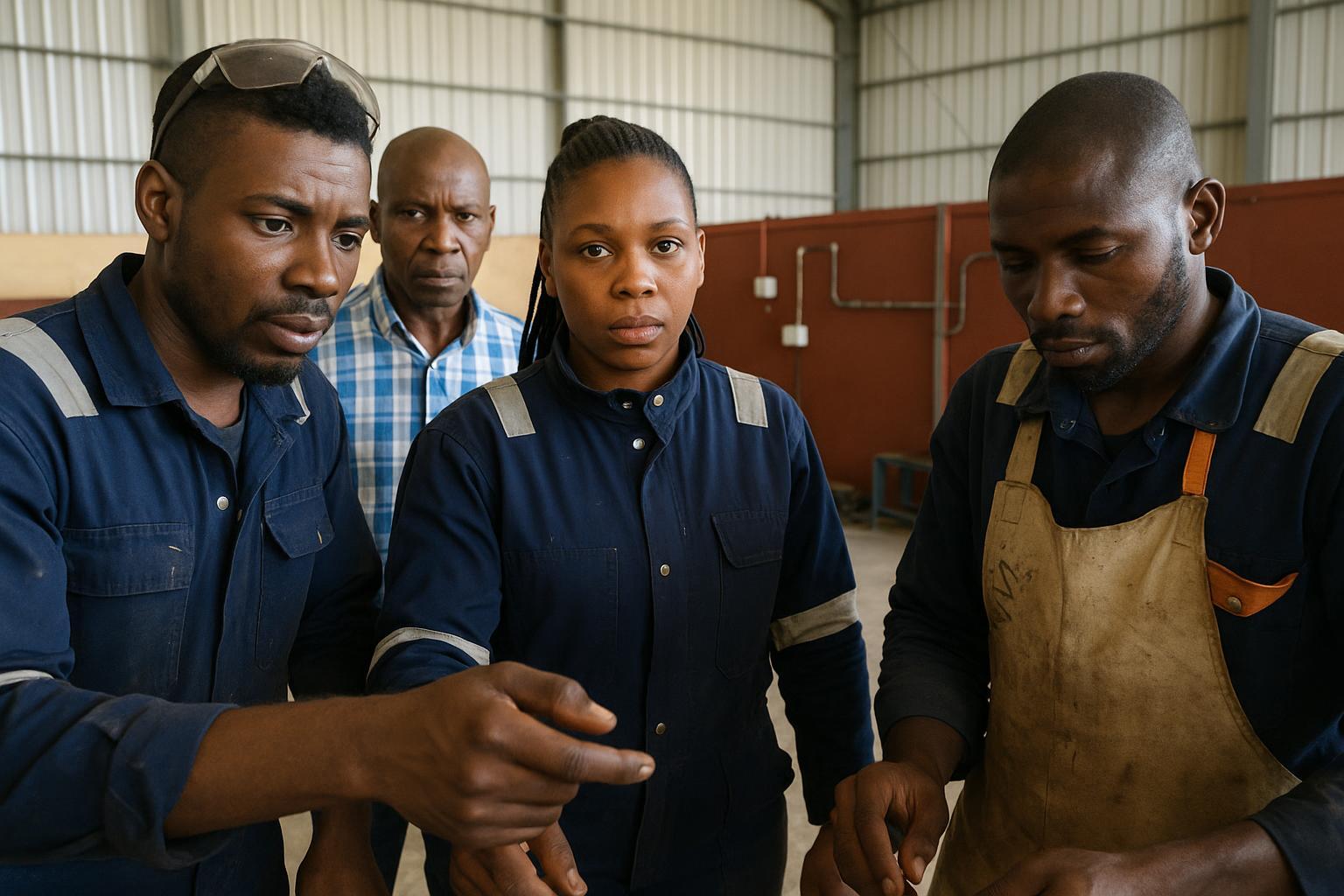
Numerically, PSIPJ will channel grants and coaching toward 40,000 aspiring self-employed youth, while 5,000 others enrol in vocational modules covering trade skills such as welding, agri-processing, hospitality and coding. Inclusion criteria prioritise households already registered as vulnerable through the evolving national social registry.

Digital social registry still under construction

That registry, a cloud-based demographic and poverty database, remains under construction. Integrating legacy Lisungi files, census rolls and community validations is proving slower than forecast. Steering-committee minutes show less than 60 percent of provinces fully onboarded, limiting the programme’s ability to target benefits rigorously.

Procurement and logistical hurdles

Procurement bottlenecks equally weigh. Contracts for training providers and business-coaching agencies were retendered after initial bids failed compliance tests, pushing field deployment into the second half of 2025. The Ministry now operates on a compressed calendar to shortlist firms before the next academic intake.

Logistics add another layer. Import permits for toolkits, laptops and didactic materials require coordination among customs, finance and sector ministries. Delays have translated into staggered delivery windows, with some rural workshops still sharing equipment sets originally budgeted for ten trainees each.

Participants also flag intermittent payment of transport and nutrition stipends. Mobile-money disbursements, intended to reach phones within forty-eight hours of attendance validation, sometimes stretch to one week. “Cash flow gaps inside the escrow account explain part of the lag,” a project accountant observed.

Government and lender perspectives

Opening the session, Sylvain Lekaka, chief of staff to the Minister of Economy, described the plan as “strategic for social cohesion and human-capital competitiveness”. He urged line agencies “to close operational gaps so that every franc translates into a job-creating opportunity”.

World Bank liaison officers, connecting via video link from Yaoundé, reiterated that the project aligns with the institution’s new Country Partnership Framework prioritising digital identification, female economic empowerment and climate-smart livelihoods. Continued disbursement, they noted, will hinge on timely procurement and data-quality audits.

Private sector engagement opportunities

Private operators see room to engage. Telecom firms compete to host the mobile-payment rails, while agri-equipment suppliers position packages tailored for subsidised youth clusters. Consultancy houses specialising in impact measurement have equally expressed interest in conducting the independent tracer studies required by donors.

Operational risks and gender balance

Yet risk factors persist. Extension to 45,000 beneficiaries will strain supervisory capacity if coach-to-youth ratios remain unchanged. External evaluators recommend digital dashboards with geotagged attendance to curb ghost trainees, a measure that hinges on stable electricity in peri-urban centres and partner schools.

Gender balance deserves scrutiny, experts add. While programme design targets a minimum 50 percent female enrolment, cultural norms in certain departments affect uptake. Field facilitators are piloting evening training slots and childcare support to make participation more accessible for young mothers.

Alignment with national development priorities

PSIPJ dovetails with Congo’s National Development Plan 2022-2026, which lists human capital as a top pillar alongside infrastructure and diversification. By tying cash transfers to skills acquisition, authorities aim to shift public discourse from welfare dependence toward a productivity-centred narrative that reassures investors.

Monitoring indicators and timeline

Key performance indicators for 2026 include start-up survival after twelve months, earnings differentials versus control groups, and digital-registry coverage. Data collection will rely on household surveys and administrative feeds. Results are scheduled for publication every quarter on a public dashboard.

If the identified bottlenecks are resolved within the first semester of 2026, officials project that the programme could reach full capacity by September. Such timing would allow two training cohorts before year-end, setting the stage for a comprehensive impact review early 2027.

Investment takeaway

For now, the takeaway is clear: PSIPJ remains a flagship platform where development finance, technology and public policy intersect. Investors able to supply training, equipment or monitoring solutions will find a structured demand—and a government keen to showcase measurable progress on youth employment.

Tags: Congo Brazzaville footballPSIPJSylvain LékakaWorld BankYouth Employment
Previous Post

Congo Boosts Pool SMEs with CFA50m Microcredit

Next Post

Congo OKs Record Private University Licences

Related Posts

SNPC Scholarships: 4 Top Graduates Head Abroad

by Emmanuel Kazadi
January 6, 2026

SNPC international scholarships for Congo’s hydrocarbons In Brazzaville on January 5, SNPC Director General Maixent Raoul Ominga met four newly...

Brazzaville Climate Bootcamp Sparks Green Careers

by Emmanuel Kazadi
December 30, 2025

Brazzaville Workshop Signals Rising Climate Talent In late December, fifty Congolese students, environmental reporters and youth activists gathered in Brazzaville...

Detail Management: Congo’s New Guide for Leaders

by Emmanuel Kazadi
December 27, 2025

Press launch signals detail revolution The press lunch held at Brazzaville’s ESGAE campus on 26 December was not a usual...

Blooming Futures: 54 Youth Earn Floral Skills

by Emmanuel Kazadi
December 18, 2025

Youth gain certification in floral decoration On 13 December in Bacongo, Brazzaville, fifty-four young Congolese received certificates in floral decoration,...

Congo Fast-Tracks Modern Labour Code Overhaul

by Emmanuel Kazadi
December 13, 2025

Brazzaville session signals decisive momentum On 12 December 2025, the National Consultative Labour Commission convened under the chair of Minister...

US Access Scholarship Transforms Pointe-Noire Teens

by Emmanuel Kazadi
December 13, 2025

US Access Program lands in Pointe-Noire At the coastal heart of Congo's economic capital, 25 tenth-graders from three public high...

Load More
Next Post

Congo OKs Record Private University Licences

Popular News

  • 3,719 Congo Passports Ready—Yet Still Unclaimed

    0 shares
    Share 0 Tweet 0
  • Congo Butane Gas Prices: Authorities Step In

    0 shares
    Share 0 Tweet 0
  • Congo Fintech Boost: Bantulab’s €1m Incubator

    0 shares
    Share 0 Tweet 0
  • Mindouli Tension Sparks Flight on Congo Key Highway

    0 shares
    Share 0 Tweet 0
  • Congo’s AI Rules Push: What Investors Should Watch

    0 shares
    Share 0 Tweet 0

Your trusted platform for economic and financial reporting, covering markets, energy, and industrial developments shaping Congo-Brazzaville’s future.

Sections
  • Home
  • World
  • Politics
  • Companies
  • Tech
  • Markets
  • Climate
  • Society & Arts
  • Work & Careers
  • Home
  • World
  • Politics
  • Companies
  • Tech
  • Markets
  • Climate
  • Society & Arts
  • Work & Careers
Legal & Policies
  • Cookie Policy
  • Corrections Policy
  • Fact-Checking Policy
  • Privacy Policy
  • Republishing Policy
  • Slavery and Human Trafficking Statement
  • Terms and Conditions
  • Cookie Policy
  • Corrections Policy
  • Fact-Checking Policy
  • Privacy Policy
  • Republishing Policy
  • Slavery and Human Trafficking Statement
  • Terms and Conditions
Services
  • About us
  • Advertising
  • Careers
  • Contact
  • Join Our Network of Contributors
  • About us
  • Advertising
  • Careers
  • Contact
  • Join Our Network of Contributors

2025 CongoInvestor – All Rights Reserved.

No Result
View All Result
  • Home
  • World
  • Politics
  • Companies
  • Tech
  • Markets
  • Climate
  • Society & Arts
  • Work & Careers

© 2025 Congo Investor - All Rights Reseved.