


























Cabinet Turnover Signals Urgency
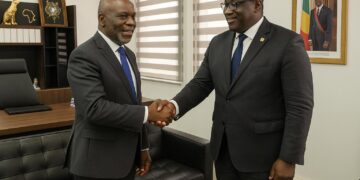
President Brice Oligui Nguema dismissed Finance Minister Henri-Claude Oyima on 1 January, barely four months after appointing him. The timing, right at the start of the fiscal year, underscores how critical the cash squeeze has become for a transition government keen to show fast results.
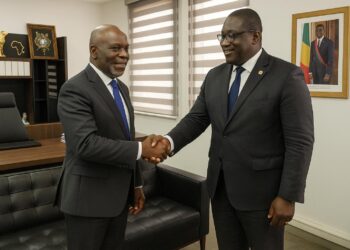
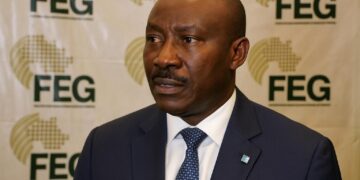
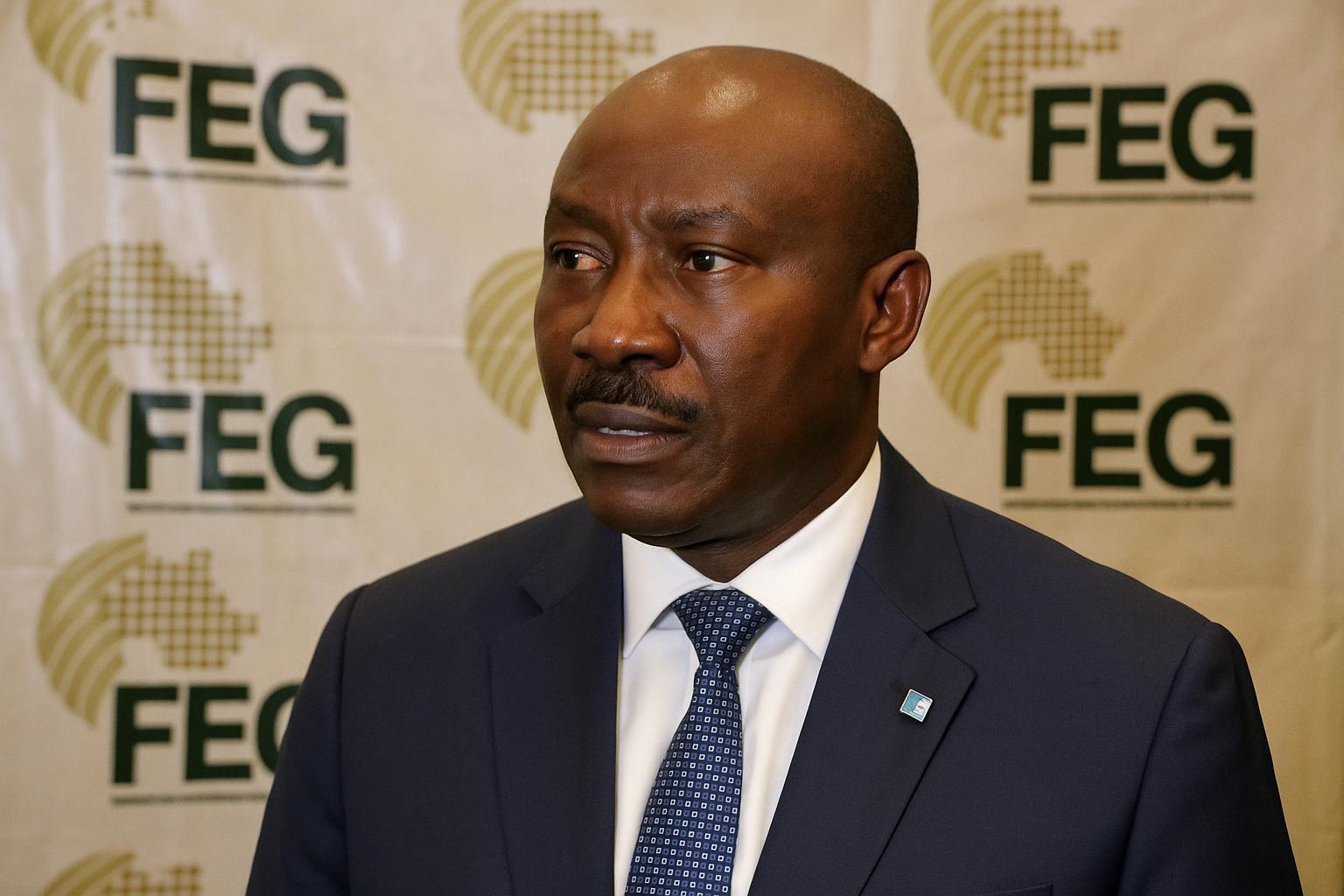
Seasoned technocrat Thierry Minko, formerly senior adviser at the ministry, steps in. His promotion is presented as continuity blended with fresh accountability. In a brief televised statement, the presidency said the change aims to “accelerate stabilisation of public finances without derailing the social contract.”
Liquidity Squeeze Reaches Flashpoint
Payment delays to contractors and civil-service suppliers have multiplied since November, mirroring a Treasury cash position some bankers describe as the tightest in a decade. Several major infrastructure projects have slowed as invoices remain outstanding for up to six months, according to local business associations.
Commercial banks, already cautious after last year’s restructuring of state arrears, have pared back short-term advances to public entities. This has forced the Treasury to rely heavily on weekly regional bill auctions, pushing yields above 8 percent and crowding out private borrowers.
External Position and Reserves Outlook
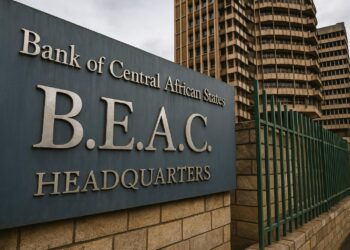
The Bank of Central African States reports Gabon’s net external position at end-September 2025 fell below the threshold of one month of import cover, effectively turning negative once statutory communal reserves are netted out (BEAC, Monetary Policy Report, December 2025).
Because the BEAC pool operates on solidarity, Libreville now draws on portions originally allocated to Cameroon and Congo-Brazzaville. Regional officials stress the mechanism remains functional, yet analysts warn that prolonged overdrafts could trigger tougher surveillance under CEMAC convergence rules.
Ratings Pressure and Debt Trajectory
Fitch Ratings cut Gabon’s sovereign grade to CCC- on 19 December, citing “acute cash-flow stress and narrowing funding options.” The agency forecasts public debt climbing from 72.9 percent of GDP in 2024 to 86.7 percent by 2027 if reforms lag.
Moody’s and S&P retain a B3/B- negative outlook, but both hinted at similar action should reserves fail to recover. Eurobond prices slipped three points after the Fitch move yet stabilised once investors hoped a cabinet shuffle might unlock fiscal measures or external support.
New Minister’s Immediate Priorities
Speaking to journalists on his first day, Minko listed clearing domestic arrears, reopening an IMF programme and digitising revenue as his top tasks. He pledged to publish a roadmap within 30 days, “co-signed by all core ministries, to end silo budgeting and restore trust with markets.”
Treasury officials say a bridge facility from Afreximbank is under discussion to refinance maturing 2023 commercial loans. Parallel talks with oil majors about earlier tax remittances could inject the equivalent of 0.8 percent of GDP before mid-year, easing pressure ahead of salary negotiations.
Stakeholder Reactions and Market Sentiment
The federation of public-works contractors welcomed the appointment but urged immediate disbursements, warning that employment on key road projects may fall 15 percent this quarter without cash. Local opposition voices questioned whether a reshuffle alone can fix structural leakages but stopped short of criticising the president’s overall strategy.
Regional investors interviewed by Ecobank Research view Minko as “technically solid,” citing his role in designing the 2021 excise-tax reform. They nevertheless want clarity on new issuance plans, noting that Gabon’s domestic-market rollover needs could exceed 350 billion CFA francs this year.
Regional Implications within CEMAC
Gabon’s drawdown of pooled reserves has already prompted BEAC to fine-tune liquidity management, absorbing excess CFA deposits in Cameroon and Chad to defend the peg with the euro. Central-bank governor Yvon Sana Bangui said the institution “remains prepared to support any member state under conditionality.”
A prolonged Gabonese shortfall risks reviving the 2016 scenario, when simultaneous oil-price shocks led to coordinated IMF programmes across CEMAC. Diplomats in Yaoundé suggest that pre-emptive alignment on fiscal rules could avert a repeat, preserving investor confidence in the regional currency.
Managing Social Expectations
Beyond macro indicators, households face stubbornly high food and transport costs. Inflation averaged 5.8 percent in 2024, above the 3 percent CEMAC ceiling. The new finance team must coordinate with the Ministry of Commerce on targeted subsidies while avoiding a new arrears spiral.
Civil-society leaders acknowledge the administration’s promise to curb living costs but insist on transparent monitoring. Minko said a dashboard tracking arrears settlement, fuel-price smoothing and public-procurement timelines will be published monthly, an initiative welcomed by the World Bank’s Libreville office as “an important step toward fiscal credibility.”
Path Forward for Investors
For portfolio investors, near-term catalysts include the possible return of an IMF staff mission and the outcome of a planned Eurobond coupon payment in March. Successful execution could narrow spreads, whereas further reserve erosion may prompt covenant discussions with bondholders.
Foreign direct investment players, particularly in manganese and timber, will watch for faster VAT reimbursements. A competitive tax-holiday scheme, championed by Minko during his advisory tenure, could re-emerge as Gabon seeks to diversify beyond hydrocarbons while safeguarding fiscal sustainability.