








Brazzaville climate diplomacy workshop
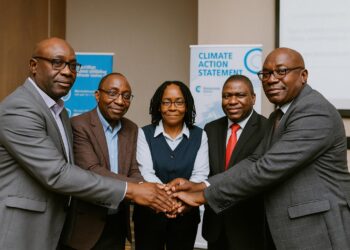
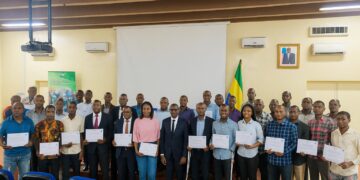
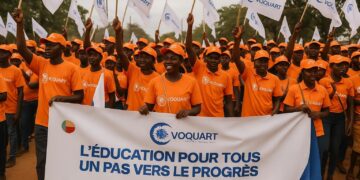
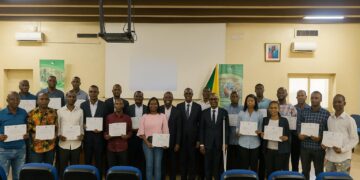
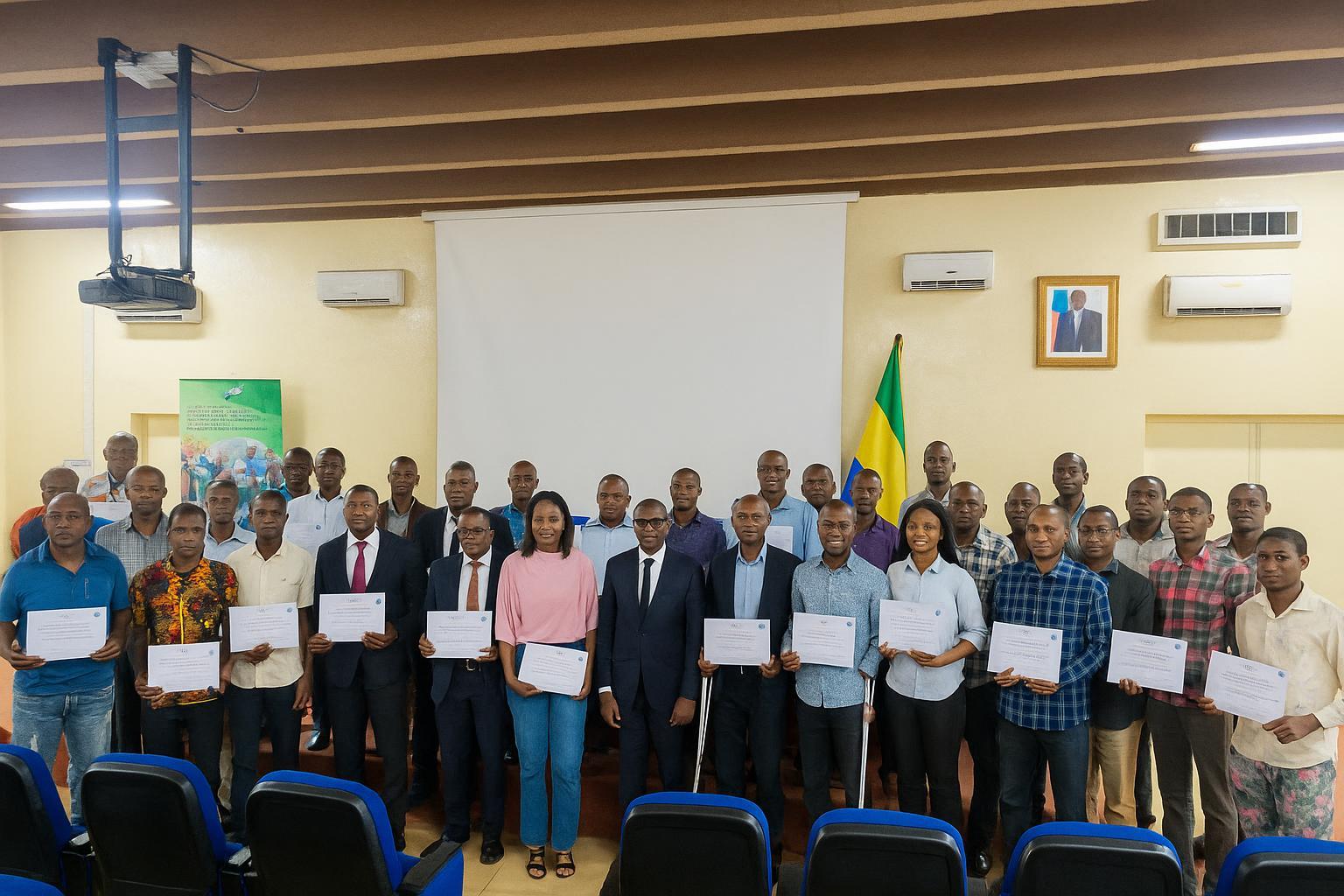
Brazzaville hosted, on 27 December, the second workshop dedicated to training Congolese youth in international climate negotiations and green finance. Convened by the Coalition of Youth Associations for Environmental Protection, the session aimed to sharpen technical skills that allow young professionals to represent national interests abroad.
The initiative forms part of a longer-term strategy to build a domestic pool of negotiators, analysts and entrepreneurs able to navigate the fast-evolving landscape of climate policy, carbon markets and sustainable investment. Organisers stress professionalisation is essential for Congo to extract greater value from frameworks.
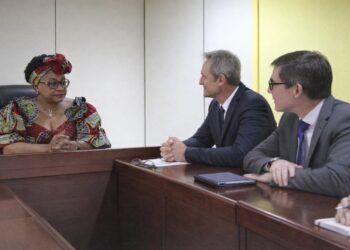
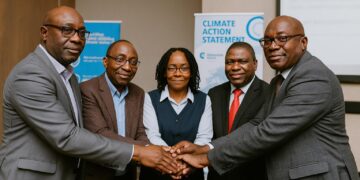
Government agencies quietly supported the workshop, seeing it as complementary to national commitments under multilateral agreements. While no official statement was released, participants reported constructive exchanges with civil servants, a sign of alignment between grassroots dynamism and the state’s agenda to promote responsible stewardship of Congo’s forest resources.
Building skills for emerging green careers
Facilitators from Associations Mwasi-Green, the Mouvement des jeunes écologistes congolais and the environmental journalists’ network Rjeppa designed interactive modules on negotiation techniques, terminology of the United Nations climate process, and fundamentals of project finance. Case studies focused on forest conservation, biodiversity offsets and community-based carbon initiatives.
Espanich Motondo, founder of Mjec, framed climate change not only as a policy challenge but as an economic frontier. He argued that Congo’s young talent should seize new specialisations such as carbon asset management, advisory services, or verification, turning ecological constraints into gainful domestic employment.
Throughout the day, mentors dissected real negotiation transcripts from previous Conferences of the Parties, inviting participants to identify leverage points relevant to a forested middle-income economy. The exercise demonstrated how technical vocabulary, timely data and understanding of procedural rules translate into influence within plenary halls.
Green finance as catalyst for youth entrepreneurship
Sessions on finance explored grant instruments, concessional loans and emerging voluntary carbon markets. Trainers underlined that robust measurement, reporting and verification unlock concessional capital, but also that entrepreneurs must articulate social co-benefits attractive to investors increasingly attentive to impact metrics.
An illustrative exercise asked each group to design a hypothetical mangrove restoration project, calculate potential carbon credits, outline a revenue model, and prepare a two-minute pitch. The competitive atmosphere showcased the creativity of students who, a few hours earlier, had never manipulated such financial parameters.
Roxanne Vanessa Ndedi, an economics student, confessed that she once equated climate action with volunteer campaigns. After working through balance-sheet projections, she now sees pathways toward advisory roles or start-ups specialising in green bonds. Her remark captured the workshop’s broader ambition: align idealism with bankable models.
Strategic relevance for Congo’s international positioning
Congo’s rainforest coverage grants the nation a central voice in global debates on nature-based solutions. Yet negotiating influence ultimately depends on skilled individuals who can translate ecological assets into concrete commitments and finance. The organisers therefore view capacity building as a strategic pillar of economic diplomacy.
Participants who attended previous UN summits, including Hystorick Motondo from COP30 preparatory meetings, shared lessons on coalition building among forest countries. They emphasised that data transparency, coherence of national messages and readiness to propose pilot programmes often determine the allocation of technical assistance and results-based payments.
Several trainees are expected to join observer delegations at upcoming regional forums. Even without formal negotiating status, they plan to monitor agenda items, draft briefs and relay intelligence to ministries in Brazzaville. Such back-office functions, often overlooked, reinforce the state’s capacity to respond swiftly during talks.
Institutional synergies and future editions
The Coalition anticipates scaling the programme through partnerships with universities, specialized institutes and private sponsors eager to demonstrate corporate social responsibility. Replicating the curriculum in Pointe-Noire and Owando would widen access beyond the capital, helping cultivate a nationwide network of climate professionals.
Organisers plan to update course material regularly to reflect evolving Article 6 guidance and best practices in biodiversity crediting. Maintaining such agility, they say, is crucial if Congo wants to anticipate market shifts rather than react once standards are already set by external actors.
Boris Richinel Mboussa, writer and advocate within Mjec, believes the effort ultimately strengthens national cohesion. In his view, equipping youth with specialised knowledge builds pride, reduces dependency on foreign consultants and signals that Congolese voices can shape solutions proportionate to the country’s environmental significance.
A measured but optimistic takeaway
The Brazzaville workshop underscores a pragmatic approach: climate diplomacy is framed not as an abstract moral duty, but as a professional niche with tangible career prospects and economic returns. By aligning education, entrepreneurship and public policy, organisers hope to translate Congo’s ecological capital into inclusive growth trajectories.
For investors observing the Central African region, the message is clear: locally grounded expertise is growing. A pipeline of professionals versed in emissions accounting, safeguards and investor reporting lowers transaction risk, potentially unlocking capital for conservation concessions, community forestry and resilient infrastructure aligned with Congo’s development plan.