









Human capital reforms anchor Brazzaville agenda
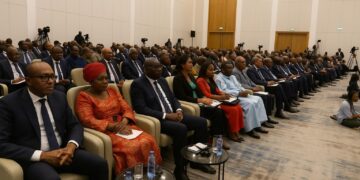
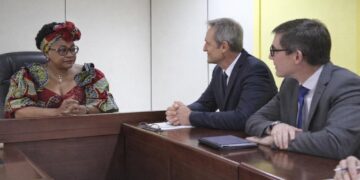
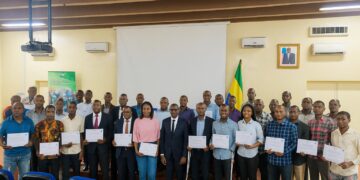
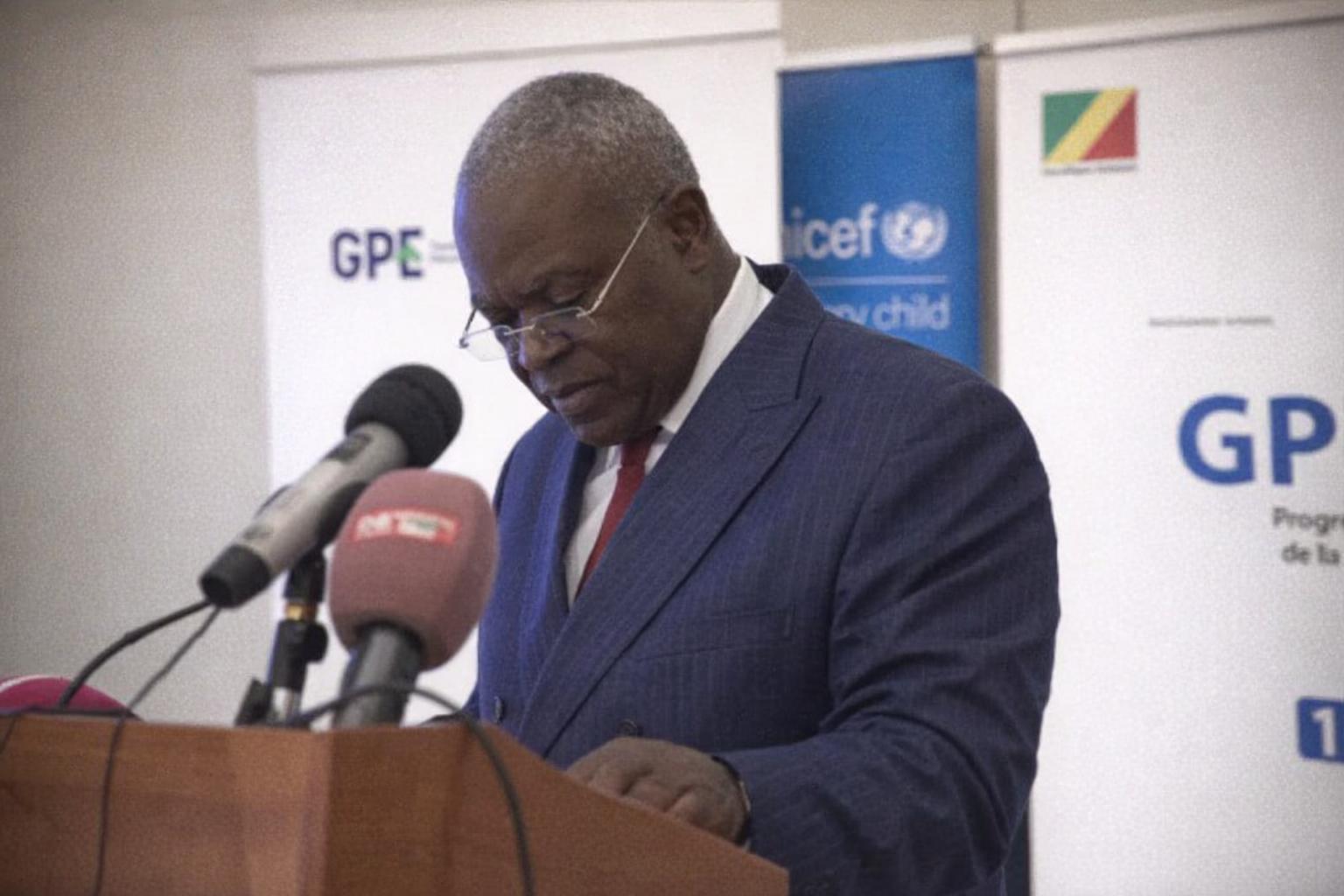
Brazzaville signalled a decisive pivot toward skills development on 16 December 2025, when Prime Minister Anatole Collinet Makosso unveiled the twin projects TRESOR and PARQUEB before ministers, multilateral partners and civil-society representatives (Government of Congo, 16 Dec 2025).
Both four-year programmes align with the National Development Plan 2022-2026 and the Education Sector Strategy 2021-2030, documents that frame human capital as the springboard for economic diversification and inclusive growth inside the Republic of Congo.
Education currently commands 3.2 percent of GDP, below the regional average of 4.5; authorities therefore view concessional external funding as a bridge while domestic revenue mobilisation reforms mature under the non-oil tax strategy.
USD 94.6 million TRESOR targets early learning
Financed by the International Development Association and the Global Partnership for Education, TRESOR commands USD 94.625 million, making it one of the largest single education envelopes extended to Congo-Brazzaville in a decade (World Bank, 2025).
The programme concentrates on preschool readiness, classroom materials and teacher mentoring, while upgrading governance through nationwide pupil assessments and data-driven teacher deployment—an area repeatedly highlighted by employers as a friction point in workforce planning.
TRESOR’s geographic focus on the Lekoumou, Sangha, Likouala and Pool departments underscores government intention to curb territorial disparities; authorities estimate 1.2 million learners, parents and educators will feel a direct impact by 2029.
PARQUEB drives classroom quality and governance
Running in parallel, the USD 10 million PARQUEB initiative—implemented by UNESCO and UNICEF—seeks to elevate pedagogical quality through a systemic approach that puts teachers, learning tools and school-level management at the centre (UNESCO, 2025).
UNESCO representative Fatoumata Barry Marega described the project as a ‘collective and coordinated answer’ to persistent learning gaps, adding that synergies with TRESOR create a shared ambition for the education system’s future (UNESCO, 2025).
Institutional capacity set for step change
Beyond classrooms, both projects channel resources into ministry-level capacity building, including upgraded payroll systems, transparent teacher recruitment and the institutionalisation of periodic national assessments—foundational pillars for evidence-based policy.
Digital dashboards are planned to compile real-time data on attendance, gender parity and learning outcomes, enabling quicker budget reallocations and allowing development partners to trace results against disbursements.
Macroeconomic payoff for diversification agenda
Stronger foundational literacy and numeracy should ease talent shortages currently flagged by energy, agribusiness and telecom investors eyeing Congo’s transition plans; a more skilled workforce lowers onboarding costs and enhances the local content ratios sought in many project-finance covenants.
Economists at the Ministry of Planning estimate that every CFA franc spent on early-childhood programmes yields up to seven francs in long-term GDP gains, a multiplier likely to matter as commodity revenues fluctuate.
Business incubators backed by the diaspora are preparing to align coding boot-camps with the revised curriculum; early conversations with the Higher Council for Congolese Abroad suggest scholarship windows could open for top TRESOR graduates as soon as 2027.
Financing terms safeguard debt profile
IDA financing combines 50 percent grant and 50 percent concessional credit, carrying a zero-percent interest rate and a 40-year maturity; the structure preserves debt-service space while guaranteeing multi-year liquidity for roll-out (World Bank, 2025).
Budgetary integration is reinforced by quarterly joint reviews between the Ministry of Finance and development partners, ensuring alignment with the Medium-Term Expenditure Framework and the non-accumulation of domestic arrears.
Environmental and social safeguards mirror those applied to earlier road projects; classroom upgrades must source certified timber and adhere to gender-responsive site plans, mitigating the risk of community pushback while aligning with Congo’s nationally determined contributions on climate.
Roadmap to 2029: milestones and metrics
Year one priorities include rehabilitating 120 preschool classrooms, onboarding 800 newly trained teachers and establishing baseline assessments for grade-three literacy; subsequent phases expand to remote riverine zones and introduce solar-powered digital labs.
Key performance indicators will be tracked via an online scorecard accessible to ministries, parliamentarians and partner agencies, fostering transparency and discouraging implementation slippage.
Parental engagement will be bolstered through radio programmes in Lingala and Kituba, ensuring that literacy objectives do not hinge solely on in-class exposure and providing investors in mass-market goods clearer signals on future consumer bases.
Private operators invited to complement efforts
The government plans to issue public-private partnership guidelines for school canteens and broadband connectivity in early 2026, a move welcomed by telecom operators who see opportunity in supplying bandwidth to nearly 3,000 campuses.
International textbook publishers are also positioning to localise content under new intellectual-property rules; officials indicate that royalty arrangements will favour editions printed inside the country, creating spill-overs for the nascent paper and logistics sectors.
Regional leverage and prospects beyond 2029
Officials are already exploring replication across CEMAC through the upcoming Central African Human Capital Summit, while the World Bank hints that satisfactory progress could unlock additional financing for skills tied to green minerals and digital services.
At continental level, the African Union’s 2063 Agenda lists education transformation as a flagship programme; Congo’s early uptake of multi-partner financing could position Brazzaville to attract technical centres of excellence when the second ten-year implementation plan is negotiated.