
































Strategic push for a pro-business climate
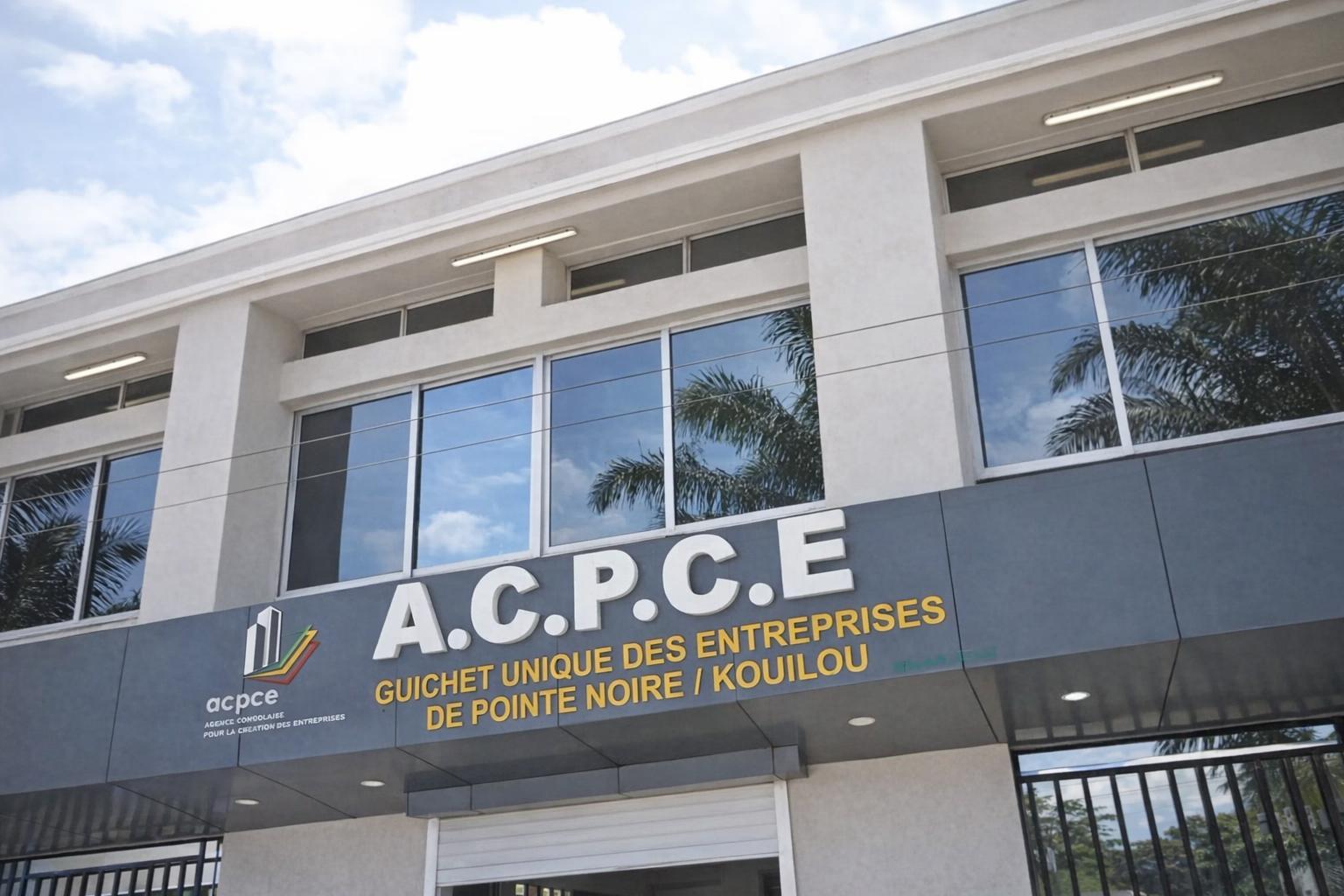
The Republic of Congo is preparing to switch on its first fully digital business-registration portal, a project steered by the Congolese Agency for Business Creation, ACPCE. Officials present it as an inflection point for the country’s entrepreneurial ecosystem.
The initiative aligns with President Denis Sassou Nguesso’s agenda of administrative modernisation and economic diversification, both reiterated in recent cabinet meetings. By moving forms and stamps online, Brazzaville hopes to translate policy intent into tangible service improvement.
ACPCE directors underline that faster company registration is a recognised lever for job creation and private investment. Their messaging echoes regional commitments under the Central African Economic and Monetary Community, which promotes convergent reforms on business climate.
International observers note that comparable e-government portals in Rwanda and Côte d’Ivoire reduced processing times from weeks to hours. Congo’s authorities aim for similar metrics, yet emphasise that local realities will shape the rollout pace.
How the platform works
According to ACPCE technicians, the web-based interface will allow entrepreneurs to submit statutes, verify company names, settle fees and receive a digital registration certificate without visiting any counter.
Integration with tax, social security and commercial court databases intends to eliminate repetitive data entry. Application Programming Interfaces will push approved files automatically, reducing clerical error and back-office workload.
Users authenticate once via the national biometric ID. Payments are accepted through mobile money, bank card or treasury e-voucher, mirroring Congo’s push for broader digital financial inclusion.
ACPCE indicates that average completion time should fall below 48 hours once the system reaches cruising speed. A hotline and chat-bot will offer guidance in French and Lingala during the first twelve months of operation.
Expected gains for SMEs and investors
Shorter lead times directly affect start-up cash flow. Entrepreneurs often pay rent and salaries before earning revenue; shaving off bureaucratic delays can therefore improve early-stage survival rates, a critical metric in Congo’s youth-heavy labour market.
For larger investors, the digital portal signals predictability. Knowing that legal existence can be secured in hours helps in scheduling engineering studies, mobilising capital and negotiating supplier contracts, especially in sectors such as energy services and agri-processing.
Financial institutions also benefit. Banks frequently postpone account opening until registry numbers are issued. A faster pipeline means quicker deployment of working-capital lines, while microfinance players can integrate their scoring tools with the ACPCE feed.
In conversations with local chambers of commerce, executives anticipate that the portal will improve Congo’s ranking in continental competitiveness indices, a soft yet influential criterion for portfolio managers scanning Central African opportunities.
Digital transformation and public efficiency
The platform is part of a broader e-government suite, including the forthcoming single tax window. By digitising workflows, ministries can reallocate staff from stamping paperwork to compliance audits and taxpayer support.
Reduced frontline interactions may curb petty corruption, a goal repeatedly highlighted by Prime Minister Anatole Collinet Makosso. Digital trails create accountability, while automated time stamps limit discretionary extensions of processing deadlines.
Budgetary implications matter. Paperless procedures lower consumption of printed forms and archiving space. The Treasury could redirect savings to connectivity upgrades in regional prefectures, ensuring that entrepreneurs outside Brazzaville enjoy equal service quality.
Beyond efficiency, the initiative nurtures a nascent digital-skills market. Local software vendors have participated in coding sprints under ACPCE supervision, building capacities that could spill over into fintech, logistics and health applications.
Opportunities for diaspora engagement
Members of the Congolese diaspora often cite administrative hurdles as a key deterrent to investing back home. A remote, English-friendly interface is expected to bridge distance and timezone constraints.
Consultations with expatriate associations in Paris and Montréal led ACPCE to incorporate electronic signature functionality that recognises foreign passports, subject to notarised scans, broadening the equity base for start-up projects.
Remittance flows already surpass some bilateral aid envelopes. Streamlining the legal set-up could transform part of that liquidity into formal capital, supporting SMEs in agritech, green timber processing and digital services.
Diaspora entrepreneurs plan a cloud mentoring tool linked to the registry, so founders in Brazzaville, Pointe-Noire and abroad can align governance standards from the first day.
Guardrails: cybersecurity and inclusivity
Authorities acknowledge that digitisation raises cybersecurity stakes. The National Agency for Information Security has audited the portal’s codebase and mandated two-factor authentication for administrators to mitigate phishing and credential stuffing attempts.
Connectivity gaps remain. Government fibre covers each departmental capital, yet rural entrepreneurs rely on often-unstable 3G. ACPCE will add offline submission that syncs data automatically when signal returns.
Training is another priority. A coalition of universities and business incubators will roll out practical clinics on digital compliance, ensuring that first-time founders grasp their new responsibilities in record-keeping and tax declaration.
The portal’s launch is scheduled for the coming quarter. While observers will track performance indicators closely, the prevailing sentiment among stakeholders is cautiously optimistic that a more agile business climate is within reach.