




Brazzaville diplomatic greetings set the tone
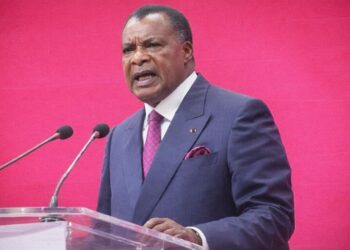
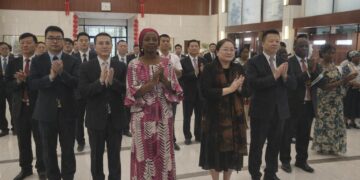
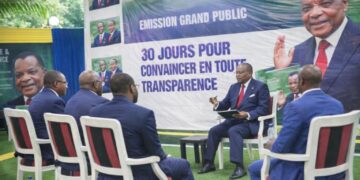
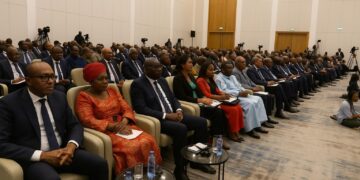
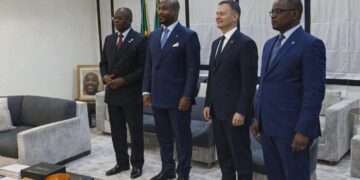
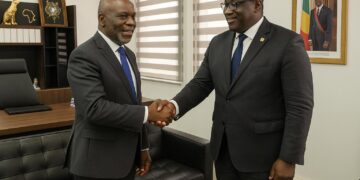
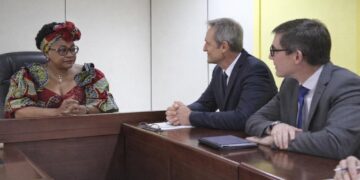
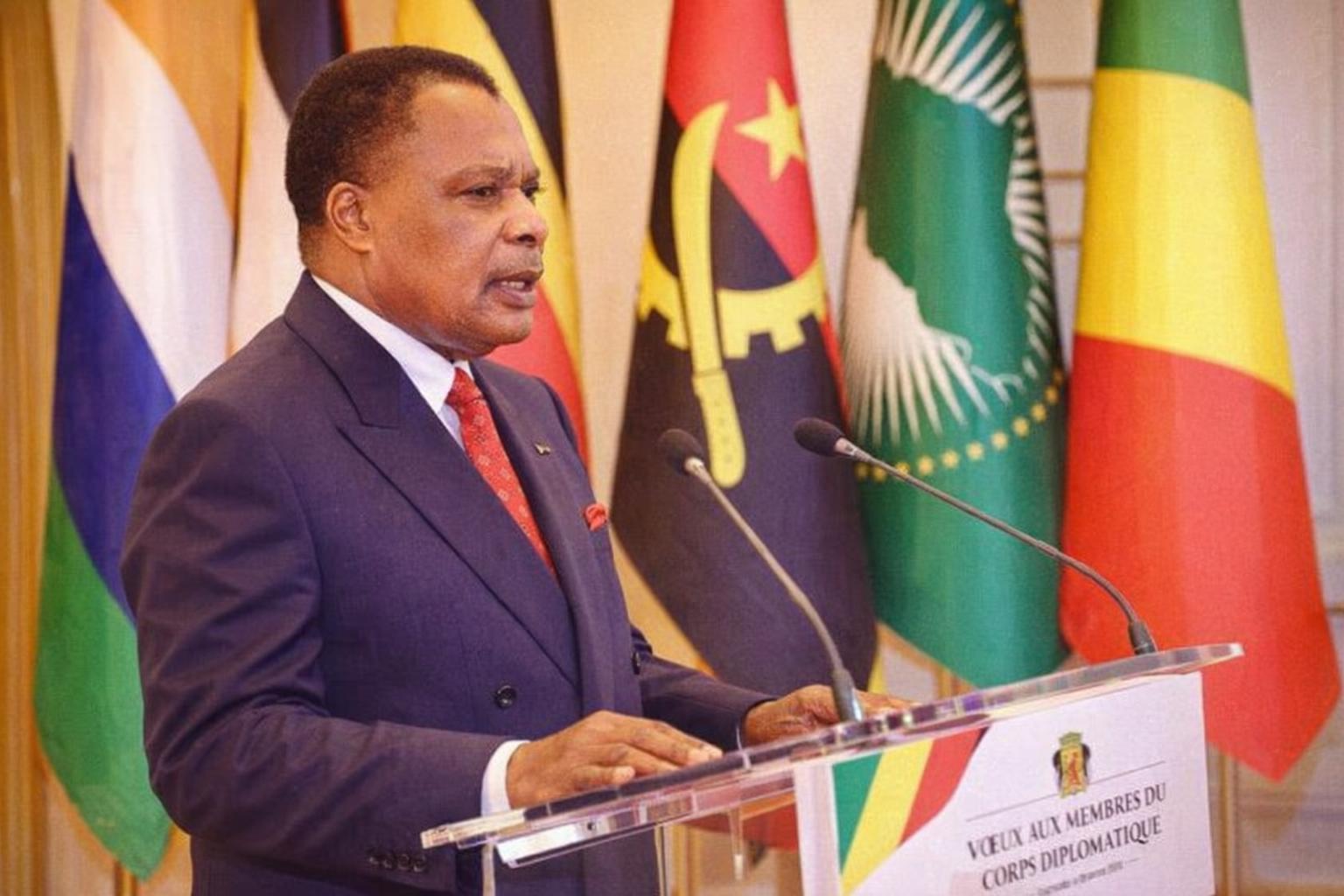
On 6 January in Brazzaville, President Denis Sassou N’Guesso met the diplomatic corps accredited to the Republic of the Congo for the traditional New Year greetings. In that setting, he framed multilateralism as a central instrument for easing crises and tensions among nations.
He argued that multilateral action provides strategic spaces for dialogue and solidarity, capable of tempering narrow sovereignties and closed nationalisms. The message was delivered as a political principle, but also as a practical method for navigating a fragmented international environment.
A message of stability through partnership
Replying to the dean of the diplomatic corps, the Head of State commended the “exemplary” quality of friendship and cooperation between Congo and its partners. He presented peace as a cornerstone of his action and described Congo as actively engaged in peacebuilding processes in Africa and beyond.
The speech did not claim that diplomacy alone can resolve complex conflicts. Instead, it stressed consistency: Congo’s external posture is presented as anchored in dialogue, mediation, and a preference for negotiated outcomes rather than escalatory logics.
Economic diversification and social investment highlighted
Denis Sassou N’Guesso noted that diplomats had underlined Congo’s efforts to diversify its economy. He also pointed to “significant” investments in social sectors such as health and education, presented as visible components of national policy priorities.
He added that economic and social reforms will continue “without relent” to reinforce the improved trajectory observed toward growth and progress. In the same sequence, he called for international solidarity and stronger support to help consolidate the gains already achieved.
Global tensions and shifting power balances
The President recalled that 2025 had been marked by recurring threats and persistent conflicts across continents. He described this context as contrary to the values of the United Nations Charter, and said it contributes to a wider fragmentation of the world amid influence competition.
In his reading, rivalries and alliances that form and dissolve can signal a broader adjustment, and possibly a recomposition of global balances. The emphasis remained analytical: the point was less to assign blame than to underline uncertainty in international relations.
Multilateral cooperation as an answer to shared risks
Against that backdrop, Denis Sassou N’Guesso maintained that optimism should remain possible for a calmer, fairer and more solidaristic world. He nonetheless portrayed the moment as one of doubt, where collective action is needed to manage problems that exceed national boundaries.
He listed peace and security, food insecurity, climate change, health crises, poverty reduction, and infrastructure development as issues that cannot be solved in national autarky. In his formulation, multilateral cooperation is not optional, but a primary lever for contemporary challenges.
Public-private partnerships and multilateral mechanisms
Turning to Congo’s policy choices, the President said the country is committed to strategic, win-win partnerships, including public-private formats. He suggested that multilateral cooperation mechanisms can help mobilize resources and catalyze investment opportunities.
The argument implicitly links diplomacy to development finance. For investors and institutions, this framing signals a preference for structured partnerships and a willingness to position Congo within broader cooperation platforms, rather than relying solely on bilateral arrangements.
Africa’s potential and a call to deepen pan-African ties
Denis Sassou N’Guesso referenced Africa’s demographic assets, natural resources, and hydrographic and energy potential. He described the continent as increasingly conscious of its place and role within the international community, echoing a narrative of agency and strategic self-definition.
He also invoked pan-Africanism as a platform for emancipation and integration, urging states to revitalize that movement. The stated objective was to deepen and add value to intra-African links of friendship and cooperation, framed as complementary to wider multilateral engagement.
Libya mediation and support for an inclusive political option
Addressing Libya, where he described himself as a mediator, the President encouraged stakeholders to continue efforts toward an inclusive political reconciliation process. He connected this option to the organization of elections that would be free, transparent, and accepted by all.
He recalled that initiatives undertaken so far aim to end sporadic violence, strengthen peace, and support the ongoing mediation. The tone remained forward-looking and procedural, emphasizing political inclusion as the preferred pathway.
Regional peace signals cited for eastern DRC
The President welcomed what he called encouraging progress in efforts to resolve the conflict in eastern Democratic Republic of the Congo. He referred to the signing of peace agreements with the Republic of Rwanda, and between the Congolese government and the AFC-M23 coalition.
He urged the signatory parties to exercise “full responsibility” in implementing commitments to facilitate a return to peace in the region. The message underscored implementation as the real test of diplomatic texts, and accountability as a stabilizing factor.
Congo’s electoral calendar and diplomatic reassurance
On governance and political life, Denis Sassou N’Guesso said he welcomed the “growing” vitality of democracy in Africa, noting that elections had been organized in many countries in 2025. He framed this as a continental dynamic rather than a purely national issue.
He assured the diplomatic corps that everything would be put in place to organize a calm, free, and fair presidential election in the Republic of the Congo in March. The statement served as reassurance to partners that institutional timelines are being prepared under an apolitical commitment to order.