































Forum anchors regional cyber resilience
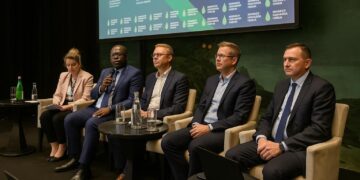
Brazzaville will host the third Brazza Cyber Security Forum on 26-27 November 2025, steered by the National Agency for Information Systems Security, INSSI. The event has expanded rapidly since 2021, mirroring the region’s pressing need to shield critical infrastructure and citizen data from escalating cyber risks.
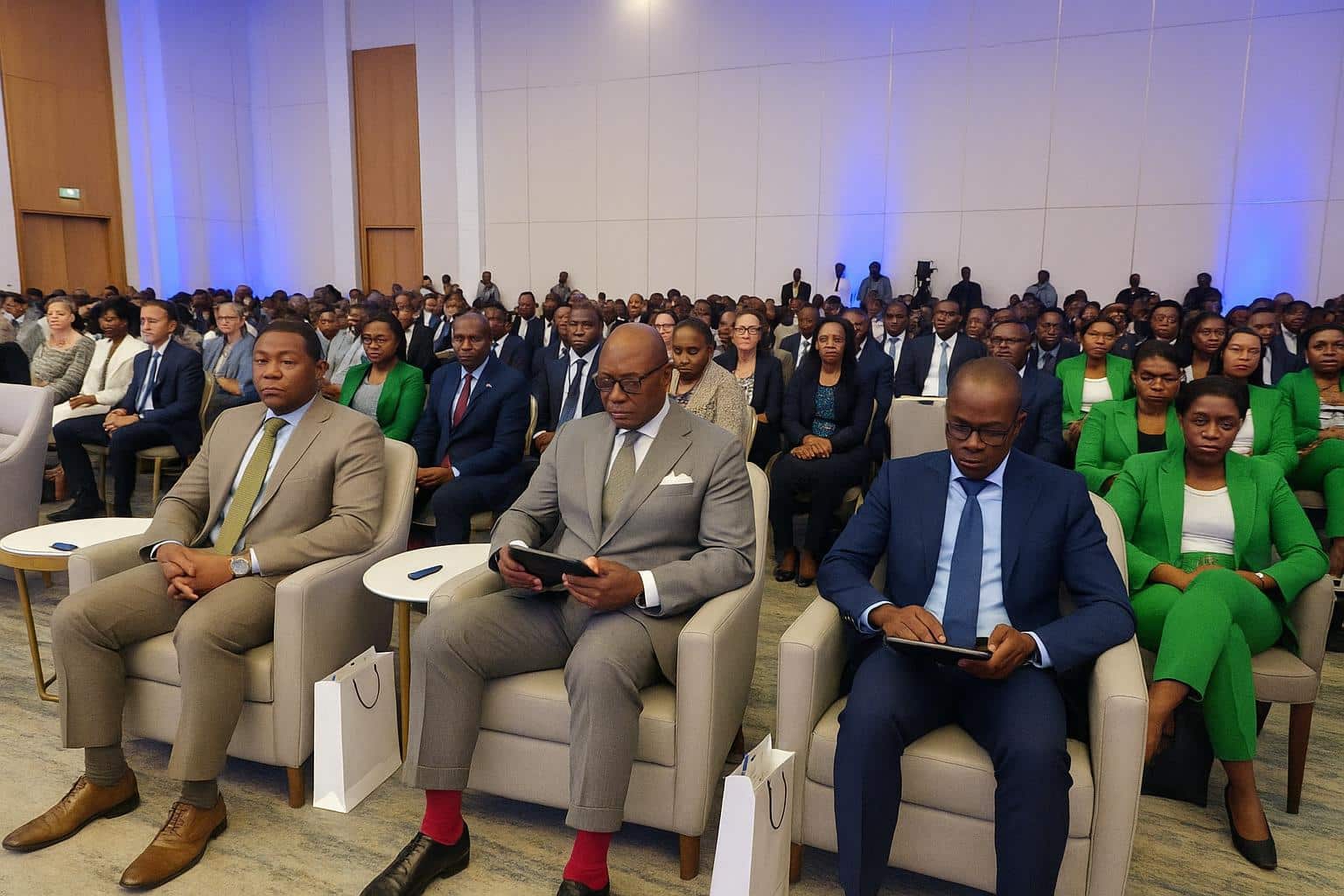
Organisers expect several hundred participants drawn from governments, magistrates, defence units, research centres, corporations and fintech startups. By convening such a broad spectrum, the forum aims to turn dialogue into executable projects that advance a distinctly African model of resilience and accountability.
Sovereignty theme aligns with state roadmap
“Digital security is now a matter of sovereignty, national stability and continental dignity,” minister Léon Juste Ibombo stressed in his opening remarks. He framed the forum’s theme—“Innovation and cyber sovereignty: building African solutions for African challenges”—as a strategic response to mounting attacks and technological dependency.
Under President Denis Sassou Nguesso, Congo-Brazzaville has already launched several flagship projects: operationalisation of the national cybersecurity agency ANSSI, construction of a tier III national data centre, creation of an African Artificial Intelligence Research Centre and scholarship programmes to cultivate a new cadre of cybersecurity engineers.
Startups and youth fuel home-grown solutions
Local startup Skytech-Congo initiated the forum’s first edition and remains a core organiser, illustrating how private ingenuity complements public policy. Incubators report that demand for penetration-testing, secure payment gateways and cloud-hardening services has doubled in two years, creating fertile ground for venture capital.
A notable share of delegates will be young entrepreneurs and women leaders, including the Kongo Cyber Women network. Their presence underlines a conviction repeatedly voiced by minister Ibombo: lasting protection for the continent must be co-designed by every social group, especially the digitally native generation.
Public-private alliances unlock investment
Industry platforms such as Kosala, Osiane, Alliance Smart Africa, École 21, Phone Control and Genew Technology have confirmed sponsorships, while development partners analyse ways to channel blended finance toward security audits, threat-intelligence hubs and certification labs.
Officials have floated public-private partnerships that link telecom operators with cloud providers to monetise the upcoming data centre. Such structures could deliver recurring revenue while meeting COBAC compliance requirements, a prospect that has piqued interest from regional banks and insurance underwriters.
Multilateral backing strengthens credibility
The United Nations Economic Commission for Africa has supported the forum since its inception, framing it as a pilot for ECCAS-wide norms on incident reporting and critical-infrastructure classification. Observers from Smart Africa expect draft guidelines to emerge in Brazzaville before wider consultation.
By embedding the forum in continental initiatives, Congo-Brazzaville positions itself as a bridge between francophone and anglophone cyber communities, an asset for investors seeking scale across Central and West Africa. The strategy dovetails with the African Union’s call for data localisation and harmonised cybercrime statutes.
Opportunities for investors and talent
Market analysts value the Central African cybersecurity segment at over USD 250 million by 2026, driven by telecom expansion, digitised customs and e-government platforms. Solution providers offering managed detection, identity management or secure cloud hosting stand to benefit from first-mover advantages.
Training remains an equally dynamic niche. Government-funded programmes, Diaspora mentoring schemes and private coding bootcamps are looking for partners to deliver curricula aligned with ISO 27001 and African data-protection frameworks. Successful bidders could feed directly into public tenders linked to the forum’s action plan.
Building a secure digital future
Speakers plan to unveil the Brazza Cyber Security Awards to showcase prototypes ready for regional rollout. Planned matchmaking sessions between startups, banks, and development agencies aim to convert proof-of-concepts into scalable services and hardware.
As Léon Juste Ibombo concluded, “Digital sovereignty cannot be decreed; it must be built collaboratively.” By setting pragmatic milestones and mobilising diverse expertise, the 2025 forum offers Congo-Brazzaville—and Central Africa at large—a concrete path toward resilient and autonomous participation in the global digital economy.