







Diplomatic momentum fuels pragmatic ties
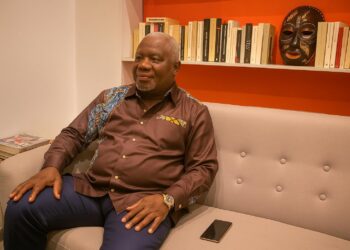
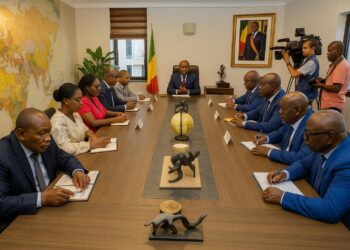
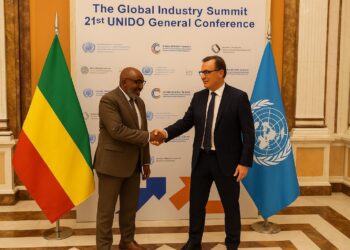
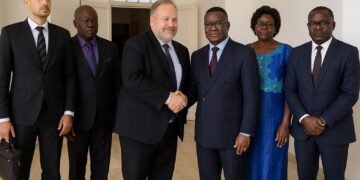
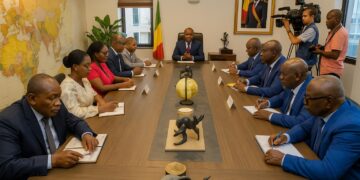
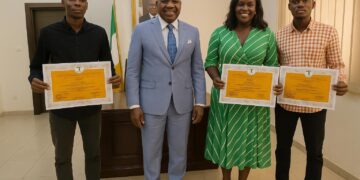
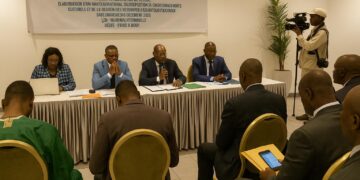
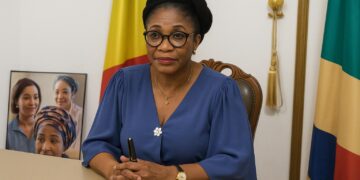
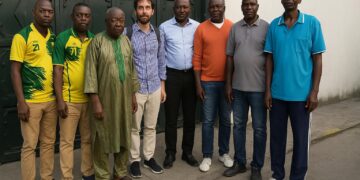
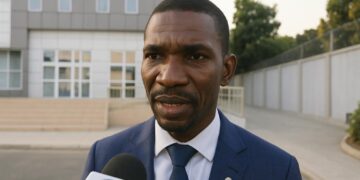
Ambassador Hilmi Ege Türemen’s 3 December visit to Valère Gabriel Eteka-Yemet, Mediator of the Republic, signalled a new layer in Congo-Turkey relations. The envoy praised the “warm welcome” and confirmed Ankara’s interest in formal exchanges between the two mediation offices (Congo national media, 3 Dec 2023).
Since the reciprocal embassies opened in 2013 and 2014, bilateral engagement has shifted from protocol to projects. The current overture targets governance cooperation, illustrating how soft diplomacy can reinforce economic strategies already in motion (Turkish MFA data 2022).
Mediation institutions as soft-power bridges
Congo’s Mediator, created to facilitate dialogue between citizens and administration, mirrors Turkey’s Ombudsman Institution in Ankara. By linking the two, both capitals seek faster dispute resolution for individuals and companies operating across jurisdictions, reducing legal friction and boosting confidence in cross-border ventures.
Officials on both sides underline a “mutually beneficial” approach. Türemen told reporters the teams will “talk further with the director of cooperation on concrete actions” that could materialise into staff exchanges, capacity-building seminars and digital complaint-handling tools adapted to francophone and turkophone contexts.
Commercial footprint already visible
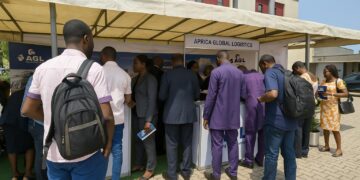
More than twenty Turkish enterprises now operate in Congo-Brazzaville, according to embassy figures. They range from construction firms erecting housing complexes in Kintélé to logistics specialists supporting Pointe-Noire’s container traffic, and education providers running bilingual schools in Brazzaville (Anadolu Agency, 2023).
Energy and mining interests are also advancing. A mid-2022 memorandum between Turkey’s Çalik Enerji and the Congolese government mapped joint power-plant upgrades, while small-scale Turkish equipment suppliers have entered cobalt and manganese processing niches, diversifying away from hydrocarbons.
Trade growth tempered by logistics costs
Bilateral trade approached USD 250 million in 2022, up from barely USD 30 million a decade earlier, driven by Turkish exports of cement, re-bar, machinery and household goods (Turkish Statistical Institute, 2023). Congolese hardwood and manganese represent the bulk of southbound traffic.
Yet freight costs remain high. Maritime distances via Lomé or Abidjan trans-shipment add days and fees, prompting both governments to study direct Ro-Ro lines from Mersin to Pointe-Noire. Diplomats argue that smoother dispute-settlement mechanisms will further justify such infrastructure bets.
Focus sectors for next-wave deals
Real-estate developers eye demand from Congo’s expanding urban middle class. Turkish contractors, who delivered projects in Dakar and Accra, pitch cost-effective prefabricated techniques that could align with Brazzaville’s social-housing targets set in the 2024-2026 Budget Law.
Agro-industry is another frontier. Congo’s plan to cut its food import bill by 50 % by 2027 opens room for Turkish irrigation technology and cold-chain solutions. Embassy advisers mention pilot farms in Plateaux Department, designed to couple Turkish drip systems with local cassava processing hubs.
Digital services round out the agenda. Ankara’s experience in e-government platforms could support Congo’s push to digitalise administrative procedures, a reform championed by President Denis Sassou Nguesso to enhance transparency and business climate rankings.
Institutional cooperation mechanics
Creating a liaison protocol between the two mediators will likely involve a memorandum spelling out exchange of best practices, joint annual reports and case-management benchmarking. Such templates already exist in Turkey’s agreements with Spain and Morocco, offering a useful precedent.
Congolese officials stress that sovereignty safeguards will remain intact. Sensitive cases involving public security or natural-resource concessions would continue to follow domestic legal channels, while the mediation bridge would tackle administrative delays, tax grievances and permit disputes.
Stakeholder reactions remain positive
The Congolese Chamber of Commerce welcomed the initiative, noting that “an accessible ombudsman for foreign investors reduces project downtime caused by procedural bottlenecks”. Similar views were echoed by a representative of Musiad, Turkey’s independent business association, who said the platform could “de-dramatise contractual hiccups before they escalate”.
Civil-society observers frame the move as a tool to share public-service innovation. Researcher Rosalie Ngatsé argues that Turkey’s e-petition model, allowing cases to be filed online and tracked in real time, could improve citizen trust in Congo’s administration without challenging institutional hierarchies.
Risks and mitigation strategies
Political stability in both countries supports the initiative, yet currency volatility remains a business concern. The Turkish lira’s fluctuations can erode contractor margins, while Congo’s CFA franc is pegged to the euro. Hedging instruments through regional banks and the creation of dual-currency escrow accounts are under study.
Another risk is regulatory overlap. Congo’s existing Investment Code grants fast-track arbitration via the Agency for Investment Promotion. Aligning that pathway with the Mediator’s soft-law approach will require clear procedural sequencing to avoid forum shopping.
What investors should monitor
A pilot staff-exchange programme between Brazzaville and Ankara ombudsmen is expected to be announced in the first half of 2024, insiders say. Its scale and funding sources will reveal each side’s commitment.
Should the liaison prove effective, observers anticipate a rise in mixed equity-financing structures pairing Turkish mid-caps with Congolese public entities, especially in secondary-city infrastructure and agro-processing.
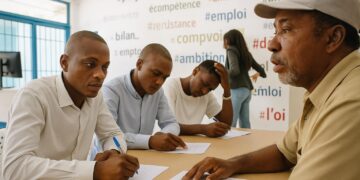
For the diaspora and young professionals, new internship slots in Turkish firms established in Congo could offer skills transfer in project management, logistics and engineering, reinforcing the human-capital dimension of the partnership.