













Human Capital Forum debuts in Brazzaville
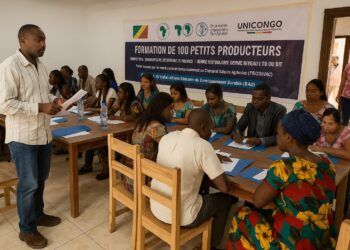
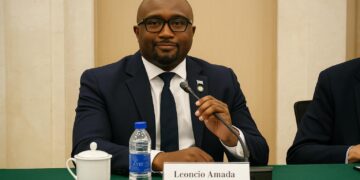
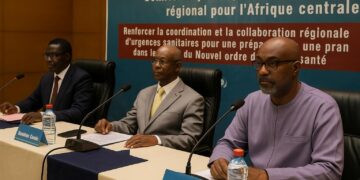
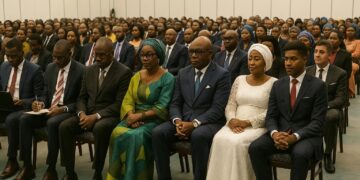
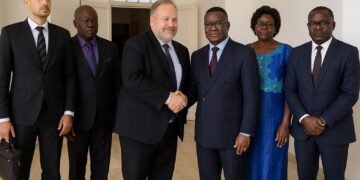
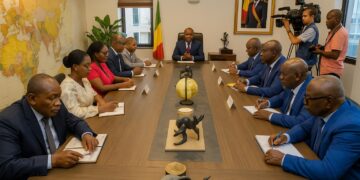
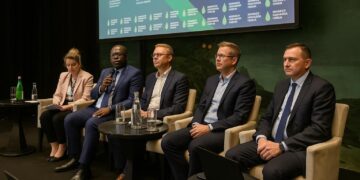
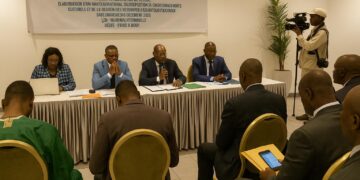
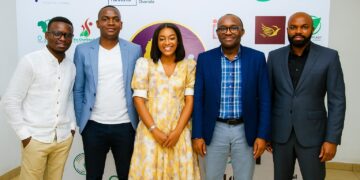
More than three hundred policy makers, corporate leaders and academics gathered in Brazzaville from 3 to 4 December for the Republic of Congo’s inaugural Human Capital Forum, a two-day debate on how talent development can accelerate inclusive growth at a time of economic diversification.
Convened under the banner “Development and Valorisation of Human Capital: Pillar of Economic and Social Growth in the Republic of Congo”, the meeting positioned itself as the missing link between education, labour markets and social progress.
Aligning Skills with Market Needs
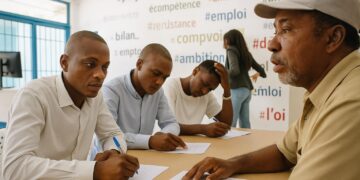
Workshops led by local universities, multinationals and the Ministry of Technical and Vocational Training stressed that only 18 % of Congolese graduates currently match private-sector job descriptions, according to preliminary data shared by the African Human Resources Observatory.
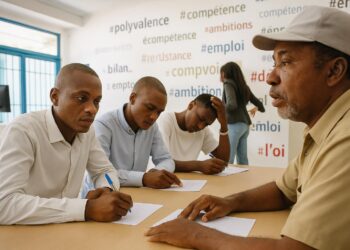
Participants explored curriculum updates in logistics, digital services and agro-processing, sectors prioritised by the National Development Plan 2022-2026, with recruiters insisting that internships, soft-skill coaching and bilingual capabilities are becoming decisive for entry-level candidates.
Quality Work Life boosts Productivity
A panel devoted to workplace well-being revealed that companies offering health insurance, transport allowances and flexible schedules record productivity gains of up to 12 %, citing a study by Emerging Markets Consulting that surveyed thirty medium-sized Congolese firms during 2023.
Union representatives welcomed management openness, yet urged clearer enforcement of the 2019 labour code to ensure overtime compliance, pointing to its importance for sustaining social stability and investor confidence.
Corporate Pledges from AGL and Congo Terminal
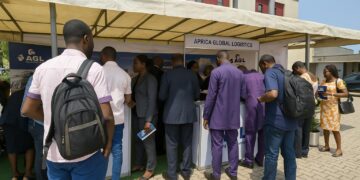
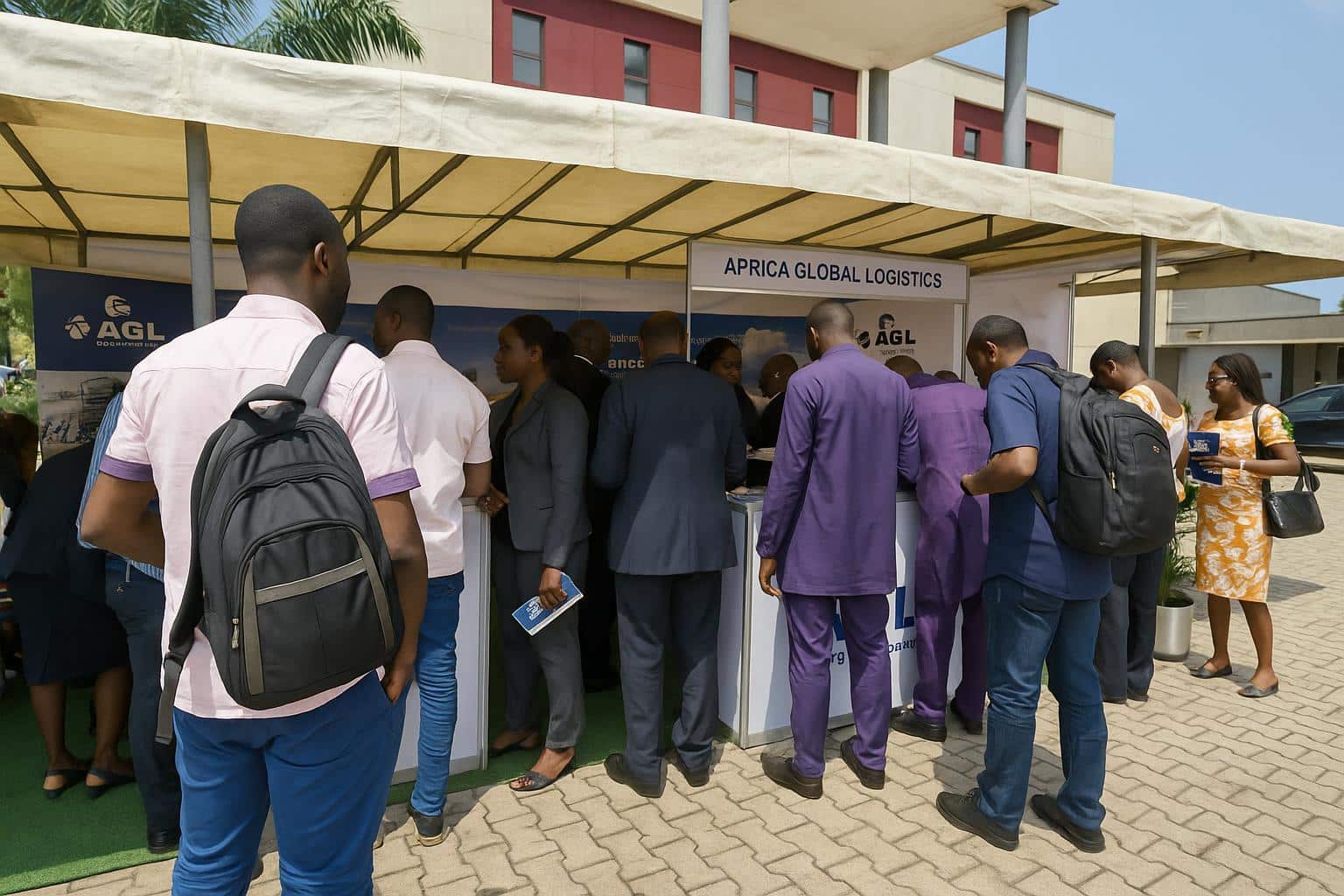
Africa Global Logistics, concessionaire of the Pointe-Noire container terminal, announced a target of training 500 young technicians every year through its “AGL Talent Booster” programme, combining classroom modules with on-the-job rotation across port operations, rail services and supply-chain analytics.
Congo Terminal’s HR director Aristide Ndjawe underlined that mentoring and community outreach are embedded in the group’s values, stating that solidarity among employees extends to mock interviews organised for final-year students seeking maritime logistics roles.
Building a Modern HR Ecosystem in Congo
The forum also served as the official launchpad for the Congolese Association of Human-Resource Professionals, which plans quarterly policy briefs on recruitment trends, wage benchmarks and diversity metrics to better inform decision making in both public agencies and SMEs.
French business school ESSEC confirmed that its Executive MBA in Central Africa will open a Brazzaville track in 2024, a move hailed by observers as evidence that the city is turning into a regional hub for advanced HR training.
Human Capital and Economic Diversification
Economists attending the event argued that skilled labour remains the binding constraint on Congo’s push to raise non-oil GDP from the current 7 % to 20 % by 2030, an ambition set out in the government’s diversification roadmap endorsed by President Denis Sassou Nguesso.
International Finance Corporation specialists highlighted that each percentage point increase in human capital index scores could unlock up to USD 120 million in additional foreign direct investment annually, citing regional comparators such as Côte d’Ivoire and Ghana.
Investor Insights and Innovation
Private-equity funds present in the audience signalled appetite for co-investing in vocational institutes, provided regulatory clarity around public-private partnerships materialises, especially on land tenure and fee structures.
Start-ups showcased digital platforms matching apprentices to manufacturers, while banks discussed payroll-linked lending products that could ease the transition from informal jobs to formal employment, a shift central to expanding the domestic tax base.
Voices from Participants
Marie-Hélène Okana, a recent graduate from Marien Ngouabi University, said the forum’s career-clinic helped her identify certification paths in customs brokerage, a niche she previously ignored, while veteran HR consultant Jean-Joseph Kimbembe noted a rare atmosphere of candour between generations not seen since the 2015 jobs summit.
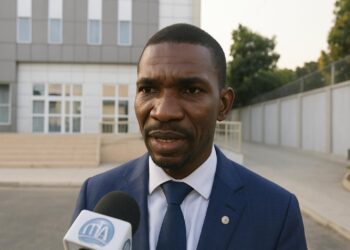
Government delegate Valère Ngoma outlined plans to integrate the forum’s proposals into the forthcoming Labour Market Information System, pledging an open dashboard on vacancies, wages and training providers that will be co-managed with the private sector and updated every quarter.
Funding the Skills Agenda
The African Development Bank, already financing the Technical Education Support Project, signalled readiness to allocate an additional USD 40 million for science labs and teacher training if outcome-based metrics proposed in Brazzaville receive parliamentary approval during the next budget session.
Meanwhile, Société Générale Congo introduced a pilot skills bond whose coupon is partly linked to graduates’ employment rates, a financial innovation praised by forum speakers as a pragmatic way to crowd-in domestic savings toward the education-to-employment pipeline.
Regional Outlook
The African Human Resources Observatory announced that the next edition will broaden participation to neighbouring Central African states, aiming to foster a regional labour market that could facilitate mutual recognition of skills and support the African Continental Free Trade Area.
By framing human capital as a strategic asset rather than a cost centre, the Brazzaville forum sent a clear signal to investors and citizens alike: nurturing talent is now integral to Congo’s bid for resilient, diversified and socially inclusive growth.
Organisers expect the 2024 forum to double attendance, reflecting a broadening consensus that developing people, not just infrastructure, is the cornerstone of Congo’s long-term competitiveness.