



























Youth-led March Highlights Private Initiative
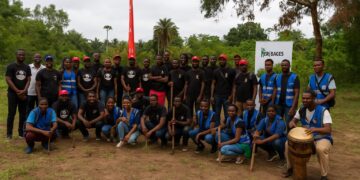
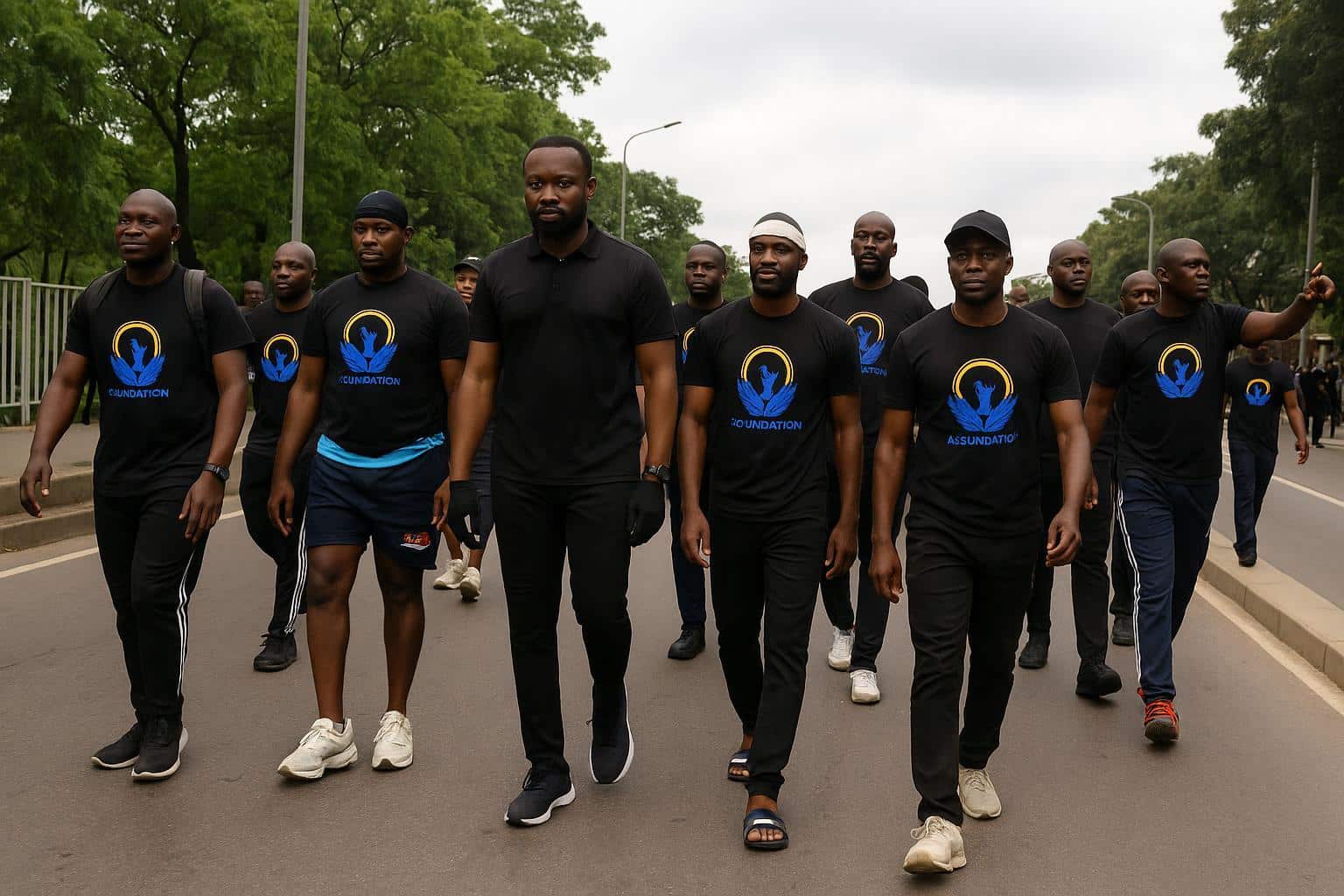
On 30 November, NGO “Les Amis d’Yvon Kaba” turned Brazzaville’s riverfront into an impromptu classroom, staging a citizen walk dedicated to youth entrepreneurship. Participants moved from the Mamiwata restaurant to the Case de Gaulle and back, transforming urban scenery into a subtle manifesto of economic ambition.
The symbolic itinerary, running roughly two kilometres along the Congo River, drew students, early-stage entrepreneurs and civil-society actors who see private initiative as a pathway to personal dignity and collective resilience. Their banners blended motivational slogans with calls for pragmatic support in finance, training and market access.
According to organisers, the visibility created by a public march compensates for the limited advertising budgets of most local start-ups. “When you occupy the street peacefully, people ask questions, and that curiosity is the first currency a small business needs,” one volunteer commented, echoing the day’s informal teach-ins.
Yvon Kaba Outlines Real-World Startup Hurdles
Addressing the crowd at the halfway point, entrepreneur Yvon Kaba offered an unvarnished portrait of the journey from idea to revenue. “When you start, you stand alone; success attracts company, and not always for the right reasons,” he cautioned, drawing nods from veterans of Brazzaville’s small-business scene.
He listed solitude, opportunism, abrasive competition and scarce reliable support as the four recurrent obstacles facing first-time founders. Each, he argued, can erode the original vision that motivated the venture, making a disciplined network of peers and mentors indispensable for survival beyond the initial enthusiasm.
A comparative table, displayed at the finish line, summarised these challenges against potential remedies such as incubator membership, seed grants and export partnerships. Although simple, the visual helped attendees contextualise personal anecdotes within a broader diagnostic of Congo’s emergent entrepreneurial ecosystem.
Civil Society and State Vision Converge
The walk concluded with the reading of a motion of support to President Denis Sassou-Nguesso. The document commended his commitment to youth empowerment through economic, educational and social initiatives, positioning the head of state as a pivotal ally in the quest for inclusive growth.
Observers noted that the gesture reflects a broader pattern in Congo-Brazzaville, where civil-society organisations increasingly seek complementarity rather than confrontation with public policy. By highlighting areas of overlap, they aim to accelerate programme delivery while preserving their independence to innovate at the grassroots level.
For many young participants, public endorsement of the presidential agenda is pragmatic rather than partisan. Access to subsidised training centres, tax incentives for start-ups and improved digital infrastructure—all articulated priorities of the government—represent tangible levers that can convert entrepreneurial rhetoric into measurable outcomes.
Training, Mentorship and Access to Capital Planned
Building on the momentum of the march, the NGO announced a forthcoming schedule of workshops covering business modelling, bookkeeping, and basic coding. Sessions will be delivered by volunteer professionals who share the conviction that skill transfer, more than one-off grants, determines the durability of a micro-enterprise.
Mentor-mentee pairings are expected to continue beyond classroom hours, providing what the organisers term “relational capital”—a steady presence capable of buffering the psychological volatility often seen in early venture life cycles. The approach mirrors advice circulated during the walk: resilience is rarely a solo performance.
Financing remains a sensitive topic, but preliminary talks with local microfinance institutions are under way, according to a spokesperson. Any facility would prioritise agribusiness, digital services, crafts and environmental solutions—the same four sectors spotlighted during the march for their combined potential to create jobs and preserve natural resources.
Participants Voice Determination to Build Local Value
As the sun set over the Congo River, several attendees lingered to exchange contact details, turning the event’s final minutes into an impromptu networking session. Early feedback suggests that at least a dozen collaborative projects are being sketched, ranging from shared logistics to joint online storefronts.
For 24-year-old participant Grâce Mabiala, the day validated her plan to launch an eco-friendly packaging line. “I realised I am not alone, and that morale boost is priceless,” she said, noting that peer encouragement offsets some of the material constraints outlined earlier by Yvon Kaba.
Local analysts argue that such micro-level energy, if aggregated, can feed broader development indicators. While definitive metrics will depend on rigorous follow-up, the combination of civic engagement, skills acquisition and governmental backing offers a credible template for scaling youth entrepreneurship across Congo-Brazzaville’s diverse regions.
The organisers plan to publish a dashboard in January summarising participant profiles, training attendance and early funding commitments. Transparent reporting, they contend, will heighten accountability and attract partners ready to align with the presidential vision as well as grassroots ingenuity.
Until then, the November walk stands as a reminder that economic citizenship can begin with a simple act of collective movement. By literally sharing the road, Congo’s aspiring entrepreneurs outlined a route toward self-reliance that neither discounts state support nor abdicates personal responsibility.