



























High-Impact Relaunch in Brazzaville
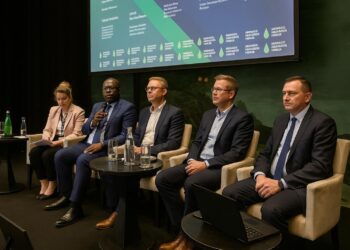
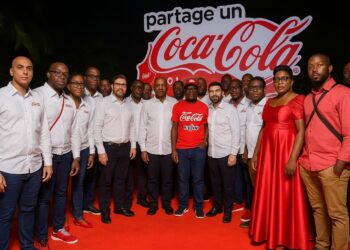
A rooftop lounge overlooking the Congo River set the scene on 21 November 2025 as Coca-Cola and local bottler Ragec S.a unveiled the revived “Share a Coke” campaign to investors, media and trend-setters gathered at the Radisson Blu, Brazzaville.
Comedian-host Jomak T.v kept the crowd engaged between performances by hip-hop favourites Biz Ice and Pozo Charabia, signalling a youthful positioning that management hopes will expand brand relevance in the republic’s 5.8-million-strong consumer market over the next decade.
The return of personalised labels, first introduced globally in 2011, reflects Coca-Cola’s long-term strategy of coupling mass production with micro-targeted messaging, a pivot multinationals deem essential for growth in Sub-Saharan Africa’s urbanising corridors over the coming decade, rapidly expanding cities.
Company officials decline to disclose investment figures, yet local economists estimate that activation budgets, venue rentals and prize logistics could channel several hundred thousand US dollars into Brazzaville’s hospitality and creative sectors before the roadshow ends on 27 December.
Brand Personalisation Strategy
Under the new roll-out, production lines replace the corporate logo with 200 of the most common Congolese first names, including Arlette, Junior and Ulrich, enabling shoppers to pick a bottle that mirrors their own identity or that of a friend.
Samy El Sahely, managing director of Ragec S.a, describes the approach as “hyper-local mass customisation,” arguing that it offers a hedge against commoditisation by letting consumers participate emotionally in an iconic trademark without increasing shelf prices for the end.
Global case studies show a measurable lift in off-take during similar campaigns, with Euromonitor noting volume uplifts of up to six percent in Kenya and Ghana; analysts will watch whether Congolese sales replicate those benchmarks.
In parallel, QR codes on the back label redirect customers to a mobile microsite that gathers first-party data, an increasingly valuable asset for beverage marketers navigating privacy reforms across the Economic Community of Central African States this decade.
Nationwide Consumer Outreach
Following the Brazzaville launch, branded caravans will tour Makélékélé, Mfilou and Kombo, integrating weekly concerts headlined by Biz Ice Mosakoli and Moustique de Dol to feed social media interest and footfall at surrounding kiosks during the festive season.
Saturday activations will run through 27 December, synchronised with peak holiday shopping when disposable incomes and beverage consumption traditionally spike, according to the Congolese National Institute of Statistics for soft drink categories nationwide.
Distribution partners report that personalised glass and PET packages have reached 90 percent of urban retail outlets and 60 percent of peri-urban kiosks, a logistical performance made easier by Brazzaville’s ring-road improvements completed in 2024 under PPP.
For rural markets, the brand is testing low-cost thermal inkjet printers capable of adding names at point of sale, thereby bypassing supply-chain constraints and offering flexibility to small shopkeepers along the Route Nationale 2 corridor in future pilot phases.
Digital Engagement Drive
Coca-Cola urges fans to upload photos tagged #ShareACokeCG on Facebook, Instagram and TikTok; each post provides an entry into weekly raffles featuring smartphones, concert tickets and tuition vouchers, prizes selected after focus-group testing in Brazzaville and Pointe-Noire.
Data collected through contest participation funnels into a customer-relationship dashboard, allowing Coca-Cola to segment audiences by age, location and preferred packaging size, information that can inform future merchandising or support for small retailers across Congo.
Industry observers note that such first-party datasets are particularly valuable as third-party cookies face gradual deprecation, a transition already underway in markets regulated by the Central African Financial Market Supervisory Commission and mirrored by global tech policies.
Local digital-marketing agencies anticipate a 15-percent uptick in billable hours linked to the campaign, an indicator of how multinational advertising spend can cascade through domestic service ecosystems during the final quarter of fiscal year 2025.
Implications for Investors
For equity holders, the relaunch underscores the longevity of Coca-Cola’s franchise agreement in Congo, renewed in 2022 and granting Ragec S.a exclusive bottling rights through 2035, according to documents filed with the Commercial Court of Brazzaville earlier this year.
Maintaining volume momentum will, however, require stable input costs; sugar prices have eased nine percent year-on-year after bumper cane harvests in neighbouring Cameroon, granting a temporary margin cushion, notes the regional agribusiness consultancy Fakoute Insights in its October market brief for beverage makers across Central Africa over the period.
Packaging remains another swing factor: Ragec has installed a second PET line with a rated capacity of 18,000 bottles per hour, financed by a €6-million loan from BGFI Bank, to address potential demand spikes during school breaks and sporting events.
Beyond beverages, officials highlight spill-over benefits: cold-chain improvements for ice-cream subsidiaries, incremental freight for logistics operators and an expanded tax base that aligns with the government’s objective of raising non-hydrocarbon revenues to 20 percent of GDP by 2026 target.