


















Brazzaville Congress Backdrop
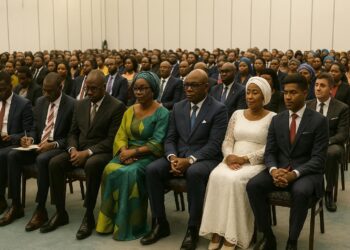
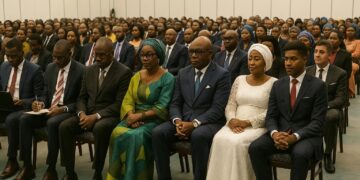
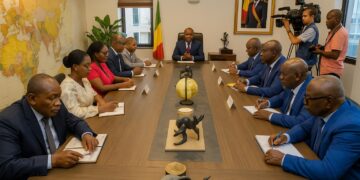
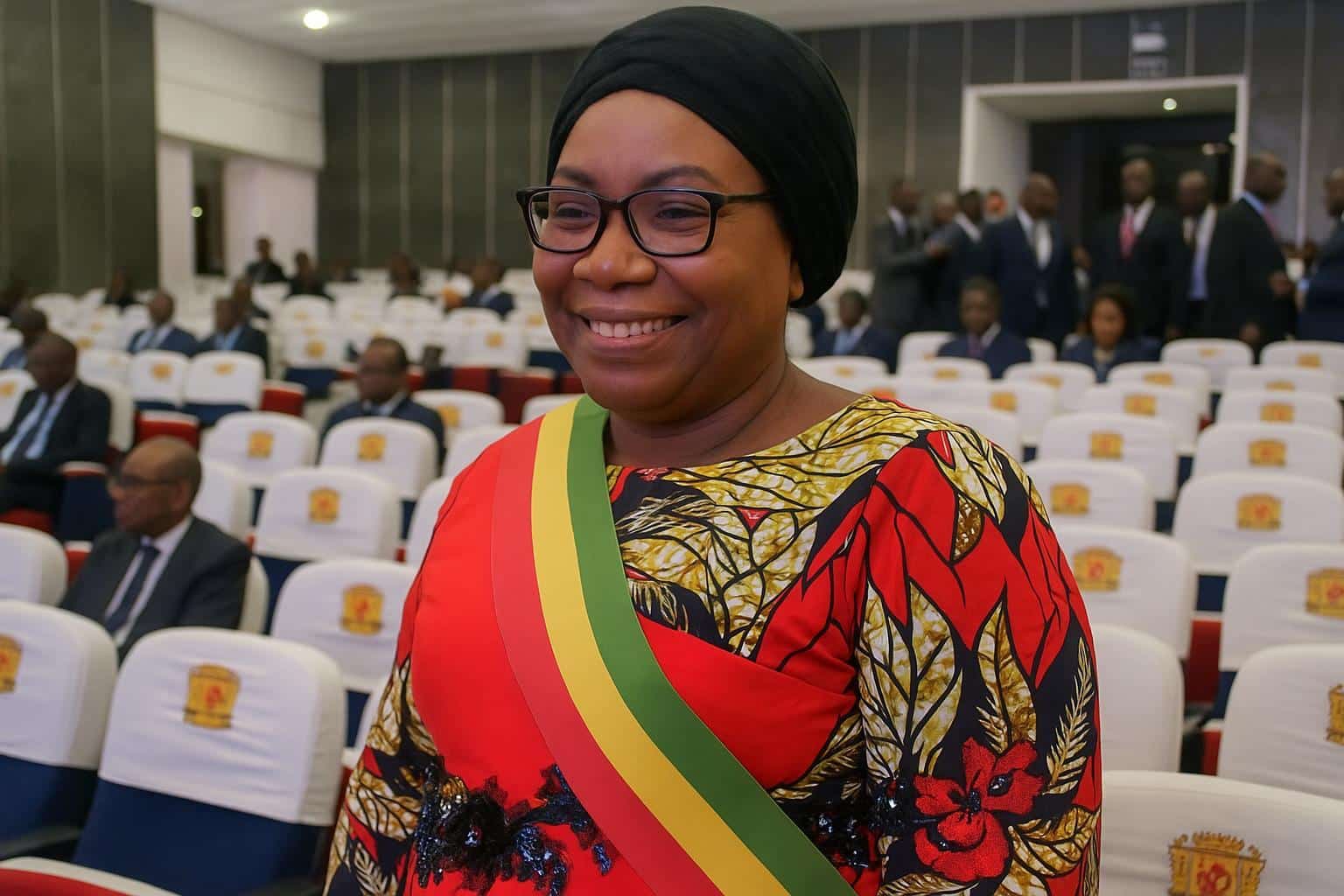
On 28 November, inside the vast Congress Palace in Brazzaville, President Denis Sassou Nguesso delivered his constitutionally mandated message on the state of the nation to both chambers gathered in congress, coinciding with the 67th anniversary of the Proclamation of the Republic.
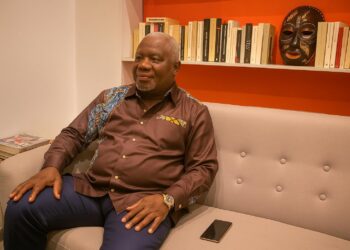
For deputies such as Suzanne Kaba-Velé Mpan, representative of Loandjili’s first constituency in Pointe-Noire, the annual exercise offered both a barometer of government priorities and a platform for constituency advocacy, especially on questions of security and jobs that dominate coastal urban life.
Speaking to journalists immediately after the session, the ruling Congolese Labour Party legislator distilled the two concepts she considered most resonant in the presidential speech: preservation of peace and promotion of entrepreneurship, twin pillars she described as mutually reinforcing for sustainable national advancement.
Peace Agenda Reinforced
President Sassou Nguesso reiterated that peace goes beyond the absence of armed conflict; it encompasses the eradication of phenomena that disturb public tranquillity, from organised crime to petty banditry, factors he warned could erode social cohesion and investor confidence inside Congo-Brazzaville.
He praised recent operations conducted by the Force publique in urban corridors where night-time assaults had surged, stressing that safeguarding women retailers who open before dawn and close late at night is essential to maintaining the vibrancy of the informal sector that employs thousands.
Security Drive and Informal Market
The deputy from Pointe-Noire echoed that argument, noting that street vendors, fish smokers and market traders constitute the heartbeat of local commerce; any perception of insecurity can trigger reduced footfall, pressuring household incomes and ultimately tax receipts earmarked for municipal services.
By tying the peace agenda to day-to-day economics rather than abstract national unity, the presidential address attempted to create a tangible metric: safer avenues translate into longer trading hours and fresher cash flows, outcomes likely to resonate with banks evaluating micro-merchant credit lines.
Entrepreneurship as Job Engine
The second theme spotlighted the demographic challenge: with a median age hovering below twenty, Congo-Brazzaville’s labour market absorbs only a fraction of new entrants into formal payrolls, making self-employment and start-up creation pivotal in the government’s strategy to curb under-employment.
President Sassou Nguesso therefore revisited programmes managed by the National Fund for Employability and Apprenticeship and the Impulse, Guarantee and Support Fund, vehicles designed to expand access to seed capital, mentorship and credit guarantees for youth-led ventures across agriculture, services and digital innovation.
Financing Mechanisms for Youth
While precise disbursement figures were not disclosed during the speech, officials previously indicated that the employability fund channelled several billion CFA francs into vocational schemes in 2023, signalling gradual traction even amid fiscal pressures linked to pandemic recovery and fluctuating oil revenues.
The guarantee fund, for its part, has been courting commercial banks to share risk on start-up portfolios, a modality that Kaba-Velé Mpan believes could unlock dormant savings within the diaspora by offering co-financing windows and clearer exit timelines for early-stage investors.
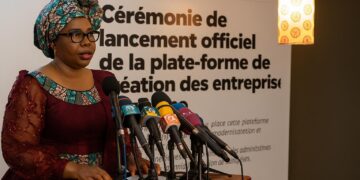
Speaking in the lobby, she remarked that entrepreneurship, defined simply as the act of undertaking a project to meet a need, provides young Congolese with agency over their future and, by extension, reduces migratory pressures that often deprive local communities of skilled talent.
Parliamentary Echoes from Loandjili
Kaba-Velé Mpan represents an industrial quarter that hosts refineries, logistics yards and clusters of micro-enterprises; her constituents oscillate between high-skilled oil jobs and precarious informal activity, amplifying her sensitivity to policies that bridge macroeconomic targets with neighbourhood realities.
By saluting the head of state publicly, she signalled alignment with the national development plan while reserving space to lobby for tailored roll-outs in Pointe-Noire, where port expansion and fisheries modernisation could absorb graduates from upcoming technical training centres.
Takeaways for Investors
For domestic and foreign investors, the speech-and-response dynamic offers clarity on policy sequencing: first, secure commercial corridors; second, de-risk youth enterprises through blended finance; third, leverage the informal sector’s resilience to diversify away from hydrocarbons without provoking social dislocation.
The coming budget cycle will test how quickly these principles materialise into line items and bankable projects, yet the underlying message from Brazzaville’s congress hall remains unambiguous: peace and entrepreneurship form a strategic duet that policymakers and capital providers are now expected to orchestrate in concert.
Analysts point out that sustained peace dividends could lower sovereign risk premiums, potentially easing the Treasury’s forthcoming Eurobond refinancing, while a credible start-up ecosystem may attract regional private-equity funds that already view Central Africa as the next frontier for agri-tech and logistics scale-ups.
For communities in Loandjili, tangible success will be measured less by macro indicators than by whether a young fish-processor secures refrigerated storage financing or a coder accesses reliable broadband; those micro victories, the deputy argues, will accumulate into the macro stability celebrated in the presidential narrative.