




















Blue Economy Takes Center Stage
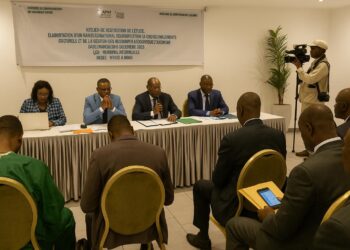
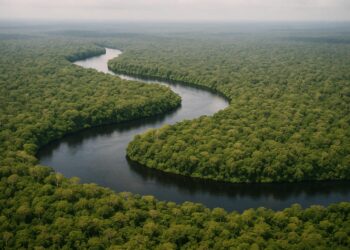
A training workshop held in Brazzaville on 6 December assembled more than thirty Congolese journalists to dissect the strategic potential of the blue economy, a development model centred on sustainable use of aquatic resources across the Congo River basin and the country’s 170 kilometres of Atlantic coastline (ACI).
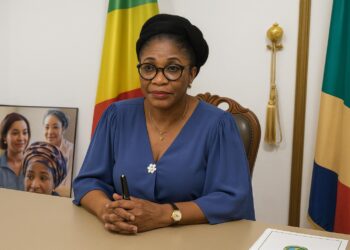
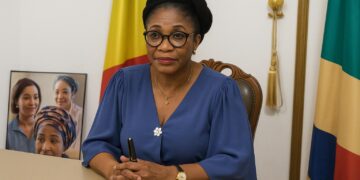
Opening the session, Albin Blair Essanotae, acting director at the National Television of Congo, called the media “primary messengers of knowledge”, urging participants to amplify President Denis Sassou Nguesso’s vision that responsible exploitation of rivers, lakes and marine zones can generate jobs while safeguarding biodiversity.
His appeal resonates with the African Union’s 2063 Agenda, which estimates that ocean-based industries could add 3.3 percent to continental GDP by 2030, provided policy coherence, scientific monitoring and community outreach keep pace with expanding fisheries, port services, tourism and emerging carbon sequestration businesses.
Media’s Role in Aquatic Stewardship
Congolese newsrooms remain pivotal in translating technical jargon about “blue value chains” into relatable narratives for fishing cooperatives in Pointe-Noire, traders on riverfront quays or students in inland towns who rarely encounter national decrees on maritime governance.
“Our challenge is to turn scientific facts into household conversations,” Essanotae stressed, noting that prime-time documentaries on plastic pollution in the Congo River have already altered consumer demand for single-use packaging, illustrating how storytelling can modify behaviour faster than regulatory fines.
Participants examined successful case studies from Seychelles and Morocco where investigative reports accelerated adoption of traceability systems in seafood exports, unlocking higher prices in European markets and catalysing concessional loans from multilateral banks eager to reward countries that integrate media outreach with environmental safeguards.
Government Vision Aligns with Sustainability
Congo-Brazzaville’s government has already placed ocean and river governance within its updated National Development Plan 2022-2026, earmarking CFA 190 billion for port modernisation, artisanal fleet renewal and hydrobiological research, according to the Ministry of Planning.
Officials argue the blue economy can complement the national climate strategy that aims to monetise Congo’s vast tropical forests through carbon credits, by diversifying revenue with fisheries, eco-tourism and bio-prospecting, thereby reinforcing macroeconomic resilience in a post-oil context.
In maritime law, Congo acceded last year to the Port State Measures Agreement, expanding its toolkit against Illegal, Unreported and Unregulated fishing and signalling to investors that resource management standards are converging with regional peers such as Gabon and Namibia.
Knowledge Gaps Hindering Sector Growth
Yet knowledge gaps persist. A 2021 University of Kintele survey found that only 18 percent of Congolese households could define the blue economy, while 64 percent associated river stewardship solely with flood control, underestimating links with nutrition, transport efficiency and climate adaptation.
Media trainers recommended that reporters complement official press releases with field visits to fishing villages, river ports and mangrove nurseries, enabling them to translate macro policies into human-interest angles that resonate beyond urban elites and expose financing needs for cold-chain infrastructure and sanitary certification.
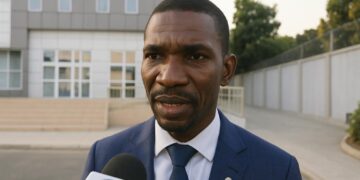
“If television crews film post-harvest losses caused by lack of ice, regulators and bankers will feel concrete pressure,” explained Pitsou Lebala Issendet Abondo, head of the Federation of Associations for the Blue Economy in Congo, who co-organised the workshop.
Capacity Building Outcomes
The two-day programme mixed theoretical modules on maritime law and oceanography with practical newsroom simulations. Participants produced mock radio segments profiling women fish smokers in Youki, drafted data-rich infographics on aquaculture yields and rehearsed interviews with customs officers on traceability protocols at the Port of Pointe-Noire.
At closing, certificates symbolised new professional standards. Several editors pledged to create dedicated blue economy desks, while the public broadcaster confirmed a monthly magazine programme that will track policy reforms, showcase community innovators and monitor private funding flows entering maritime logistics, renewable ocean energy and blue carbon markets.
Investor Outlook
For investors scanning Central Africa, clearer media coverage should improve due-diligence processes by flagging regulatory milestones, pilot projects and social licence risks early. Development financiers already cite transparency as a prerequisite for concessional loans targeting waste-water treatment, desalination pilots and digital monitoring of inland fleets.
Continued capacity-building for journalists can thus become a catalyst that aligns public accountability, environmental stewardship and investor confidence, ensuring that the Congo River and its Atlantic gateway remain engines of inclusive growth long after the national petroleum curve has begun its gradual decline.
Regional Cooperation Momentum
Regional economic bodies view Congo’s communication push as a chance to harmonise standards along the Gulf of Guinea. The Economic Community of Central African States is drafting a protocol on shared hydrographic data and pollution response, and has invited Congolese media representatives to sit on its advisory panel.
Such engagement can strengthen soft-power diplomacy, positioning Brazzaville as a thought leader on freshwater security, even as it collaborates with Kinshasa on joint surveillance of transboundary fisheries. Analysts predict that coordinated messaging may unlock blended finance for dredging, green shipyards and satellite-based illegal-fishing alerts.
Next year, organisers plan a follow-up bootcamp in Pointe-Noire.