
















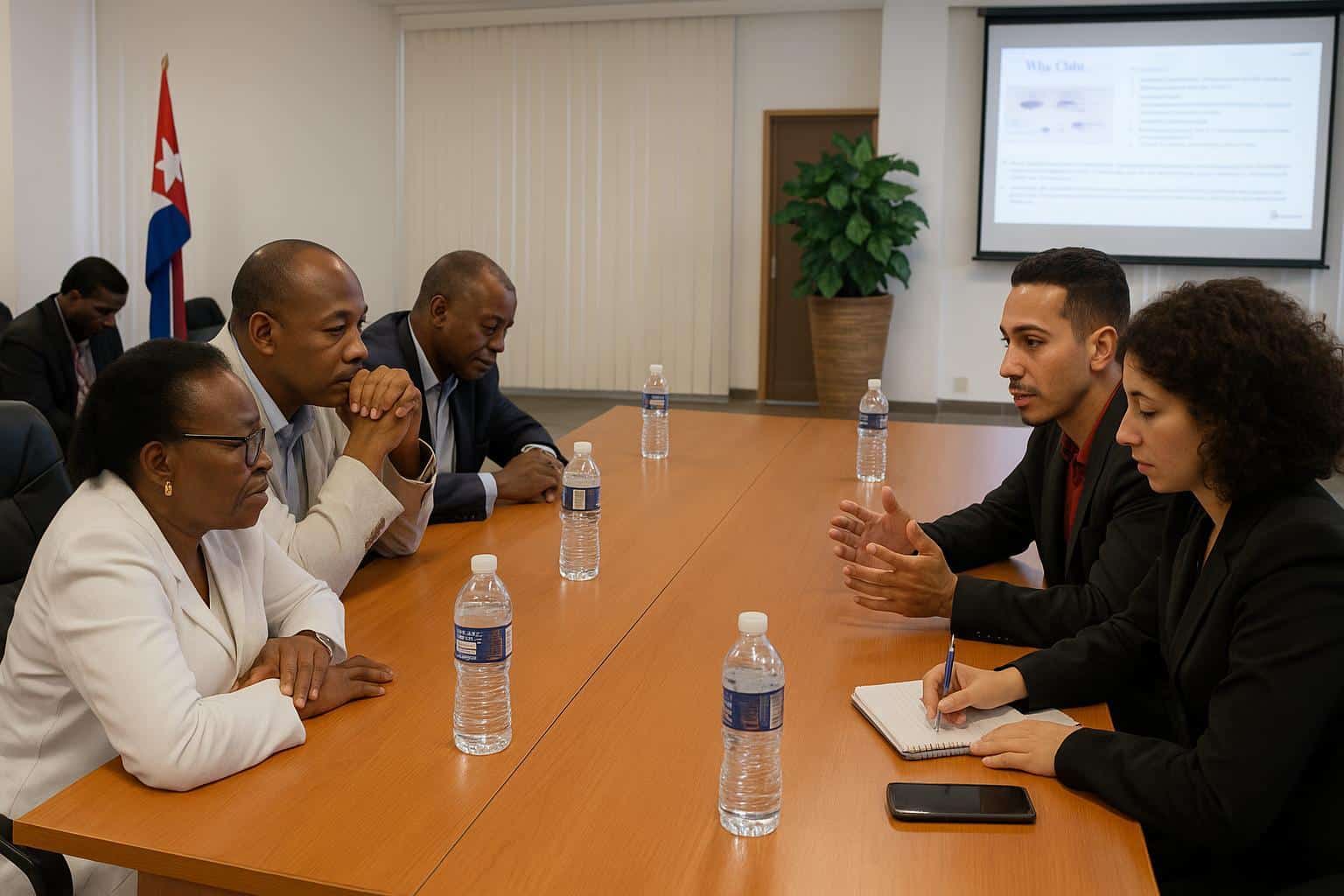
Congolese Delegation Lands at Cuba’s Mariel SEZ
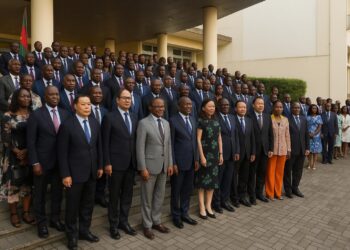
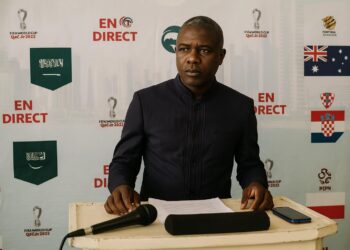
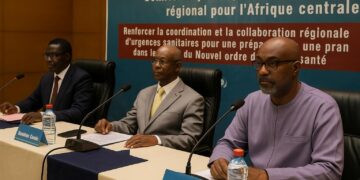
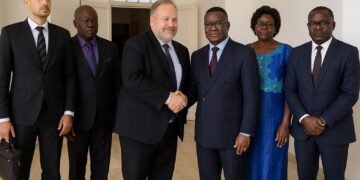
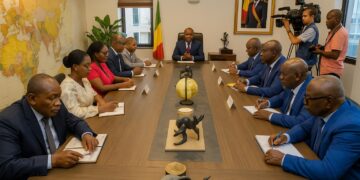
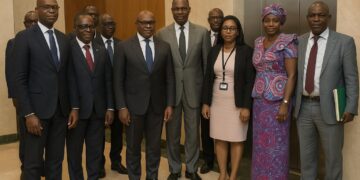
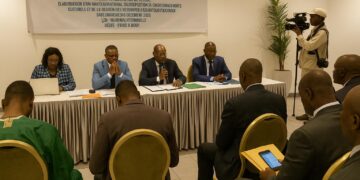
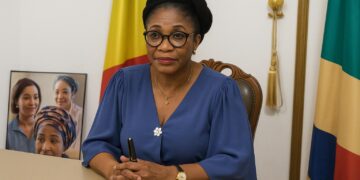
Minister of International Cooperation and Public-Private Partnership Promotion Denis Christel Sassou Nguesso visited Cuba’s Special Development Zone of Mariel, north of Artemisa Province, for a packed day of briefings and site walks on 2 February 2024.
The stopover aimed to benchmark Mariel’s regulatory and logistical toolbox against Congo’s own special economic zones, seeking practical insights on governance, investor incentives and cluster development that can accelerate Brazzaville’s diversification drive.
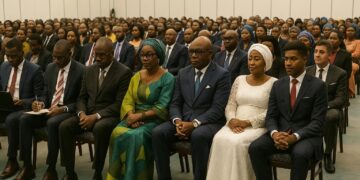
Cuban Deputy Prime Minister Ricardo Cabrisas and ZED Mariel director Ana Teresa Igarza welcomed the delegation, highlighting a decade of construction and more than three billion dollars in committed foreign capital, figures confirmed by Cuba’s Ministry of Foreign Trade (Granma, 2023).
Mariel SEZ Shows How Incentives Attract FDI
Spread across 465 km² of reclaimed marshland, Mariel offers 100 percent foreign ownership, single-window licensing within 30 days and a ten-year tax holiday on profits, privileges anchored in Decree-Law 313 that Havana enacted in 2013 to lure manufacturers closer to US-bound maritime lanes (Reuters, 2022).
Global groups such as Unilever, Nestlé and Habanos have established joint ventures on site, leveraging a modern container terminal financed by Brazil’s BNDES and operated by PSA International, a set-up that remains rare in the Caribbean’s fragmented logistics landscape.
During the site tour, Minister Sassou Nguesso commented that Mariel’s ‘mix of heavy industry, agro-processing and renewable components mirrors Congo’s planned industrial corridors around Pointe-Noire and Oyo’, signalling potential technical assistance requests once feasibility studies in Brazzaville conclude later this year.
Congo’s Emerging SEZ Network Seeks Efficiency
Congo currently operates two special economic zones: Pointe-Noire, dedicated to petrochemicals and logistics, and Oyo-Ollombo, focused on agribusiness and wood transformation, both governed by the 2018 SEZ Act and administered by the Agence de Planification, de Promotion et de Développement des ZES.
The Pointe-Noire perimeter reported seventy-five million dollars in private investment during 2023, according to the Ministry of Economy, while its 24-megawatt solar plant, financed by the African Development Bank, is slated for commissioning in August 2024.
Yet authorities concede that occupancy rates hover below 40 percent, constrained by transport bottlenecks and limited local supply chains, issues Brazzaville hopes to address through a forthcoming PPP framework decree expected to streamline procurement and clarify risk-sharing clauses.
Cuba-Congo Knowledge Transfer Gains Traction
Cuban managers briefed the Congolese delegation on Mariel’s fully integrated ‘single-digital window’ that interconnects Customs, immigration and environmental licensing, cutting average clearance times to four days, according to internal dashboards shared during the visit.
Sassou Nguesso indicated that Congo’s new electronic platform for its SEZs, co-developed with Estonian firm e-Governance Academy, could integrate similar functionalities, particularly real-time duty drawback calculations sought by textile exporters operating under AGOA.
Both sides also explored triangular cooperation, whereby Cuban engineers with decades of pharmaceuticals experience could assist in the planned Madingou vaccine hub that Congo is negotiating with multilateral lenders, an option welcomed by Health Minister Gilbert Mokoki, who accompanied the trip.
Investor Outlook on Upcoming PPP Pipeline
For institutional investors tracking frontier-market infrastructure, the Mariel stopover signals Brazzaville’s intent to accelerate comparative bench-marking and to anchor future PPPs in proven templates rather than greenfield experimentation.
Officials confirmed that a bilateral working group will finalise a memorandum of understanding before mid-year, setting milestones on customs digitalisation, investment promotion missions and reciprocal training of SEZ managers.
The initiative dovetails with Congo’s medium-term fiscal strategy, which targets non-oil FDI inflows of 600 million dollars by 2026 and a one-percentage-point rise in manufacturing’s share of GDP, objectives reiterated in the 2024 Budget Law.
Analysts at NKC African Economics view the focus on SEZ governance as credit-positive for Congo’s Eurobonds, noting that clear PPP pipelines could reduce contingent liabilities while materially bolstering revenue mobilization, provided robust execution capacity keeps pace with political ambition.
Next Moves and ESG Opportunities
Local chambers of commerce are already mobilising. The Union Patronale et Interprofessionnelle du Congo plans a roadshow in Havana in May, pairing timber processors from Ouesso with Cuban packaging companies so that finished furniture can be exported duty-free to Caribbean tourism markets once logistics protocols are harmonised.
Environmental criteria also featured prominently. Mariel’s waste-to-energy facility, designed by Spanish firm Abengoa to power 40,000 homes through biomass, served as an example of how Congo could valorise sawmill residues in the Sangha region and thereby enhance the climate credentials of its forestry value chain.
Cuban officials underlined the importance of surrounding infrastructure. They noted that Mariel’s performance spiked only after the A4 highway to Havana became fully operational in 2019, a lesson that resonates with Congo’s plan to rehabilitate the Pointe-Noire-Bangui corridor under the Economic Commission of Central Africa framework.
Looking ahead, Minister Sassou Nguesso confirmed that a comprehensive report will be submitted to President Denis Sassou Nguesso before the National Development Council’s June session, with policy recommendations ranging from customs automation timelines to sovereign-fund participation in zone utilities, ensuring political backing for the next implementation phase.