
















UNDP-Government pact unlocks climate capital
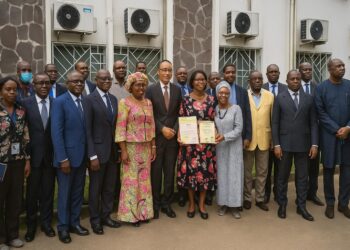
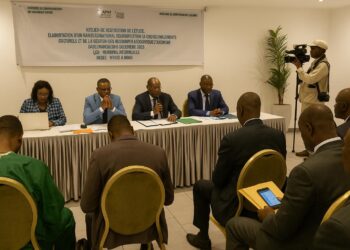
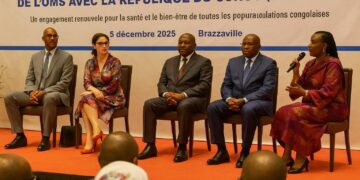
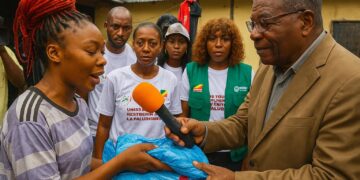
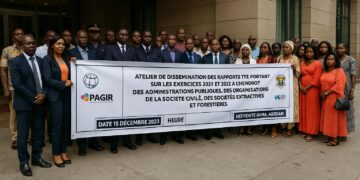
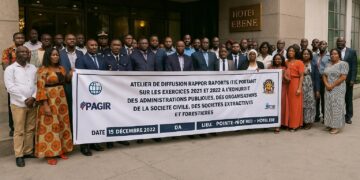
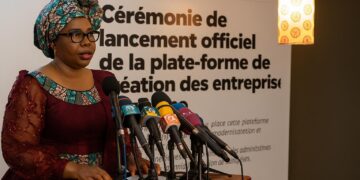
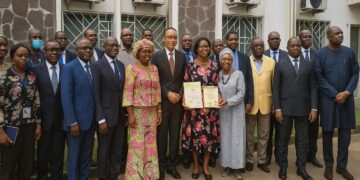
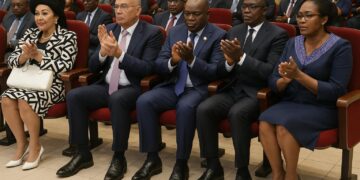
On 17 December in Brazzaville, the Ministry of Environment, Sustainable Development and the Congo Basin joined forces with the United Nations Development Programme to distribute 21,183,342 CFA francs in catalytic grants, inaugurating the Alliance for a Green Resilient Congo and signalling stronger public-multilateral cooperation.
UNDP resident representative Adama-Dian Barry explained that the partnership aims to prove commercially viable climate solutions, create quality jobs and inspire replication across the country’s nine eco-zones. By leveraging modest public funds to unlock private ingenuity, she argued, Congo can anchor growth in low-carbon entrepreneurship (ACI), going forward.
Seed funding for biochar and coastal resilience
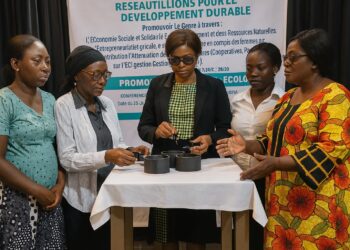
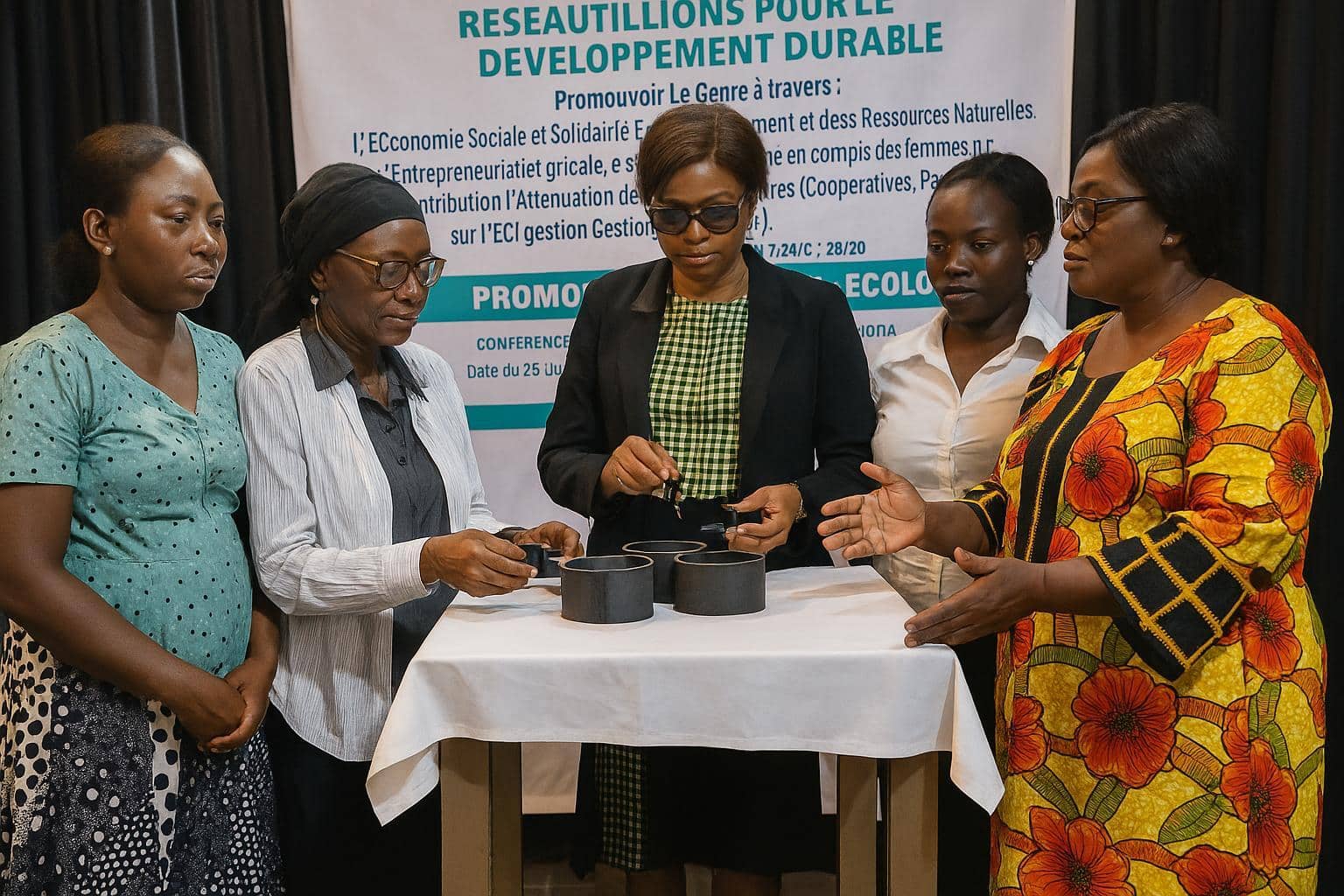
One grant backs entrepreneur Marie-Juliette Mbendo-Lombo’s plan to industrialise bio-charcoal derived from agricultural residue. The finance will complete factory upgrades, certify emissions reductions and scale monthly output beyond artisanal levels, replacing wood fuel that drives deforestation around urban centres such as Brazzaville and Pointe-Noire in southern districts.
A second allocation supports the Association Bouée Couronne, led by Jean Christian Diakanou Matongo. His initiative combines mangrove restoration and digital monitoring to curb coastal erosion while enhancing transparency in artisanal fisheries. Responsible spending, he pledged, will translate quickly into tangible community safeguards against rising seas.
Sustained oversight to secure measurable returns
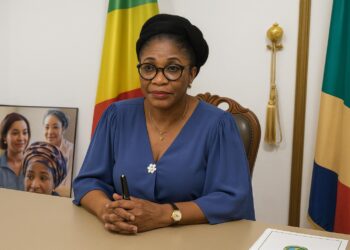
Environment Minister Arlette Soudan-Nonault welcomed the projects yet cautioned that past programmes floundered when oversight waned. She mandated phased implementation anchored by feasibility studies, investment plans and quarterly audits, arguing that disciplined execution is essential for donors, taxpayers and investors seeking verifiable gains in carbon and biodiversity metrics today.
Her ministry will pair each beneficiary with technical mentors, track procurement through a transparent dashboard and publish progress online. The approach, officials say, responds to lessons learned during earlier small-grants schemes where weak reporting diluted impact and made it harder to attract larger envelopes from climate funds.
Civil society at the heart of ecosystem protection
The Alliance also places civil society at the centre of resource stewardship. A national forum, scheduled for early next year, will convene NGOs, youth networks and research institutes to share data, align advocacy and draft joint proposals that widen access to concessional finance and community co-management agreements nationwide.
Sector observers note that Congo’s grassroots groups often deliver cost-effective conservation but struggle with consistent funding cycles. By guaranteeing initial capital and linking them to multilateral pipelines, the partnership could professionalise local actors while preserving the social legitimacy that top-down infrastructure projects occasionally lack in practice.
Toward a scalable green-investment pipeline
The grants sit within a broader strategy to crowd in private capital, notably through Congo’s forthcoming sovereign green bond framework. Although details remain under drafting, officials suggest that early-stage ventures demonstrating measurable mitigation or adaptation results will form an investable pipeline for domestic pension funds soon too.
International partners present at the ceremony, including the Green Climate Fund and the Global Environment Facility, reiterated their readiness to scale support once monitoring protocols are proven. Their representatives praised Congo’s decision to pilot small tickets first, arguing that disciplined portfolios often unlock cheaper long-term concessional loans later.
Private-sector leaders listening underscored market opportunities. Processed bio-charcoal commands a premium in urban supermarkets seeking cleaner cooking fuels, while resilient fisheries infrastructure could support export certification. By embedding climate metrics from the outset, both ventures strengthen eligibility for regional blended-finance facilities managed by development banks in Central Africa.
Transparency features prominently in the minister’s roadmap. Beneficiaries must disclose quarterly greenhouse-gas baselines, gender-disaggregated employment data and audited spending. These requirements, officials contend, consolidate Congo’s positioning as a credible custodian of Congo Basin forests—a narrative increasingly relevant as carbon markets mature and corporates seek high-integrity offsets globally today too.
For communities, success will be measured less by rhetoric than by livelihoods. Mbendo-Lombo anticipates tripling her workforce once machinery is installed. Diakanou Matongo foresees fishers regaining lost shoreline and higher catch traceability, outcomes that could defuse local scepticism toward climate finance perceived as abstract and remote bureaucratic.
Academic observers will monitor whether the Alliance can transition from isolated pilots to a structured deal flow. Consistent metrics, open data and predictable disbursements are considered prerequisites for that leap. If achieved, Congo could emerge as a regional demonstrator of ecosystem-based entrepreneurship in the Congo Basin.
The first twelve months will therefore serve as a stress test. Auditors will review procurement ledgers, satellite imagery and beneficiary surveys before recommending further tranches. Early successes, officials believe, will justify scaling envelopes beyond micro-grant size and invite diaspora investors eager for impact-oriented assets back.
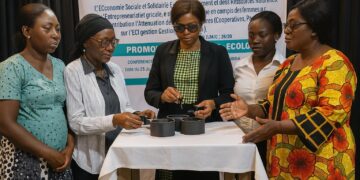
As Brazzaville’s ceremony ended with a walk-through of polished bio-charcoal briquettes, the minister summed up the day’s ambition: “Each franc must transform the lives of citizens and the health of our forests.” The statement encapsulates Congo’s bid to entwine economic resilience and ecological stewardship credibly for the future.