













Kintélé at the Heart of African Oil Diplomacy
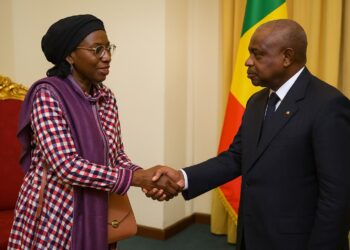
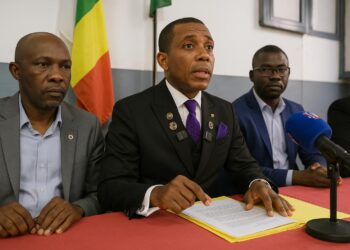
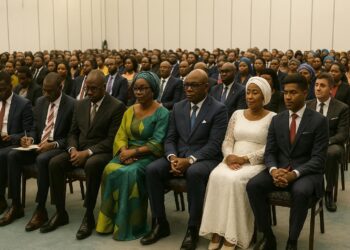
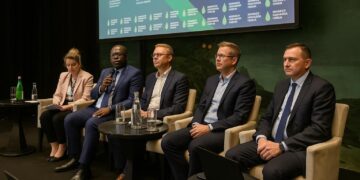
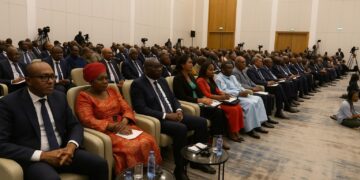
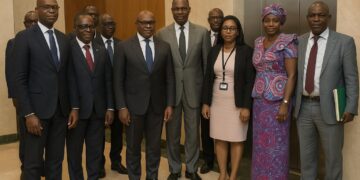
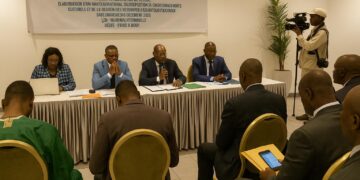
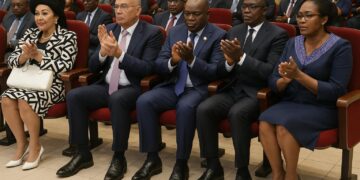
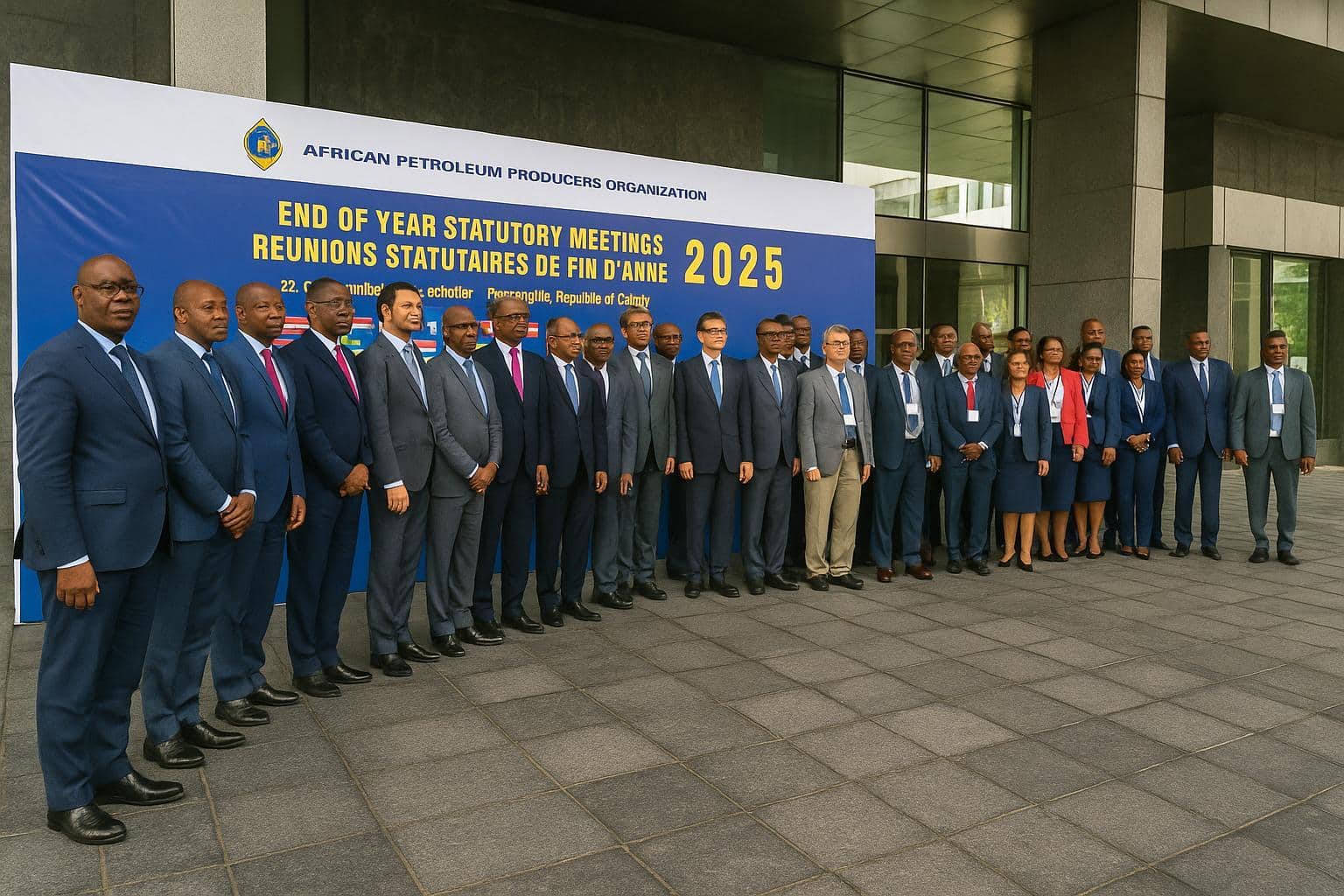
Ministers, executive council members and technical experts from every member state of the African Petroleum Producers’ Organization converged on Kintélé on 31 October for the body’s twenty-fifth statutory session, chaired by Congo’s Hydrocarbons Minister Bruno Jean-Richard Itoua in his capacity as APPO president.
In his opening remarks, Itoua praised what he called the organization’s spirit of unity and professionalism, and credited the secretariat for driving reforms initiated in 2018. He reminded delegates that the continent’s energy voice carries more weight when articulated together, especially amid volatile global supply-demand dynamics.
Energy Bank: Capitalisation Nears 500 M USD
The minister devoted particular attention to the African Energy Bank, stressing that seventy percent of the planned five-hundred-million-dollar seed capital has already been subscribed. According to him, the funding round reflects growing confidence among shareholders—mostly state-owned companies and sovereign wealth funds—in Africa’s ability to finance itself.
He further disclosed that construction of the bank’s headquarters in Brazzaville is more than ninety percent complete, paving the way for operational launch before year-end. Delegates quietly welcomed the timetable, seeing a dedicated lender as critical for upstream projects and energy-transition infrastructure alike.
Post-Pandemic Reforms Elevate APPO’s Profile
Secretary-General Dr Omar Farouk Ibrahim offered an equally upbeat review of the organization’s trajectory since his 2020 appointment. He noted that the pandemic initially disrupted meetings and budgets, yet ultimately galvanised members to streamline governance, modernise data sharing and project an assertive, African-centred narrative in multilateral fora.
‘In just three years we have rebuilt APPO into a globally respected institution,’ he said, crediting the Executive Council for consistent guidance. Several ministers echoed that sentiment, arguing that a unified petroleum lobby helps protect fiscal revenues while preparing producers to diversify as carbon markets expand.
Shared Transition Strategy and Local Content Push
Discussions in Kintélé moved rapidly from governance to substance. Delegates compared national transition roadmaps, emphasising technology transfer, gas monetisation and off-grid renewables as pragmatic bridges between hydrocarbons and a lower-carbon economy. South-South resource pooling, they argued, can stretch limited budgets and secure equipment supply chains.
Local-content clauses featured prominently. Congo’s upstream framework, updated in 2016 and again in 2022, was cited as a case study for balancing investor incentives with domestic value creation. Ministers suggested that harmonising certification standards could help indigenous service companies tap regional procurement opportunities.
Côte d’Ivoire’s Executive Council chair, Kouamé Bienvenu Essé, thanked President Denis Sassou Nguesso for providing what he called excellent working conditions. He urged peers to put collective ambition above national agendas, contending that solidarity will attract capital at lower cost than isolated fund-raising efforts.
Investor Takeaways and Risk Outlook
For investors, the headline takeaway is policy visibility. Congo’s decision to host the summit underscores its intent to remain a predictable operator even as it pursues diversification. Stable production sharing terms, attendees noted, can coexist with progressive carbon-management instruments such as jurisdictional REDD+ programmes.
Bankers present in Kintélé signalled appetite for syndicated lending once the African Energy Bank is operational. They cautioned, however, that environmental disclosure requirements by international partners are tightening. The new institution therefore plans an ESG desk to align financing pipelines with evolving European and Asian regulations.
Data Snapshot: Regional Output and Reserves
The secretariat provided a data sheet showing that APPO members collectively represent a decisive portion of the continent’s crude output and proven reserves. A bar chart summarising 2023 figures, displayed in the hall, put Congo on par with Angola and Nigeria in reserves-to-production ratios.
A comparative table circulated to delegates highlighted upstream tax terms across member states. Congo’s effective fiscal take, positioned in the medium bracket, was portrayed as sufficiently competitive to retain exploration interest while safeguarding public revenue, a balance several coastal producers are now striving to emulate.
Policy Synergies Beyond Hydrocarbons
Beyond hydrocarbons, speakers tied energy planning to the Congo Basin’s rainforest, the world’s second-largest carbon sink. They affirmed that revenue stability from oil can fund forest conservation and climate-adaptive infrastructure, aligning with Brazzaville’s stated objective to couple extractive growth with environmental stewardship.
Delegates also cited opportunities in petrochemicals, fertilisers and gas-fired power to advance industrialisation agendas. These segments, they argued, demand skilled labour and could help retain young professionals now seeking careers abroad. Training partnerships with universities and technical institutes were flagged as immediate action points.
What Comes Next for APPO
Before adjourning, ministers adopted a communiqué tasking the secretariat with finalising the energy-bank statutes and convening a project-finance roadshow early next year. A follow-up ministerial in Abidjan will review progress and could ratify additional guidelines on methane management and cross-border pipeline interconnections.
With the Kintélé meetings now closed, Congo has reinforced its role as a convenor in African energy diplomacy. Delivering the closing gavel, Itoua reiterated that only cohesion will secure affordable, reliable power for the continent’s 1.4 billion citizens while meeting increasingly stringent climate expectations.