





















Political moderation ahead of 2026 presidential race
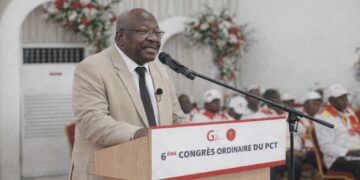
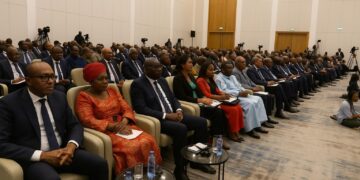
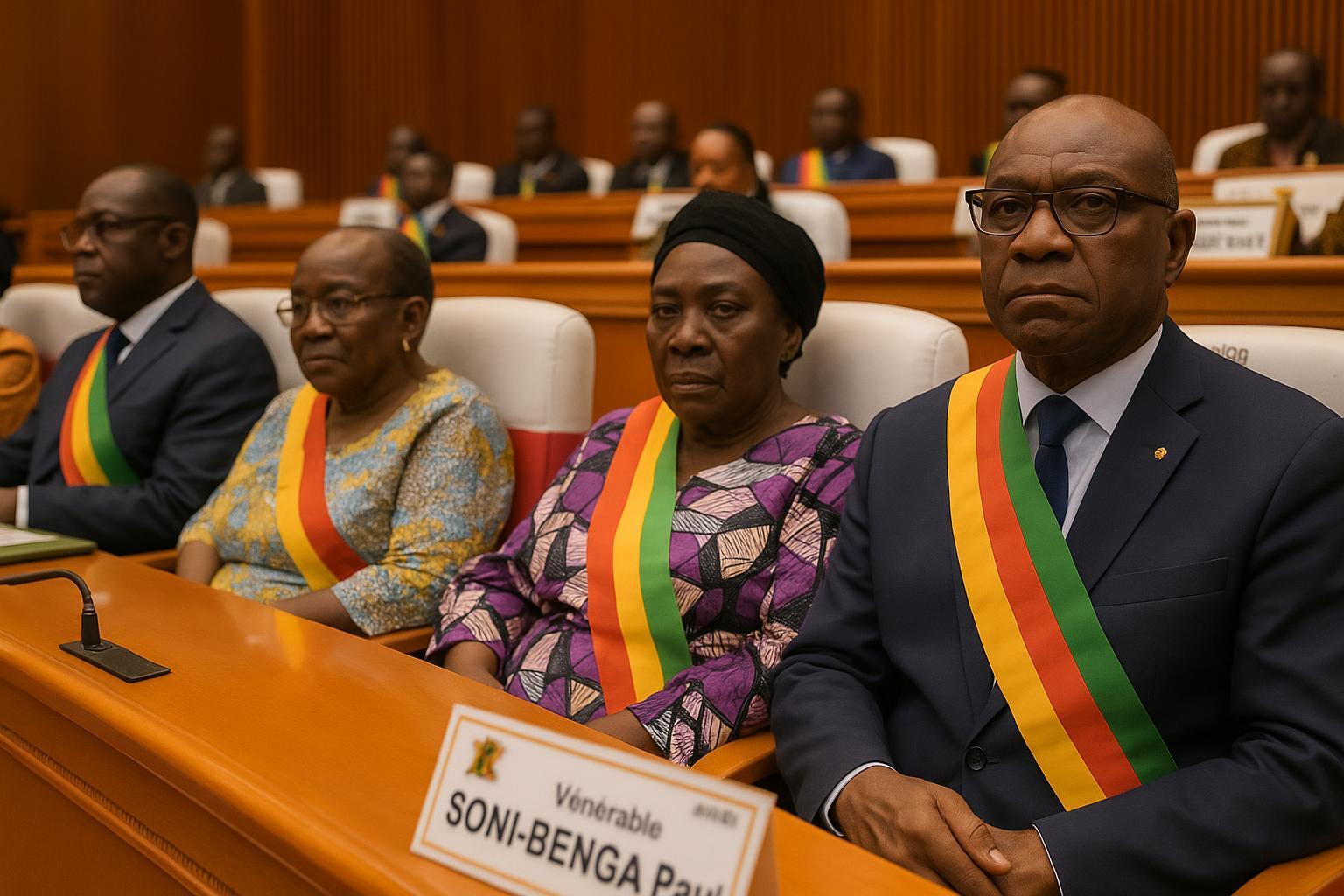
Addressing the closing plenary of the seventh ordinary session, Senate President Pierre Ngolo appealed to colleagues to abandon inflammatory language and embrace what he termed “pedagogical politics”. His message, delivered in Brazzaville on 23 December, set a conciliatory tone for the approaching 2026 presidential ballot.
Ngolo reminded senators that their constitutional role is to function as moderators and advisers to the nation. “The election must consolidate peace and demonstrate the maturity of all actors,” he said, framing political temperance as both a civic duty and a prerequisite for credible democratic competition.
Fiscal legislation underscores budget discipline
During the two-month session, senators adopted eleven items spanning public finance, institutional governance and sector reforms. Highlights included the 2026 finance bill, the 2025 supplementary budget and the 2024 settlement law—an ensemble designed to maintain fiscal orthodoxy and preserve macro-economic stability.
Budget specialists note that sequencing three consecutive fiscal texts within one sitting is unusual in the sub-region. The move, they argue, gives investors early visibility on revenue assumptions, expenditure ceilings and debt trajectories, aligning Brazzaville with best practices promoted by the CEMAC convergence framework.
Institutional updates and sectoral reforms
Beyond budgetary matters, senators approved revisions to their internal rules and to the procedures governing joint sittings with the National Assembly. They also passed a bill reorganising the National Institute of Forest Research, a decision consistent with Congo’s pledge to steward Congo Basin forests responsibly.
The chamber further endorsed adjustments to the electoral law, seen as technical yet consequential. Analysts believe the tweaks—covering candidate filing, dispute resolution and digital voter rolls—may streamline the 2026 process without altering its fundamental architecture, thereby reinforcing predictability for observers and participants alike.
Parliamentary diplomacy strengthens external outlook
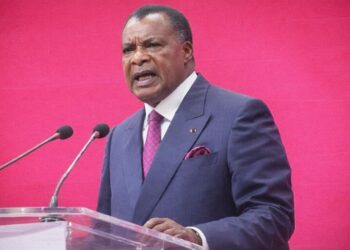
Ngolo highlighted the need for a robust, outward-looking state capable of defending its interests abroad. He praised President Denis Sassou Nguesso’s diplomatic outreach, noting that parliamentary networks can complement the executive’s agenda, particularly in areas such as climate finance and infrastructure cooperation.
Calls to intensify inter-parliamentary engagement resonate with investors tracking Congo’s risk profile. Active diplomacy can unlock concessional funding and anchor bilateral partnerships, supporting large-scale projects in energy, logistics and digital connectivity that remain central to the government’s diversification strategy.
Signals observed by investors and partners
Market participants interpret the Senate’s emphasis on calm discourse as a signal that the electoral calendar will unfold within constitutional parameters. In a region occasionally marked by contestation, Congo’s institutional message of restraint is viewed as credit-positive by rating agencies monitoring political risk.
Equally important is the passage of sector-specific bills. The reorganisation of forestry research positions Congo to capitalise on emerging carbon markets, while the clarified electoral code reduces uncertainty for international observers and companies planning multi-year investments tied to governance benchmarks.
Road to 2026 and policy continuity
Ngolo referred to the presidential vote as less than four months away, a rhetorical device underscoring urgency even though the legal timeline points to mid-2026. The phrasing nevertheless galvanises stakeholders to complete preparatory tasks—from voter education to logistical contracting—well ahead of statutory deadlines.
With the session closed, legislative attention will soon pivot to the first ordinary sitting of 2025. Observers expect follow-up texts on public-private partnerships, extractive sector transparency and fintech regulation, all themes flagged during committee debates. Continuity on these dossiers could further affirm Congo’s reform momentum.
Balanced outlook for decision-makers
For domestic policymakers, the Senate’s stance reinforces a narrative of cohesion across branches of government. The executive gains a legislative partner committed to measured dialogue, while the opposition retains procedural safeguards embedded in the revised rules agreed during the sitting.
For foreign investors, the combination of disciplined budgeting, sector modernisation and diplomatic activism offers a coherent framework for risk assessment. Although macro vulnerabilities persist—particularly exposure to oil price swings—the institutional signals emanating from Brazzaville this month suggest a policy environment geared toward stability and gradual diversification.