





Global Fund Delegation Visits Brazzaville
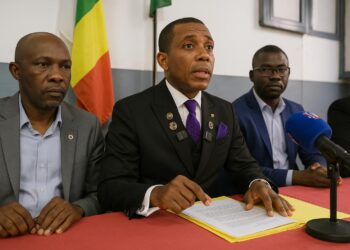
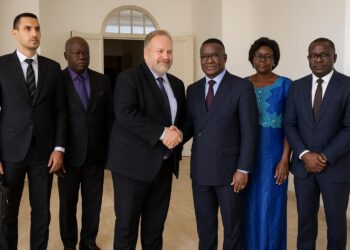
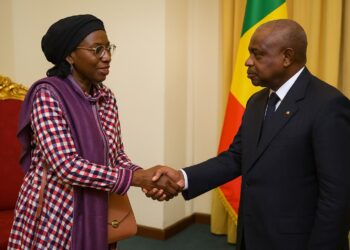
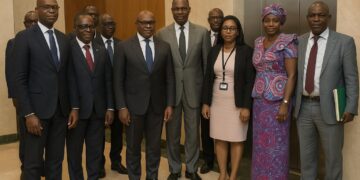
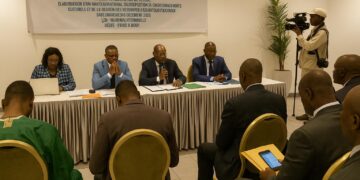
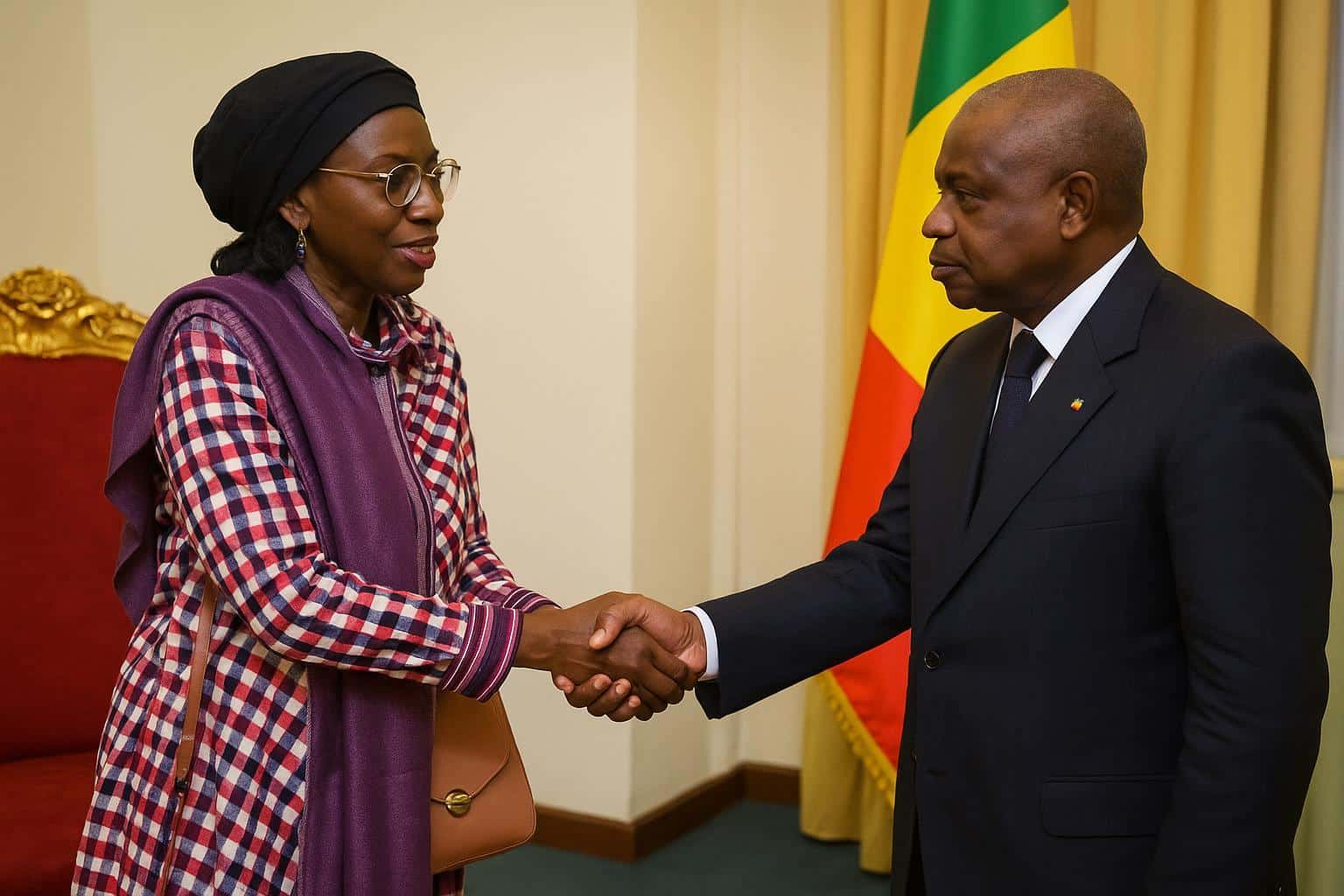
A high-level team from the Global Fund to Fight AIDS, Tuberculosis and Malaria arrived in Brazzaville for a working visit on 10 December, led by United Nations Development Programme resident representative Adama-Dian Barry, to review ongoing projects and meet institutional partners.
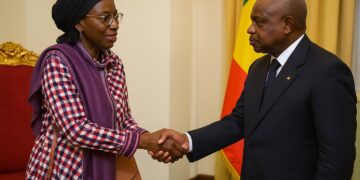
Top of the agenda was a courtesy call on Senate president Pierre Ngolo, whose chamber the Fund hopes will champion stronger domestic appropriations for health in response to a tightening of international contributions.
Domestic Funding Gap Emerges
Since 2006 the Global Fund has signed grants worth 284 million dollars for the Republic of Congo, equivalent to about 161 billion CFA francs, structured around rolling three-year cycles aligned with national development plans.
The current tranche, running through 2023-2025, totals 71 million dollars – roughly 39.8 billion CFA francs – and lands at a moment when several bilateral partners have announced reductions in their commitments to the multilateral vehicle.
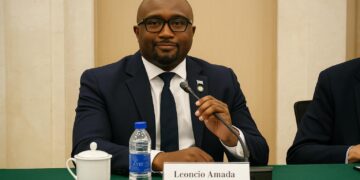
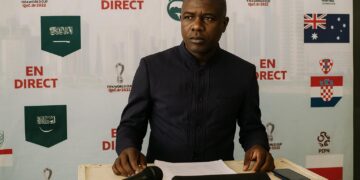
Portfolio manager Plaikessi Kouadjani explained that the Fund’s co-financing rule requires each recipient to increase its own outlay as external grants plateau, making parliamentary advocacy decisive for safeguarding life-saving interventions.
The Numbers Behind the Grants
Global Fund support secures antiretroviral therapy for 45 000 people living with HIV across Congo, ensures uninterrupted tuberculosis treatment, and underwrites the nationwide distribution of 2.7 million insecticide-treated bed nets in the current malaria campaign.
Emergency allocations during the COVID-19 response funded laboratory equipment, pharmaceutical warehouses built to international standards, and the activities of 2 193 community health agents now embedded in every department.
Officials in Brazzaville emphasise that these assets, although anchored in disease-specific programmes, are being integrated into the broader health-system strengthening strategy outlined by the Ministry of Health and Population.
Strategic Role of the Upper House
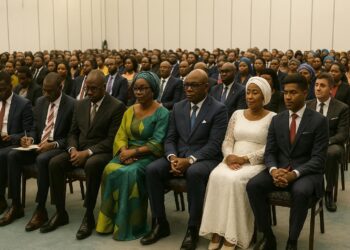
During the Senate audience, Kouadjani requested a formal motion encouraging greater earmarking of budgetary space for prevention, diagnosis and treatment, arguing that legislative backing would give the Treasury predictability to release counterpart funds on time.
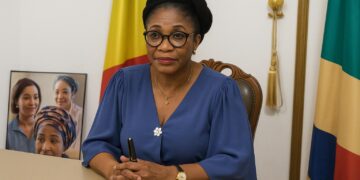
President Ngolo, according to participants, welcomed the briefing and reiterated the chamber’s commitment to universal health coverage, noting that domestic resource mobilisation aligns with the objectives of the national development plan and with the President’s focus on human capital.
Several senators privately highlighted the scope for reallocating savings from debt service renegotiations and for tapping the forthcoming oil-revenue stabilisation mechanism to shore up the health envelope without jeopardising fiscal consolidation.
Health System Gains on the Ground
Field reports shared with the Senate show that timely antiretroviral supply has pushed viral suppression rates above 90 percent in pilot districts, while the tuberculosis programme has cut diagnostic delays by half through GeneXpert machines purchased under the COVID-19 grant.
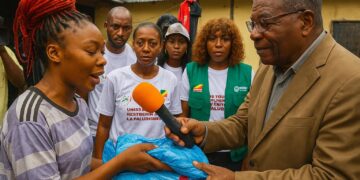
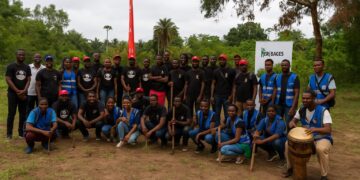
Community agents, trained and stipend-supported by the Fund, have become a crucial interface between primary facilities and remote villages, providing adherence counselling, malaria testing and data for the national health information system.
Health ministry officials argue that maintaining this momentum now depends less on external injections and more on embedding predictable domestic lines in the annual finance law, a stance echoed by UNDP’s Adama-Dian Barry during the mission.
Next Steps for Sustainable Financing
The delegation left Brazzaville confident that the Senate will table the issue in its budget session, potentially leading to a multi-year health-financing framework that could leverage concessional loans or diaspora bonds alongside traditional revenues.
Kouadjani stressed that Congo’s ability to meet the Global Fund’s co-financing threshold will be a condition for accessing the next allocation period, expected to open for negotiations in 2024.
As the country pursues fiscal consolidation, diversification and its climate-resilience agenda, aligning domestic health spending with international partnerships could enhance both human development indicators and investors’ confidence in the broader reform trajectory.
Economic Context and Fiscal Space
The Ministry of Finance projects real GDP growth of around 3 percent in 2023, buoyed by stable oil output and recovering construction activity; nevertheless, debt service still absorbs close to 40 percent of domestic revenue, constraining discretionary spending.
Within this tight envelope, health accounts for roughly 7 percent of the national budget, below the 15 percent Abuja target that African Union members endorsed, underscoring the gap the Global Fund wants legislators to close.
Economists note that increasing the health share by even two percentage points could unlock an additional 40 million dollars annually, enough to secure essential drugs and co-finance future malaria prevention rounds.
Revenue reforms under consideration include rationalising fuel subsidies, broadening the VAT base in the telecom sector, and expanding the single window for customs, reforms that the Senate already monitors through its economic affairs committee.
Technical Follow-Up Mechanism
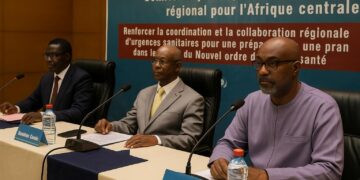
Looking ahead, the delegation and Senate staff agreed to establish a joint technical task force to quantify the fiscal impact of various scenarios and to translate them into amendments during the 2024 budget review, providing a model for evidence-based policymaking beyond the health sector.
For investors tracking social indicators, the forthcoming decisions will signal whether Congo can match its infrastructure push with parallel gains in public health, a combination often rewarded by rating agencies.