













Brazzaville unveils new health pact
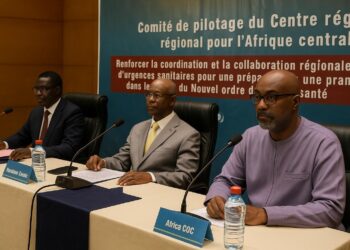
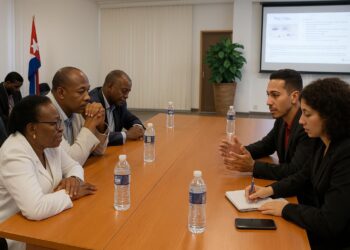
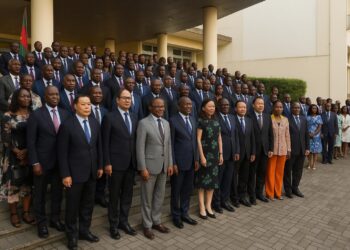
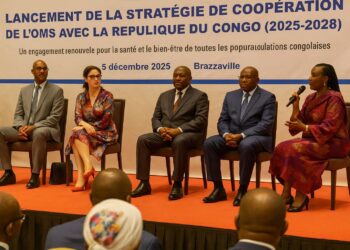
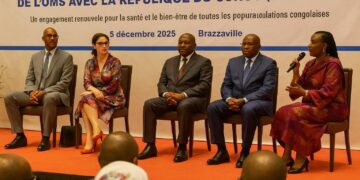
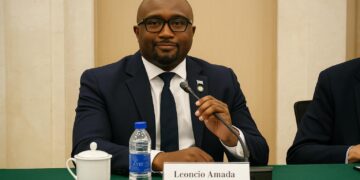
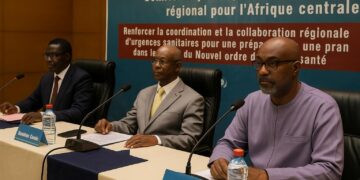
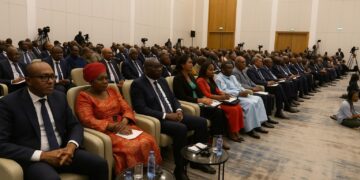
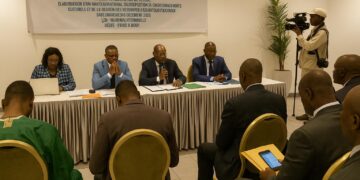
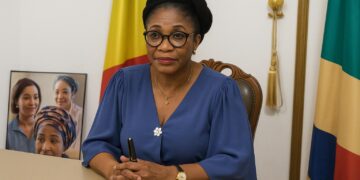
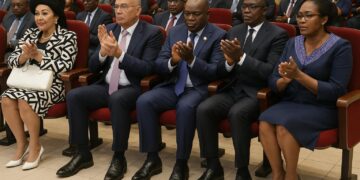
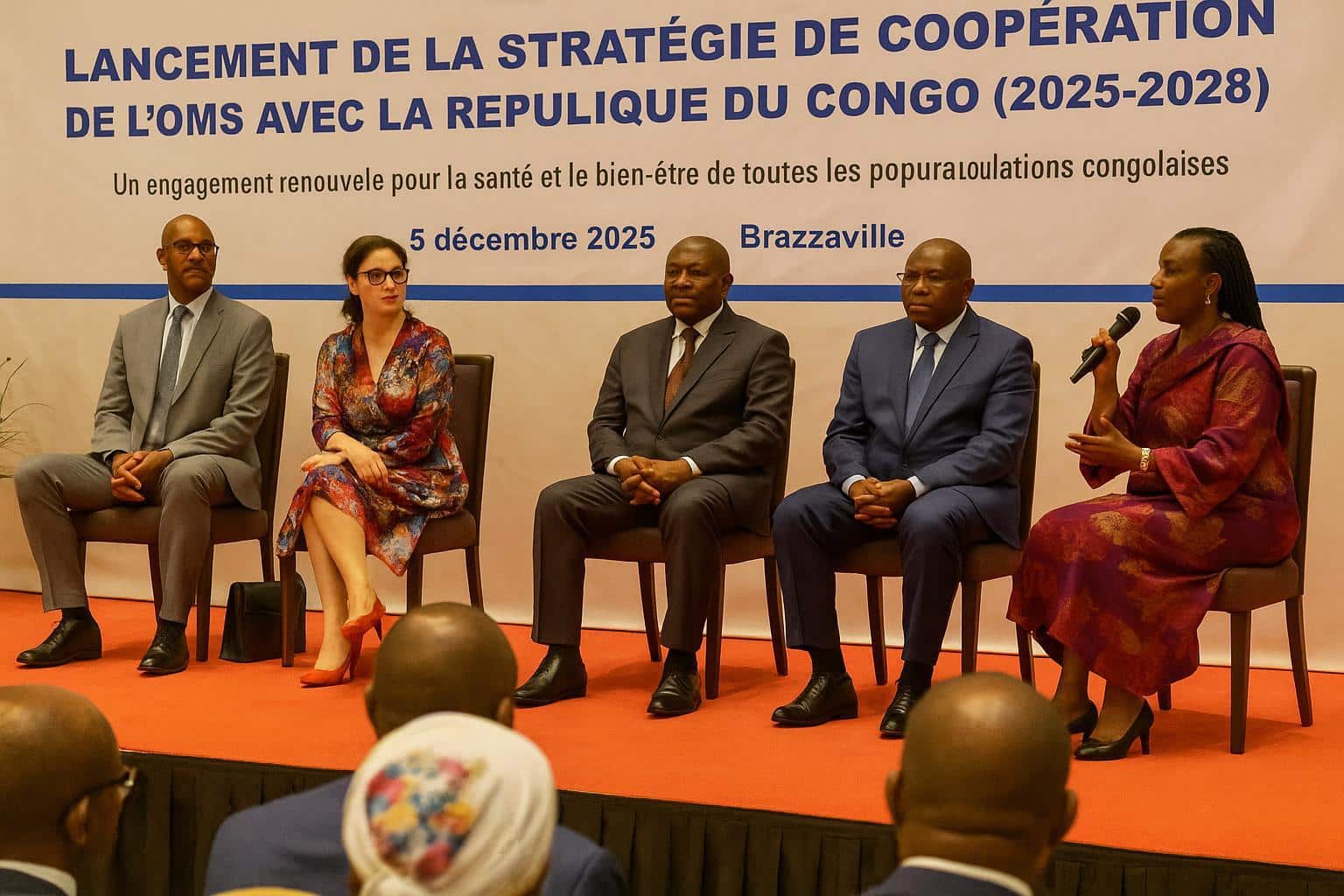
Standing before clinicians, diplomats and partners in Brazzaville on 5 December 2025, Health and Population Minister Jean-Rosaire Ibara launched the 2025-2028 Congo-WHO Cooperation Strategy, calling it a renewed social contract to deliver resilient, accessible, high-quality health services for every Congolese citizen.
The framework, effective January 2025 to December 2028, guides policy dialogue, biennial planning and resource mobilisation, draws lessons from recent emergencies and aligns with the National Health Development Plan 2023-2026 and the wider National Development Plan 2022-2026.
Strategic alignment with national goals
Designers of the strategy worked under a guiding question: how can the health sector accelerate progress toward the Sustainable Development Goals without diluting fiscal discipline? Their answer was to anchor each intervention in costed targets, draw on multisectoral synergies and exploit digital and community-based innovations already piloted nationwide.
Consequently, every planned activity maps to the WHO’s Fourteenth General Programme of Work and to the United Nations Sustainable Development Cooperation Framework for Congo, ensuring vertical coherence from village health posts to presidential dashboards and offering investors and donors predictable performance signals.
Four priority pillars for impact
WHO Representative Dr Vincent Dossou Sodjinou distilled the roadmap into four priorities: stronger primary health care, effective emergency preparedness and response, promotion of healthy lifestyles, and efficient governance anchored in equity, envisioned as ‘a lever for intensified coordination’ across ministries.
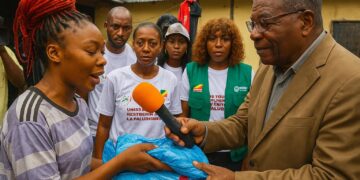
Primary care will receive particular attention, with officials pledging to bring essential services to what they call the ‘kilometre zero’—the last mile between a remote household and a professional caregiver—by scaling community health workers and telemedicine platforms already tested during the COVID-19 pandemic.
Financing the $45 million roadmap
Delivering the strategy will cost an estimated 45.1 million US dollars, according to the joint budget envelope released in Brazzaville. Authorities aim to fund 30 percent from national resources and 70 percent from multilateral and bilateral partners, philanthropic foundations and private sector contributions.
Finance staff inside the ministry are now translating strategic outputs into annual expenditure ceilings, while the WHO Country Office negotiates complementary pledges with the Global Fund, Gavi and the African Development Bank to mitigate foreign-exchange and liquidity risks.
Learning from COVID-19 and cholera
The plan’s architects repeatedly mentioned that Congo’s COVID-19 experience exposed both agility and fragility within public health supply chains, surveillance and workforce deployment. Those lessons now inform investments in genomic sequencing, cold-chain upgrades and rapid-response brigades at border crossings.
A recent cholera outbreak in riverine districts underscored the urgency of safe water and sanitation, galvanising support for integrated WASH-health interventions in local budgets and prompting contingency stockpiles of oral rehydration salts and antibiotics.
Equity and universal coverage ambitions
At the heart of the discourse is equity: policymakers want at least 60 percent of Congolese covered by an essential health-service package by 2028, up from an estimated 45 percent today, with a sharp focus on maternal, neonatal and adolescent indicators.
Minister Ibara argues that closing this gap requires not only larger budgets but also decisive governance reforms, citing the rollout of results-based financing pilots that link facility grants to measurable improvements in patient outcomes and transparent procurement portals.
Governance, metrics, and accountability
A joint steering committee chaired by the ministry and co-chaired by WHO will meet quarterly to track thirty-two key performance indicators ranging from stock-out days for essential medicines to immunisation drop-out rates in hard-to-reach prefectures and to publish scorecards online.
Civil-society observers see the publication of those dashboards as a chance to institutionalise data-driven policy adjustments, although they caution that timely population surveys are needed to verify administrative metrics and guard against complacency.
Openings for private investors and diaspora
Beyond public financing, officials highlight opportunities for blended finance in diagnostic centres, last-mile logistics and digital record platforms, sectors where diaspora entrepreneurs already run pilot projects in Pointe-Noire and Ouesso, seeking concessional capital and technical partners.
Local banks participating in the government’s guarantee scheme say the new strategy sends a clear demand signal that could unlock syndicated lending for medical equipment manufacturers and solar-powered cold rooms across peri-urban zones.
Regional context and competitive edge
Neighbouring states are also updating health pacts with multilateral partners, yet Congo’s early budgeting of domestic counterpart funds may position Brazzaville to capture scarce technical assistance windows and pilot status for new WHO digital surveillance tools in Central Africa.
If the milestones are met, planners project that life expectancy could edge above 65 years by 2030, reinforcing Congo’s appeal to investors who increasingly benchmark social indicators when allocating long-term capital.
Towards 2030: health as growth driver
Minister Ibara closed the launch by framing health not as a cost centre but as the ‘engine room of human capital’, insisting that sustained implementation of the Congo-WHO strategy will translate into higher labour productivity, fiscal space and social cohesion.
For now, the real test lies in how swiftly budgets are disbursed, coordination committees convened and accountability dashboards published; yet observers agree that the mere existence of a costed, time-bound plan is a valuable signal to markets seeking stability.