
















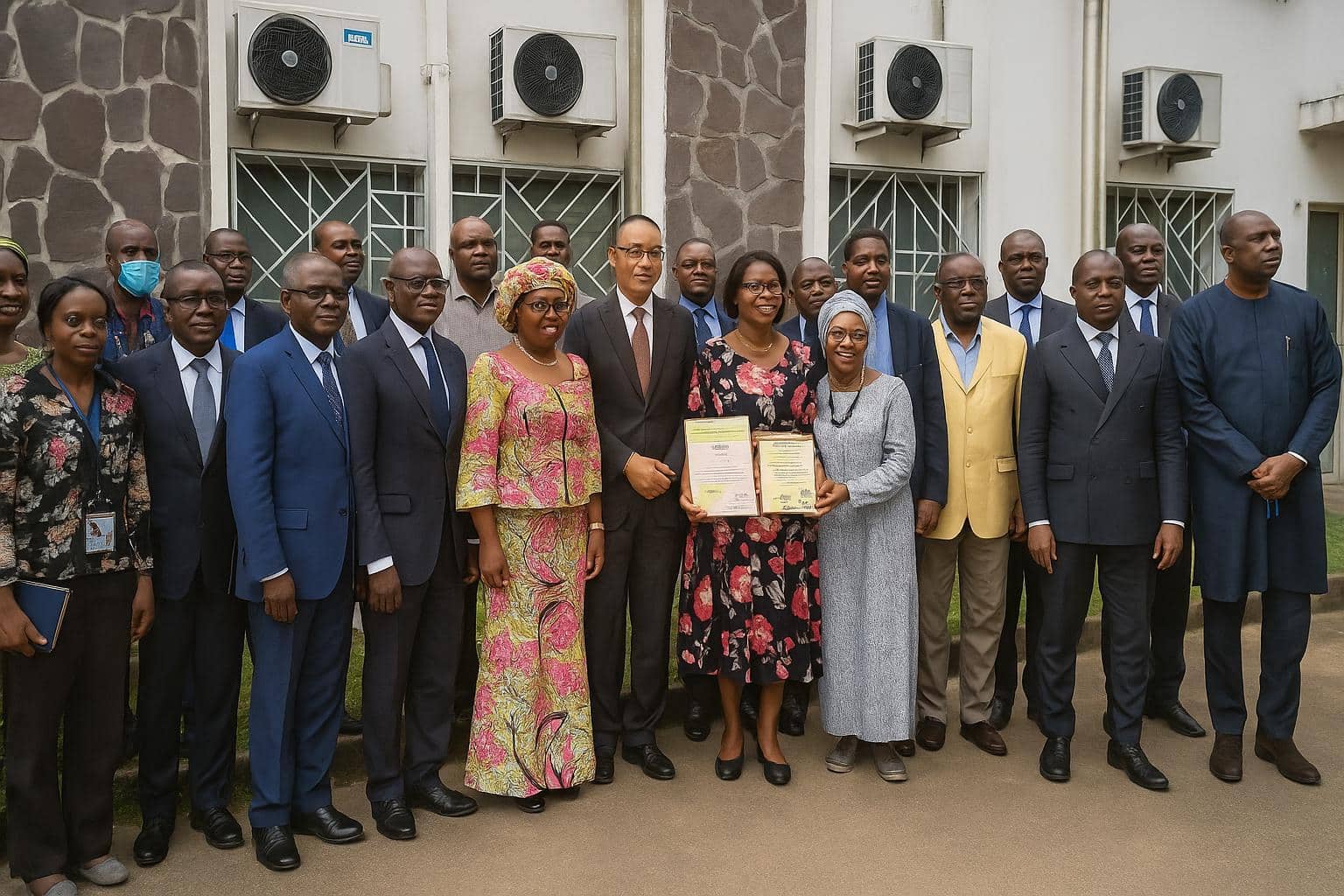
UNDP hands over post-disaster strategy
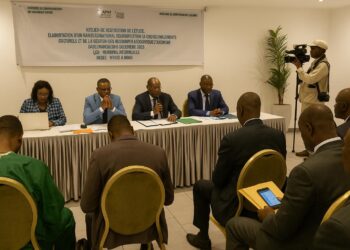
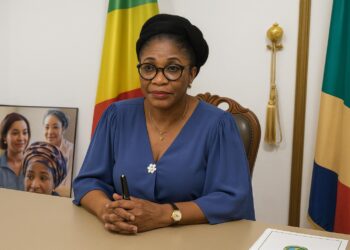
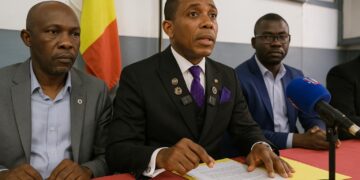
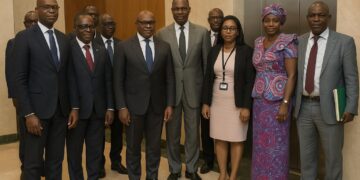
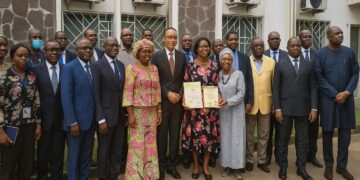
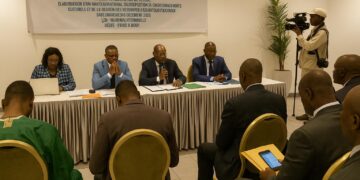
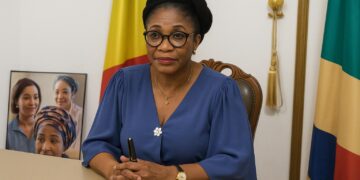
Brazzaville has taken a decisive turn toward climate-resilient reconstruction after the United Nations Development Programme formally handed the government a five-year Post-Disaster Recovery Strategy covering 2025-2030. The document was presented on 12 December by UNDP Resident Representative Adama-Dian Barry to Social Affairs Minister Irène Marie Cécile Mboukou-Kimbatsa.
Framed as a national steering instrument, the strategy aims to guide reconstruction of social infrastructure, restore livelihoods and strengthen institutional preparedness, while embedding the Build Back Better principle hailed since the Sendai Framework for Disaster Risk Reduction.
From response to resilience
UNDP officials underlined that the plan was molded through an inclusive dialogue involving ministries, provincial authorities, academia and civil society, ensuring what Barry called “a vision shared of a Congo able to transform each crisis into an opportunity for sustainable rebuilding”.
Although Congo-Brazzaville is less exposed to cyclones and earthquakes than many coastal states, torrential rains, river flooding and soil erosion have repeatedly damaged schools, clinics and feeder roads, most recently in the 14 June 2025 dry-season deluge cited in the strategy.
The new framework therefore couples rehabilitation works with preventative measures such as improved drainage, climate-smart land-use planning and early-warning systems, reflecting data from the Congo Hydrometeorology Directorate and international partners (UNDRR, World Bank climate risk profiles).
Financing the rebuilding drive
Minister Mboukou-Kimbatsa stressed that the blueprint’s real value will depend on mobilising resources and transforming pages into projects. She invited UNDP to “wear the hat of godmother” for an upcoming donors’ roundtable that should aggregate concessional loans, private capital and green-bond proceeds.
Early financial needs assessments, annexed to the document, estimate direct physical losses from recent events at 142 billion CFA francs, while total recovery needs reach almost twice that level once resilient upgrades are factored in, according to planning ministry economists consulted during drafting.
Authorities hope to capitalise on the Republic’s solid cooperation with the Central African Forest Initiative and the African Development Bank’s climate window, leveraging carbon-credit revenues and adaptation funds to lighten fiscal pressure as public debt hovered near 60 % of GDP in 2023.
Pipeline of climate-proof projects
The works ministry plans to publish priority tenders for resilient schools, reinforced bridges and flood-proof roads within twelve months after the strategy’s expected cabinet adoption in early 2024.
Local small- and medium-sized enterprises stand to win sub-contracts, provided they comply with new technical specifications drawn from AfDB climate-resilient design manuals. Congolese construction federation officials interviewed welcomed the prospect of capacity-building grants bundled into the plan.
Protecting people and ecosystems
Beyond bricks and mortar, the document mandates social protection measures: cash-for-work programmes, micro-credit lines for flood-affected traders and psycho-social support in collaboration with UNICEF. These layers mirror best practice consolidated in post-cyclone Mozambique operations (World Bank 2021) and are expected to cut recovery timeframes.
Environmental NGOs contacted by our newsroom endorsed the plan’s emphasis on ecosystem-based adaptation, notably the restoration of mangroves along the Kouilou and Ogooué estuaries, although they insist that local communities must be consulted in detailed design stages to avoid resettlement tensions.
Most importantly, the plan embeds a gender lens: at least forty per cent of jobs generated by reconstruction sites must be allocated to women, and disaggregated indicators will be published. Such commitments echo the national gender equality policy adopted in 2022 and reassure development partners.
Governance and policy alignment
Institutionally, a Steering Committee chaired by the Prime Minister will supervise implementation, supported by a technical secretariat within the Ministry of Planning. Quarterly dashboards will track progress, finance and gender mainstreaming, with data released on an open portal to reassure partners.
Alignment with the African Union’s Agenda 2063 and the United Nations 2030 Sustainable Development Goals is explicitly articulated, allowing the plan to tap multi-lateral grant windows dedicated to Goal 13 on climate action and Goal 9 on resilient infrastructure.
Speaking after the ceremony, a senior Finance Ministry official emphasised that the recovery strategy complements ongoing public financial management reforms backed by the International Monetary Fund, reinforcing transparency and reinforcing investor confidence in the Republic’s capacity to deliver complex programmes on schedule.
Insurance and tech innovation edge
Private insurers are analysing the document to recalibrate catastrophe-risk coverage. A senior executive at Assurances Générales du Congo said actuarial models would now integrate higher flood frequencies, but predicted premiums could stabilise as reinforced infrastructure lowers aggregate exposure over the medium term.
Digital innovation also features. The strategy calls for satellite imagery, drones and AI-powered damage assessment tools to be mainstreamed in post-disaster diagnostics, leveraging local start-ups incubated at the Brazzaville Technopole. This move may open new procurement channels for the Republic’s growing tech ecosystem.
A cautiously optimistic outlook
With cabinet approval anticipated early next year and a first resource-mobilisation conference pencilled in for mid-2024, Congo-Brazzaville appears poised to translate the Build Back Better creed into tangible sites, contracts and jobs, consolidating resilience while supporting inclusive growth.