

























Workshop highlights in the economic capital
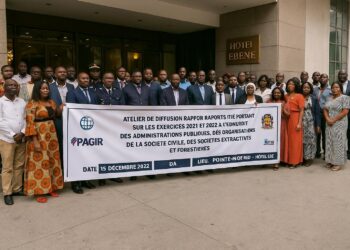
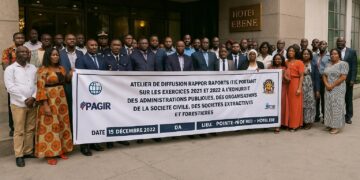
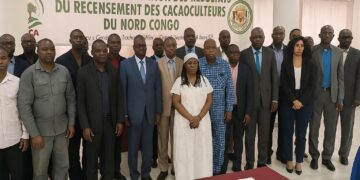
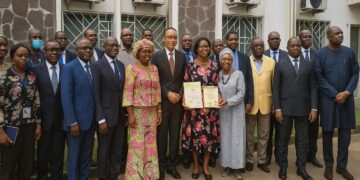
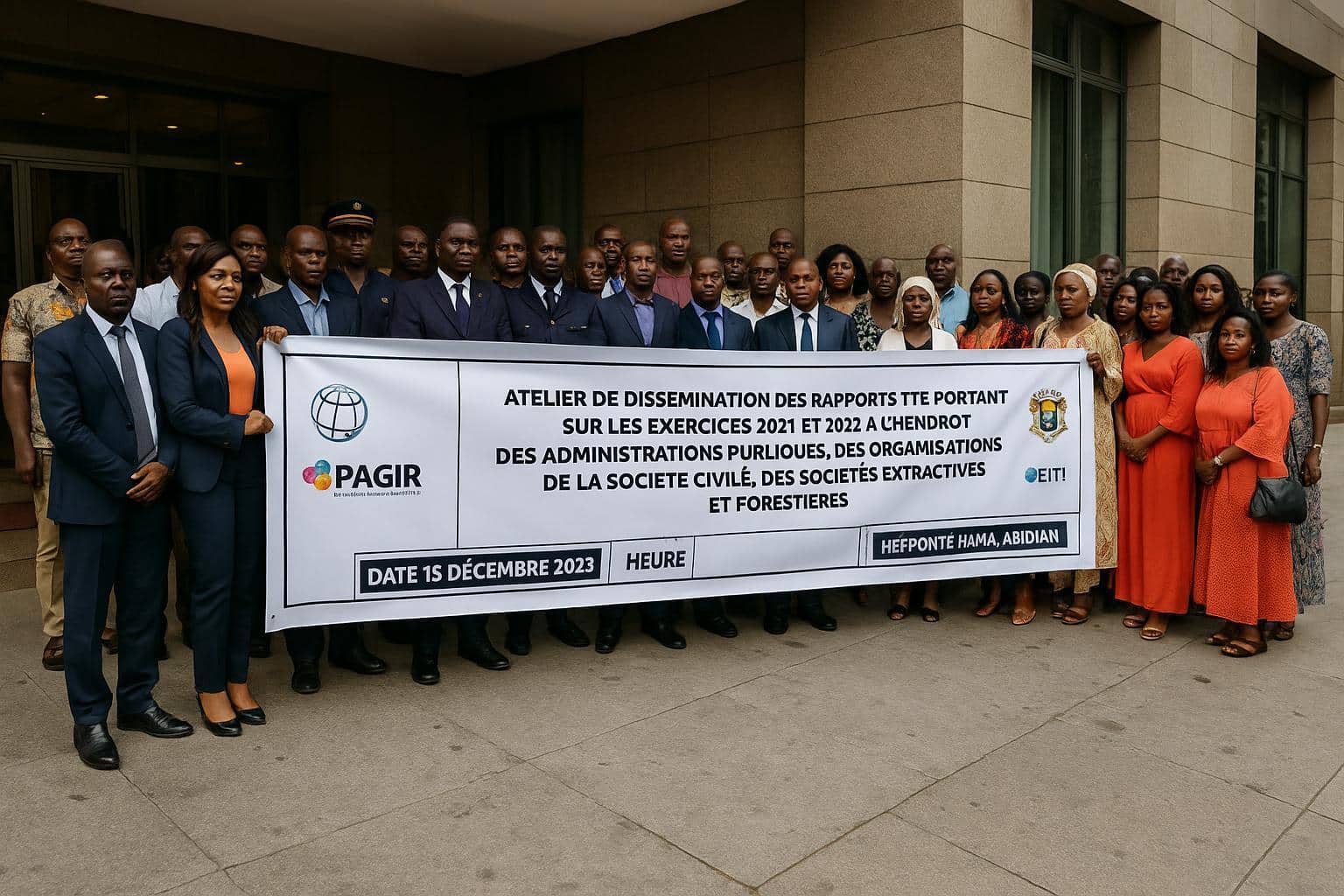
On 15 December, Congo’s National EITI Committee convened an intensive workshop in Pointe-Noire, gathering ministerial departments, petroleum and forestry firms and non-governmental actors. The objective was to unpack the recently published 2021 and 2022 EITI reports and sharpen each stakeholder’s grasp of disclosure obligations.
Oil revenue at the core of state finances
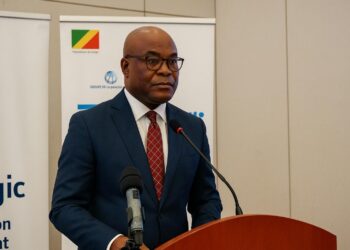
Vice-president Christian Mounzéo reminded participants that hydrocarbon receipts still anchor the national budget. Understanding how these flows are reported, reconciled and audited remains essential for both public planning and corporate forecasting. The session emphasised that transparency underpins fiscal stability and investor confidence.
Multi-stakeholder ownership of the standard
“The initiative can only flourish if every constituency knows its role,” Mounzéo stressed, urging administrations, companies and citizens to adopt the reporting culture as their own. By positioning the workshop as a capacity-building forum, organisers aimed to translate technical tables into actionable information for non-experts.
Forestry earnings now under the spotlight
Member Brice Makosso recalled that the Congolese process extends beyond oil, gas and mining to include timber revenues. Bringing the forest value chain into EITI promotes consistent governance across sectors and aligns with the country’s vision to safeguard its vast Congo Basin ecosystems while monetising resources responsibly.
Civil society welcomes consistent disclosure
Franck Loufoua-Bessi, speaking for civil society, acknowledged government efforts to honour transparency pledges. He nonetheless called for regular public updates on the nature, volume and timing of payments. Predictable communication, he argued, can pre-empt speculation and foster a more trusting climate among communities.
Toward reconciliation of the 2023 accounts
Discussions converged on speeding up the data collection cycle so that, by 2025, stakeholders debate the fully reconciled 2023 exercise. Achieving that timeline would position Congo among the more up-to-date implementers of the standard and reflect determination to institutionalise good practices.
Regional roll-out strengthens inclusiveness
Pointe-Noire marked the first stop in a series of workshops set to reach Dolisie and Nkayi. The itinerant format signals an ambition to decentralise debates and ensure that provincial administrations, logging hubs and hinterland communities feed their realities into national governance conversations.
Strategic value for investors and lenders
For banks, equity analysts and project financiers, the refreshed data sets offer a clearer line of sight on fiscal flows, production trends and off-budget transactions. Robust disclosure can translate into lower risk premiums and smoother access to syndicated funding for infrastructure or energy ventures.
Complementing the national development agenda
The workshop’s messages resonate with the authorities’ broader plan to diversify the economy, modernise public finance and attract high-quality foreign direct investment. Transparent management of extractive and forestry income helps channel funds into health, education and transport corridors that underpin inclusive growth.
Building technical capacity across agencies
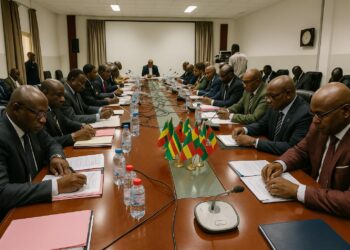
Participants from treasury, customs and statistical units exchanged methodologies for cross-checking corporate declarations against government receipts. Hands-on sessions demonstrated how uniform templates, digital portals and shared glossaries can reduce discrepancies and accelerate report production without compromising accuracy.
Enhancing the business climate
Consistent publication of payment data aligns Congo with global compliance benchmarks prized by multinational operators. By lowering the informational barrier, authorities intend to reassure joint-venture partners that rules are predictable and disputes can be settled on the basis of verified numbers rather than perceptions.
Harnessing technology for data integrity
Speakers advocated wider adoption of electronic filing and blockchain-style audit trails to secure datasets against tampering. Though still exploratory, such tools could eventually allow real-time monitoring of royalties and forestry taxes, reinforcing both revenue mobilisation and public oversight.
Gender and youth inclusion in oversight
Civil society delegates underscored the need to involve women’s associations and university networks in data analysis. Broader participation not only widens the talent pool but also ensures that transparency outcomes translate into tangible social dividends for households across demographic lines.
Balancing revenue extraction and sustainability
The decision to integrate forest proceeds into EITI reporting reflects awareness that economic growth and environmental stewardship are intertwined. Transparent royalties can finance conservation initiatives, while clarity over logging concessions deters illegal practices that degrade biodiversity.
Feedback loops to strengthen policy
Workshop findings will be compiled and shared with line ministries, enabling iterative adjustments to fiscal codes and contract terms. Such evidence-based policymaking, participants noted, accelerates reforms without undermining investor certainty or contractual stability.
A measured step toward 2025 milestones
By closing information gaps for 2021-2022 and charting a path for the 2023 reconciliation, the Pointe-Noire gathering reaffirmed Congo’s resolve to anchor transparency at the heart of resource governance. Momentum now hinges on disciplined follow-through and sustained dialogue across sectors.
Next stops: Dolisie and Nkayi
Organisers expect similar enthusiasm in Dolisie’s mining corridor and Nkayi’s agro-industrial belt. Local authorities there will scrutinise the same datasets, contextualising them with their regional priorities and feeding feedback into the national report cycle slated for early compilation in 2024.
Outlook for stakeholders
Investors will watch how swiftly lessons from the workshop translate into streamlined procedures and timely disclosures. Civil society will measure progress by the regularity of public briefings. Government agencies, for their part, view transparency as a lever to optimise revenue collection and bolster international partnerships.
Transparency as a pillar of confidence
Throughout the session, speakers converged on one insight: credible data cultivates confidence among citizens, markets and foreign allies alike. The Pointe-Noire workshop therefore stands not merely as a technical exercise but as a visible commitment to accountable stewardship of Congo’s strategic assets.