

















Brazzaville auditorium sets the stage
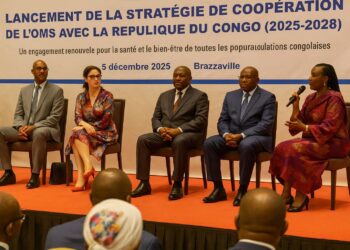
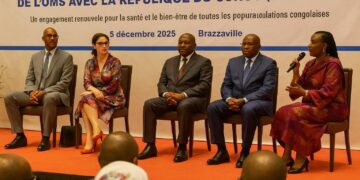
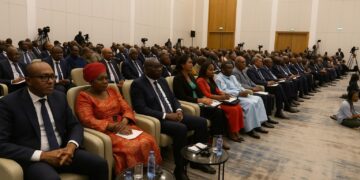
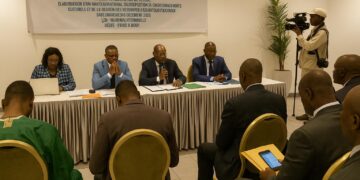
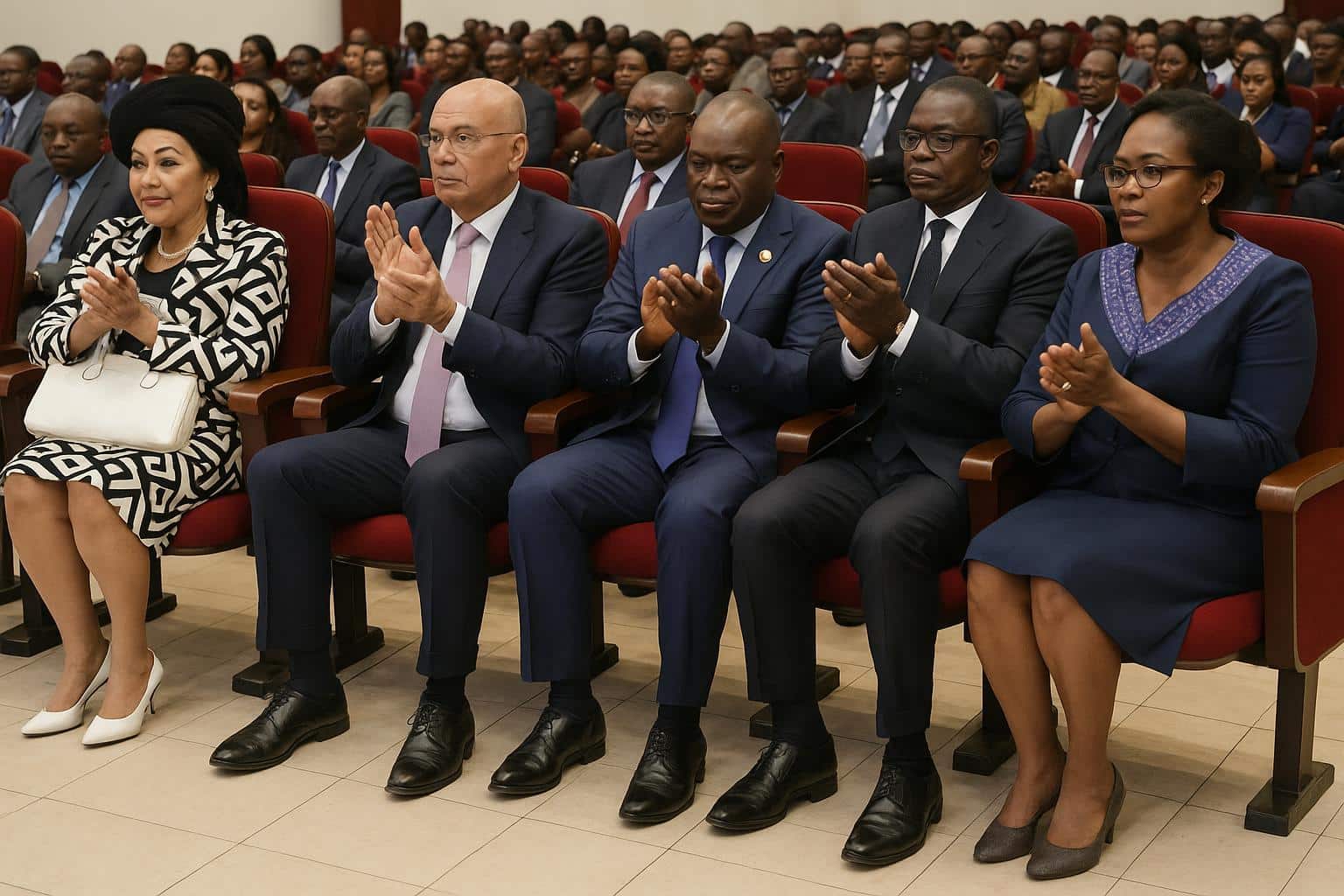
The marble halls of the Denis Sassou Nguesso auditorium at the Pierre Savorgnan-de-Brazza Memorial filled early, as practitioners filed in for the inaugural Human Resources Forum convened by the African Human Resources Observatory. The single-day event sought to restore prestige to HR and elevate its influence nationwide.
Organisers framed the gathering as more than another conference. By spotlighting the people behind Congo’s growth targets, they aimed to show that payroll management has matured into a strategic discipline capable of steering competitiveness, productivity and social cohesion.
Screens around the room replayed decades of national milestones, subtly linking today’s talent topics with the country’s industrial narrative. Delegates agreed that aligning HR practice with the government’s development road map can reinforce the social contract while attracting investors seeking stable, skilled labour.
Ministers underline strategic stakes
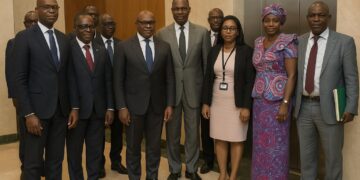
Nicéphore Fylla de Saint-Eudes, Minister for Industrial Development and Private-Sector Promotion, opened the deliberations by calling human capital “a pillar of economic and social growth in the Republic of Congo.” He urged participants to translate talk into practical recommendations capable of guiding upcoming policy updates.
Ludovic Ngatsé, Minister of Economy, Plan and Regional Integration, echoed that message, insisting that modern talent management will influence everything from fiscal revenues to regional value chains. His presence signalled cabinet-level recognition that HR reforms intersect with macro-budgetary priorities.
Both ministers assured the audience that government is ready to listen. By embedding outcomes from the forum into existing programmes, they argued, Congo can convert demographic potential into a diversified, knowledge-enabled economy without compromising social stability or fiscal prudence.
Professionals share tools and tactics
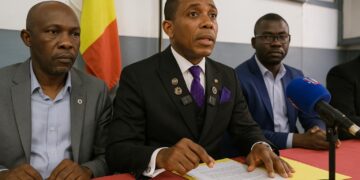
Discussion quickly shifted from aspirations to concrete levers. Kiba Gatsongo Nouni, president of the Observatory, reminded colleagues that the country’s most strategic resource “is not buried underground but seated in this hall.” His statement set the tone for panels on analytics, succession planning and inclusive recruitment.
Olga Akylangongo, HR head at the National Oil Company of Congo, said speaking for SNPC was “deeply symbolic.” Petroleum remains vital, yet she argued that future competitiveness will rely on how agilely the sector retrains engineers, project managers and community liaisons to meet evolving standards.
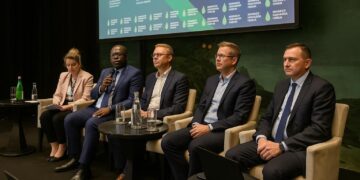
Break-out sessions explored data-driven performance reviews and digital learning platforms suited to Congo’s connectivity landscape. Facilitators stressed that global templates need localisation, urging firms to pair technology with cultural empathy and regulatory compliance.
Corporate partners showcase commitment
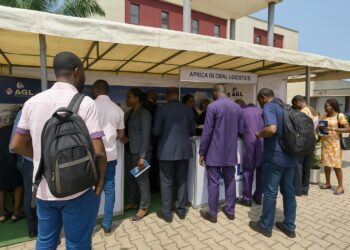
Beyond debates, corridors turned into a live laboratory. Stands erected by partnering companies displayed in-house graduate programmes, mentorship tracks and health-and-safety dashboards. Visitors compared dashboards and discussed cost-benefit ratios of continuous professional development in an economy where margins can fluctuate sharply.
One financial-services firm demonstrated how predictive algorithms help anticipate attrition and schedule targeted upskilling before performance dips. A logistics provider highlighted its apprenticeship scheme built with technical colleges, illustrating public–private collaboration many analysts say is crucial for lowering youth unemployment.
Exhibitors stressed that measurable progress already exists, countering perceptions that HR remains merely administrative. Several pledged to publish annual talent-development reports, aligning with regional ESG disclosure trends while answering investor calls for transparency on workforce issues.
Next steps for talent-centred growth
As the forum closed, moderators summarised draft recommendations: elevate HR directors to executive committees, strengthen vocational curricula, and create a national observatory scoreboard to benchmark skills. Attendees applauded, aware that implementation will test coordination across ministries and industries.
Speakers urged a phased approach. Quick wins such as standard job classifications and mobile-based training modules could demonstrate impact within months, while longer-term goals, including legislative updates, will require parliamentary engagement. Success, they noted, hinges on aligning incentives for firms, workers and the state.
Although the assembly was the first of its kind, call-backs were immediate. Organisers plan annual editions, using survey data gathered on-site to track progress. They also intend to host regional round-tables to ensure that HR conversations extend beyond Brazzaville to emerging industrial zones.
Participants left with a reinforced conviction that Congo’s growth trajectory will be shaped less by commodity cycles than by its capacity to harness intelligence, creativity and resilience. In that light, the forum marked a pragmatic step towards embedding people strategy at the core of national planning.
By the time lights dimmed in the auditorium, posters reading “Our People, Our Future” had become more than slogans. They signalled a consensus: effective human-capital management is no longer optional but foundational to Congo-Brazzaville’s pursuit of inclusive, sustainable prosperity.