

















Funding Gap Keeps Patents Out of Reach
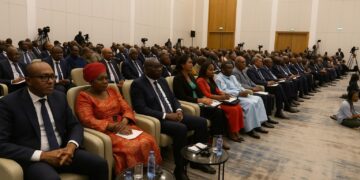
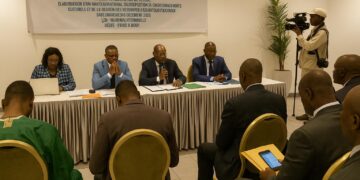
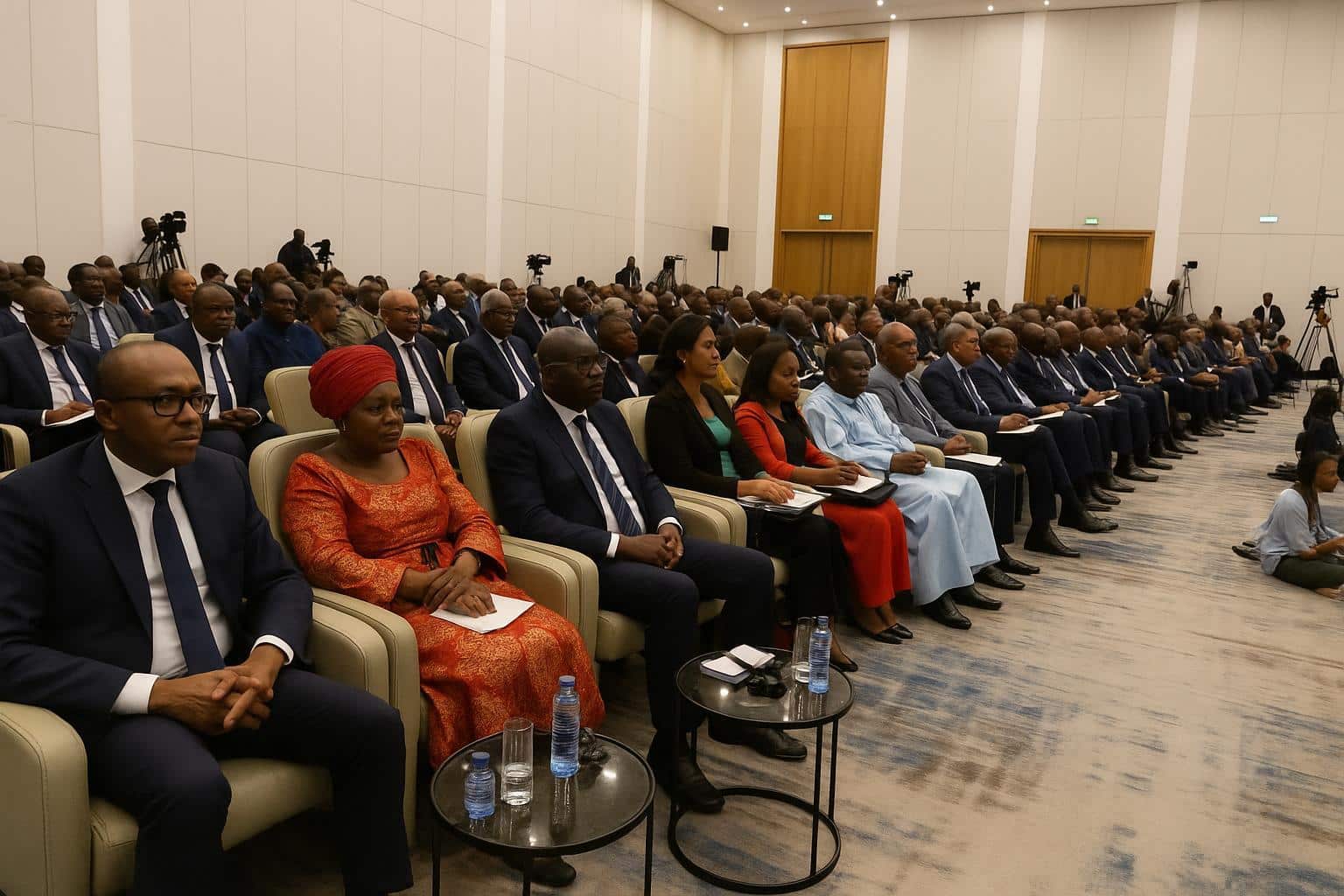
Brazzaville’s skyline hosts a rising cohort of tinkerers and coders, yet most breakthroughs never leave the workshop because statutory fees for protecting ideas remain prohibitive, speakers warned at the 65th OAPI board session last week.
Denis Loukou Bohoussou, Director General of OAPI, noted that while the organisation has administered a uniform IP system for 17 member states since 1962, “taxes linked to filing and annuities remain a wall for start-ups with no seed capital” (ACI, 11 Dec 2025).
OAPI’s schedule of fees, cited by participants, can exceed several hundred thousand CFA francs over the life of a patent, equivalent to more than the median annual revenue of an informal micro-enterprise (OAPI tariff, 2024).
OAPI’s Toolkit for Early-Stage Inventors
To narrow the gap, OAPI recently rolled out a pilot grant that covers initial filing and the first three annuities for twenty projects per country, together with a voucher for legal drafting, Mr Bohoussou confirmed.
The organisation is also partnering with the African Development Bank to structure a regional proof-of-concept fund that would co-finance prototype validation, mirroring initiatives seen in Kenya and South Africa (AfDB, 2023).
For Congo-Brazzaville, the scheme dovetails with the government’s National Development Plan 2022-2026, which assigns priority to knowledge-based industries and calls for a 35 percent rise in patent applications by 2026.
Entrepreneurial Skills Still Missing
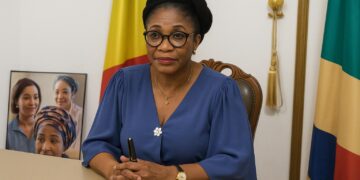
Nancy Chenard, Executive Secretary of Unicongo, cautioned that finance alone will not solve the puzzle, pointing to “limited awareness of IP mechanisms and the fragmented nature of our innovation ecosystem”. She advocated a compulsory IP module in technical universities.
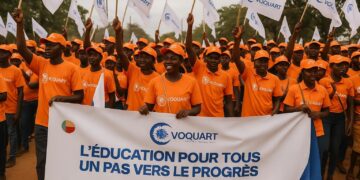
The Ministry of Higher Education is already piloting an IP clinic at Marien Ngouabi University where law students assist start-ups under faculty supervision. Early results show five provisional patent drafts logged within six months, according to campus data.
Similar clinics operate in Cameroon and Senegal; OAPI plans to interconnect them into a Sahel-Congo network, facilitating peer review and lowering transaction costs for cross-border filings.
Banks and the Informality Trap
The debate repeatedly returned to the banking system. Malian Industry Minister Moussa Alassane Diallo reminded delegates that “eighty to ninety percent of African firms cannot produce the collateral or audited statements banks request”, leaving them outside the credit market.
Across Central Africa, only 15 percent of SMEs report having ever applied for a loan, World Bank Enterprise Surveys show. Without credit histories, inventors struggle to finance both R&D and the legal path to protection.
Participants suggested alternative vehicles, including revenue-based financing, angel co-operatives and state-guaranteed mezzanine funds tailored to intangible assets. The Central African Financial Market Supervisory Commission is studying guidelines for such products, insiders said.
Digital Economy Calls for New Rules
Beyond classic patents, Congo sees a surge in apps and software solutions addressing logistics, forestry monitoring and mobile payments. Speakers pressed for updated legislation on copyright, trade secrets and data ownership to keep pace with the digital wave.
The Ministry of Posts, Telecommunications and Digital Economy is drafting amendments to the 2019 Digital Code aiming to align it with the African Continental Free Trade Area’s IP protocol, a senior official told the forum.
Investors welcomed the signal. “Clarity on data localisation and licensing will enhance deal flow in our pipeline,” said Aurora Capital Partner Jean-Marc Ondongo, whose fund targets Francophone start-ups.
Building Infrastructure and Human Capital
Closing the session, Congolese Minister for Industrial Development Antoine Nicéphore Thomas Fylla de Saint-Eudes underscored that reliable power, broadband and logistics hubs remain prerequisites. He outlined ongoing projects, including the 34 MW Liouesso hydro plant upgrade and the Pointe-Noire Tech Park.
The government has ring-fenced 3 percent of oil revenues for a skills and innovation fund, channelled through the Sovereign Fund of the Republic of Congo, to support incubators, scholarships and maker spaces, according to the 2024 budget law.
Analysts view the earmark as a step toward diversifying an oil-weighted economy without compromising fiscal stability, given recovering crude prices and a debt-to-GDP ratio projected below 60 percent by 2025 (IMF Article IV, 2024).
Toward Innovative Financing Models
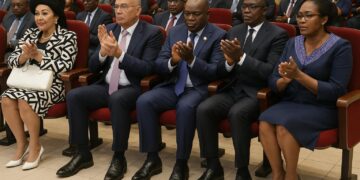
Delegates endorsed a roadmap that pairs OAPI subsidies with blended finance instruments and capacity-building. A monitoring dashboard, to be hosted by the Ministry and updated quarterly, will track patent filings, grant disbursements and start-up survival rates.
If executed, the plan could shift Congo-Brazzaville from consumer of external technologies to regional supplier, positioning local firms to capture value in green energy, agri-processing and fintech while contributing to the continent’s collective intellectual property footprint.
Observers nonetheless urge patience, highlighting that successful IP ecosystems in Asia took a decade to mature and required parallel reforms in contract enforcement and tax incentives.
OAPI and its partners plan to reconvene in Brazzaville in 2026 to assess progress, offering an early litmus test of whether cheaper patents and smarter capital can unlock the republic’s latent inventive capacity.