



















Youth financing surge in Lekoumou
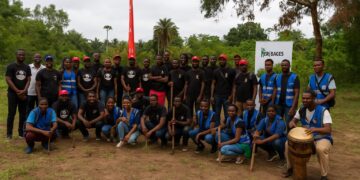
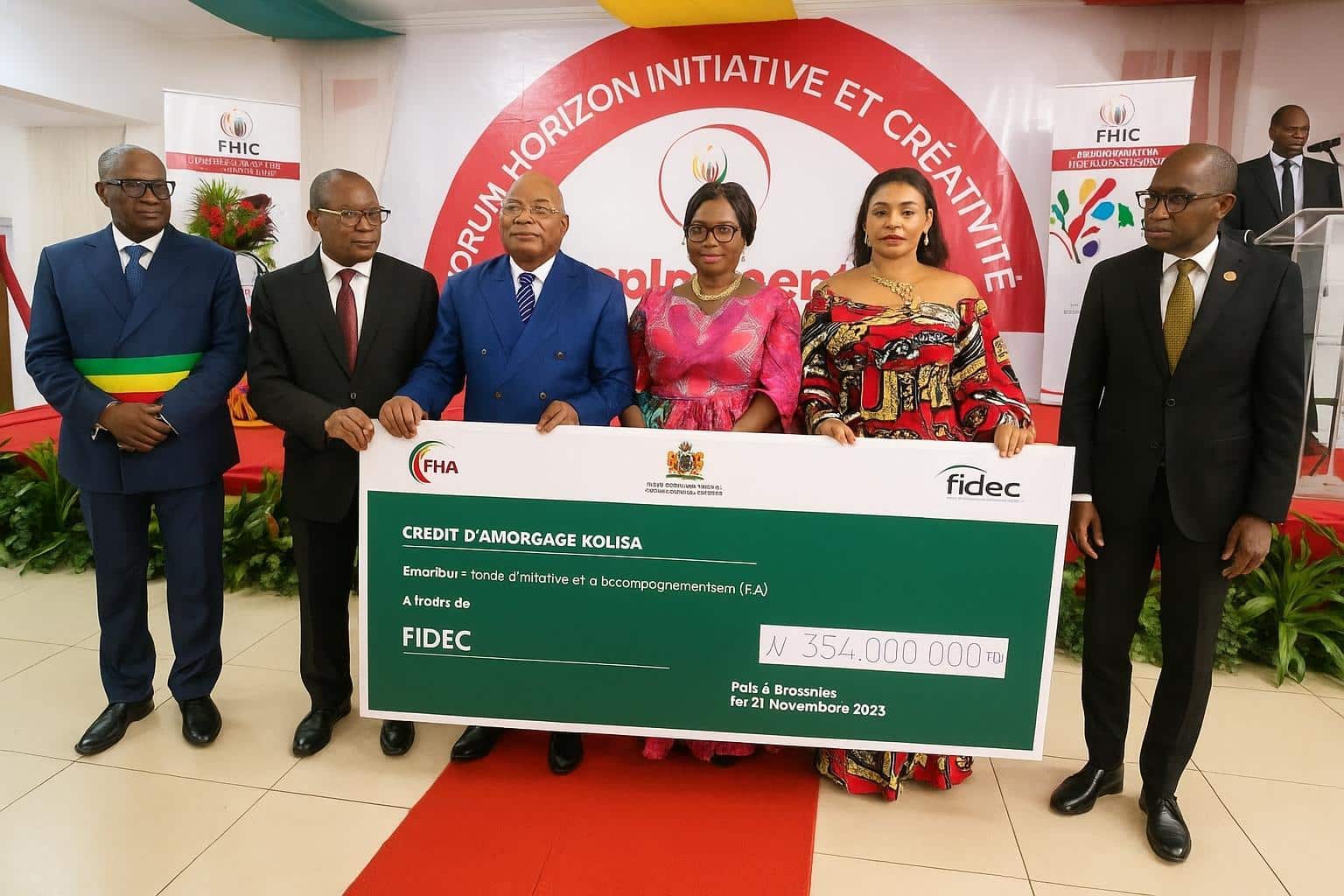
The remote town of Sibiti in Congo’s Lekoumou department witnessed a rare injection of capital as the Forum Horizon Initiative and Creativity, Fhic, handed a collective cheque worth 87.434 million CFA francs to 259 young entrepreneurs, sealing the seventh edition of its regional road-show.
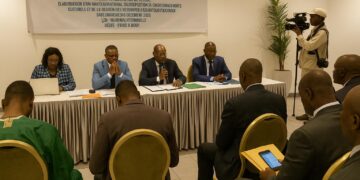
Designed to accelerate local self-employment, the ceremony gathered beneficiaries from five districts and representatives of government and microfinance institutions. Organisers stress that the operation complements President Denis Sassou Nguesso’s national ambition to convert youth demographics into productive assets rather than job seekers.
Kolissa credits and the microfinance pipeline
The funds originate from the Kolissa credit line managed by La Financière de Développement du Congo, Fidec, and guaranteed by the Fonds d’Impulsion, de Garantie et d’Accompagnement, Figa. According to Brice Makaya Mokoko, Figa’s deputy director-general, this tri-partite architecture lowers collateral requirements and speeds rural disbursements.
Fidec channels the cash through tailored micro-loans ranging from 200 000 to 400 000 CFA francs, repayable over twelve to eighteen months at preferential rates. Financial literacy sessions precede every disbursement, an approach that has reportedly kept default levels below the domestic microfinance average so far.
A diverse cohort of 259 ventures
Of the 259 recipients, 102 are women and 157 men, mirroring the district’s demographic structure. Fhic identified 129 income-generating traders, 118 craft workers, eleven vegetable growers and twenty livestock keepers. Sibiti-Centre alone concentrates 194 beneficiaries, while Sibiti-District and each outlying district posted ten to sixteen awardees.
Sectors flagged for immediate expansion include hairdressing, carpentry, welding, bakery, mechanics, agro-processing, catering, basketry, laundry and basic information technology services. Organisers argue that backing such familiar trades ensures a short gestation period, allowing repayments to recycle quickly into the programme’s revolving envelope.
Institutional voices encourage ownership
Executive president of Fhic, Aline France Etokabeka, urged youths to “seize the windows opened by the State” and translate them into viable businesses. She framed entrepreneurship as a national duty, insisting that every informal kiosk upgraded into a formal entity lifts Congo’s gross domestic product.
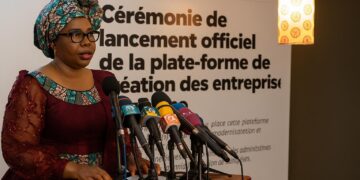
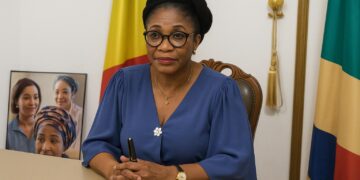
Minister of Social Affairs and Humanitarian Action, Irène Marie Cécile Mboukou Kimbatsa, patron of the edition, praised the forum for “pulling citizens out of idleness and unemployment”. Her remarks underscored the administration’s inclusive-growth narrative, linking the Sibiti allocations with ongoing national programmes such as Paide and the Support Fund.
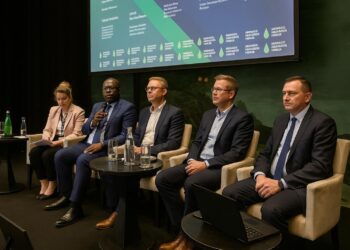
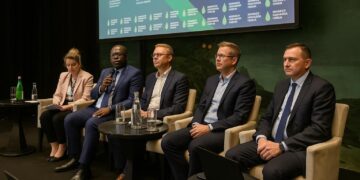
Participants also listened to panels led by agronomists, marketers and digital bankers. Presentations covered bookkeeping, hygiene standards and ways to harness mobile money for client payments. The minister asked attendees to internalise the lessons, because “finance without skills is a temporary relief, not durable emancipation”.
Monitoring and risk management
Fhic teams plan monthly field visits to track inventory levels, production volumes and customer flows. GPS-tagged pictures feed a central dashboard in Brazzaville, enabling rapid intervention if a venture stalls. The mechanism aligns with Figa’s guarantee terms, which require measurable performance indicators throughout the loan tenure.
Graduated amortisation schedules are coupled with peer-group guarantees, a popular feature in Central African microfinance. Beneficiaries attest that peer pressure helps discipline cash management, as missing a payment could jeopardise a neighbour’s business, an outcome culturally stigmatised in the tightly knit Lekoumou communities.
Implications for investors and policy makers
For investors scouting early-stage deal flow, the Sibiti cohort offers a pipeline nearing proof of concept. Once repayments establish track records, ventures can scale through mezzanine debt or equity injections, positioning Lekoumou as an ancillary hub complementing the coastal growth corridors of Pointe-Noire and Brazzaville.
Policymakers view the project as a low-cost tool to stabilise rural economies facing commodity price swings. Each successfully funded bakery or mechanics workshop retains value locally, reducing the economic pull toward overcrowded urban centres and buttressing the decentralisation strand of the National Development Plan.
Environmental specialists note that supporting small-scale vegetable growers and livestock keepers can ease pressure on the Congo Basin forests. When local markets access fresh produce, demand for bushmeat may decline, aligning the entrepreneurial push with the country’s climate-smart agriculture commitments.
As the seventh edition closes, Fhic confirms that preparations for next year are underway, with discussions to extend Kolissa credits to the neighbouring departments of Bouenza and Niari. Success in Sibiti could thus serve as a template for replicable, youth-centred economic renewal across Congo.
Fhic executives stress that every franc lent is traceable through the Treasury Single Account, a safeguard that reassures development partners eyeing potential co-financing. The platform’s digital ledger, supported by local fintechs, allows auditors to match disbursements with invoices in real time, minimising leakages and reinforcing trust.
If the model scales nationally, analysts predict up to 10 000 micro-enterprises could emerge within five years, transforming rural income dynamics.