












Parliamentary momentum for PADC
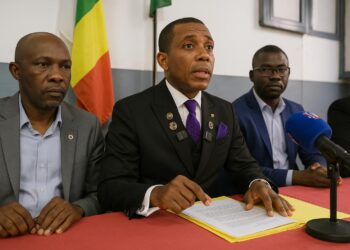
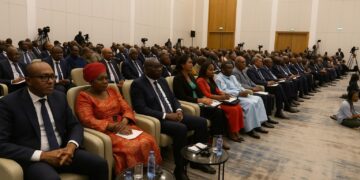
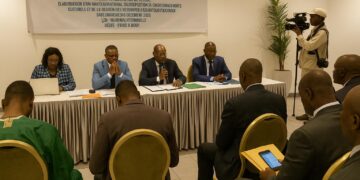
Deputies in Brazzaville spent 28 October 2025 dissecting the Accelerated Community Development Programme, PADC, during a parliamentary day co-hosted by the National Assembly and the United Nations Development Programme. The meeting signalled a bipartisan endorsement of the five-year agenda poised to sharpen territorial equity.
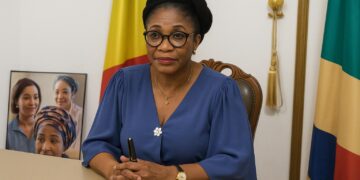
Assembly speaker Isidore Mvouba framed the initiative as “a promise of social justice” that must translate national strategies into neighbourhood-level results. He praised the UNDP for fostering “interactive and fruitful” exchanges that, he argued, have turned elected officials into early ambassadors of the scheme.
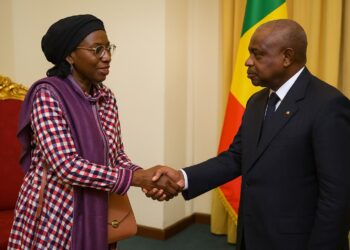
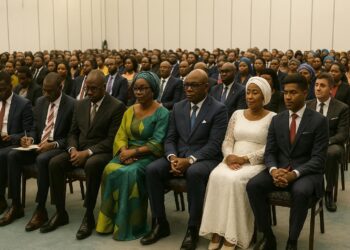
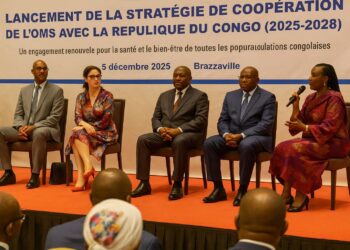
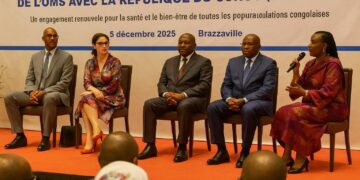
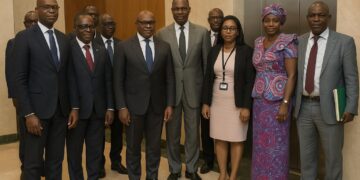
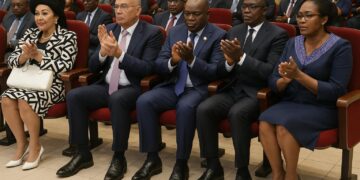
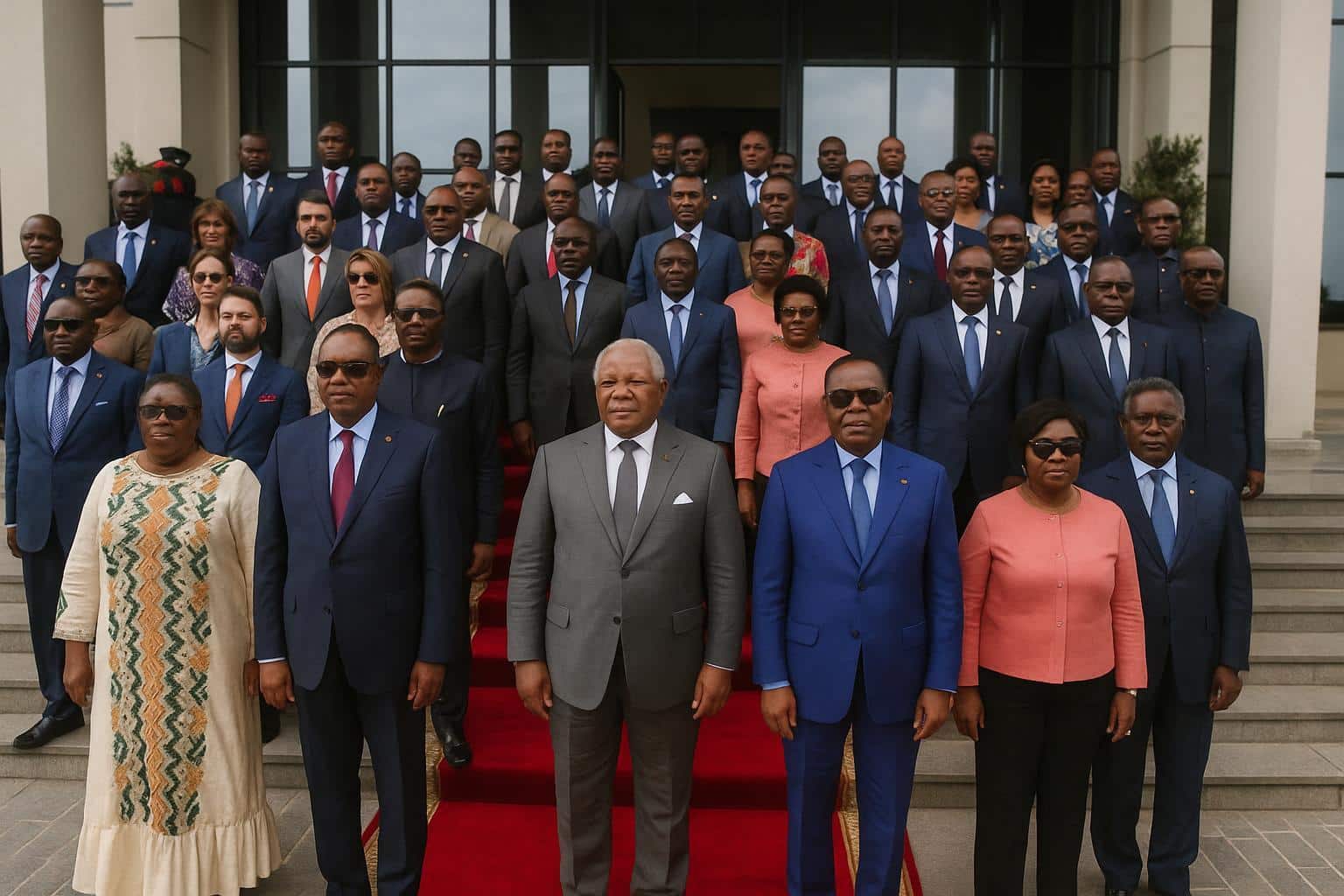
Representatives of government, donor agencies and local authorities filled the gilded chamber, including Urban Sanitation Minister Juste-Désiré Mondélé, UNDP Africa service-centre head Matthias Zana Naab and resident representative Adama-Dian Barry. Their presence underlined the cross-institutional coalition expected to steer the PADC through 2026-2030.
Data-Driven Mapping of Territorial Needs
The PADC rests on a granular diagnosis spanning all fifteen departments. Household income gaps, school enrolment ratios, road density and health-centre coverage were mapped, according to the Assembly secretariat. By confronting disparities head-on, planners hope to prioritise high-impact micro-projects such as feeder roads and women’s cooperatives.
UNDP officials report that geospatial dashboards now link demographic clusters to investment envelopes, enabling an evidence-based allocation model aligned with the government’s 2022-2026 National Development Plan. The parliament welcomed the methodology, insisting that transparent metrics will later ease audit, oversight and public communication.
Isidore Ondoki, national coordinator of the PADC, told deputies that baseline surveys show rural poverty still exceeds 60 percent in several northern districts despite national average declines. “Targeting must be territorial otherwise growth will bypass thousands,” he warned, citing preliminary fieldwork financed by the UN’s SDG Fund.
Building a Legal Backbone for Local Development
Although the PADC remains an executive programme, lawmakers underscored their constitutional mandate to craft an enabling legal framework. Draft legislation could formalise decentralised procurement rules, safeguards against elite capture and reporting duties to Parliament, Mvouba asserted during the session’s legal workshop.
Comparative tables circulated in hallways highlighted Rwanda’s 2008 decentralisation law and Ghana’s District Assemblies Common Fund as reference points. Deputies argued that an explicit statute would reassure investors and multilateral lenders that PADC projects enjoy sovereign backing, streamlined customs treatment and predictable tax clauses.
UNDP regional adviser Matthias Zana Naab backed the legislative push, remarking that “clarity accelerates capital”. He added that parliaments elsewhere in Africa have become incubators for social-impact bonds, a financing mechanism the Congo could test once returns on community infrastructure are benchmarked.
Funding Architecture and Investment Prospects
Financing remains the programme’s decisive variable. Initial costings point to CFA franc 450 billion, or roughly USD 720 million, over five years, according to documents shared with committees. Deputies proposed a tri-channel mix: treasury allocations, concessional loans and blended finance tapping the diaspora bond market.
Minister Mondélé confirmed that annual budget ceilings will be prepared within the 2026 Finance Bill. He cited healthy revenue prospects from new offshore oil tenders and the Pointe-Noire Special Economic Zone, arguing that “domestic mobilisation can cover at least half of PADC cash needs”.
The UNDP team outlined potential co-financing. The Global Environment Facility could fund climate-smart agro-projects, while the Islamic Development Bank has shown interest in rural solar corridors. Deputies called for a road-show calendar before mid-2026 to convert expressions of interest into term sheets.
Expected Social and Economic Returns
Beyond numbers, the debate centred on societal dividends. Economists from the Research Centre on Inclusive Growth forecast that targeted water boreholes and digital civil-registry kiosks could lift 300,000 residents above the poverty line by 2030, if maintenance budgets stay intact.
Mvouba stressed cohesion, reminding colleagues that unbalanced development can inflame grievances. “Territorial justice is national unity,” he said. His comment echoed a 2024 Afrobarometer survey in which 62 percent of respondents ranked regional inequality as the country’s top governance challenge.
A parliament press note circulated after the session projects that PADC road connectivity improvements could shave average farm-to-market travel time from 3.5 hours to 1.8 hours. Such gains dovetail with Congo’s ambition to become a sub-regional logistics bridge between Gabon, Cameroon and the DRC.
Oversight, Timelines and Next Milestones
Monitoring architecture remains under design. Deputies recommended a joint scorecard, updated quarterly, merging satellite imagery, citizen feedback through SMS polls, and budget execution dashboards. The proposal mirrors digital oversight pilots already deployed in forestry concessions with support from the Central African Forest Initiative.
Before gaveling the session closed, Mvouba framed the day as a departure point, not a finale. A follow-up hearing is slated for March 2026 to review draft bills and funding commitments. “Success will be measured village by village,” he concluded, drawing a standing ovation.
Resident representative Adama-Dian Barry set a clear yardstick: 85 percent project completion within schedule will unlock future tranches, creating a “track-record premium” that could trim borrowing costs for state and municipalities.