






















Economic rebound in Q3 2025
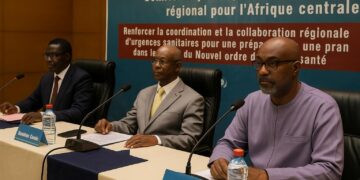
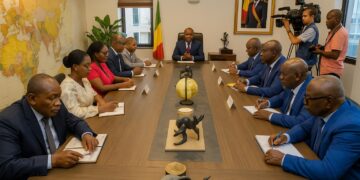
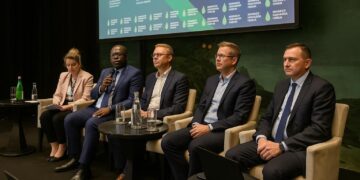
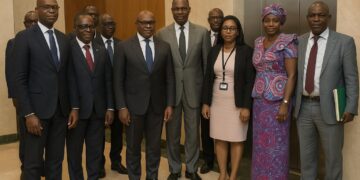
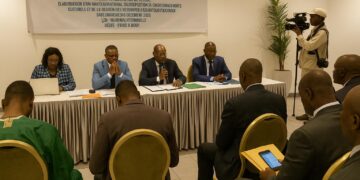
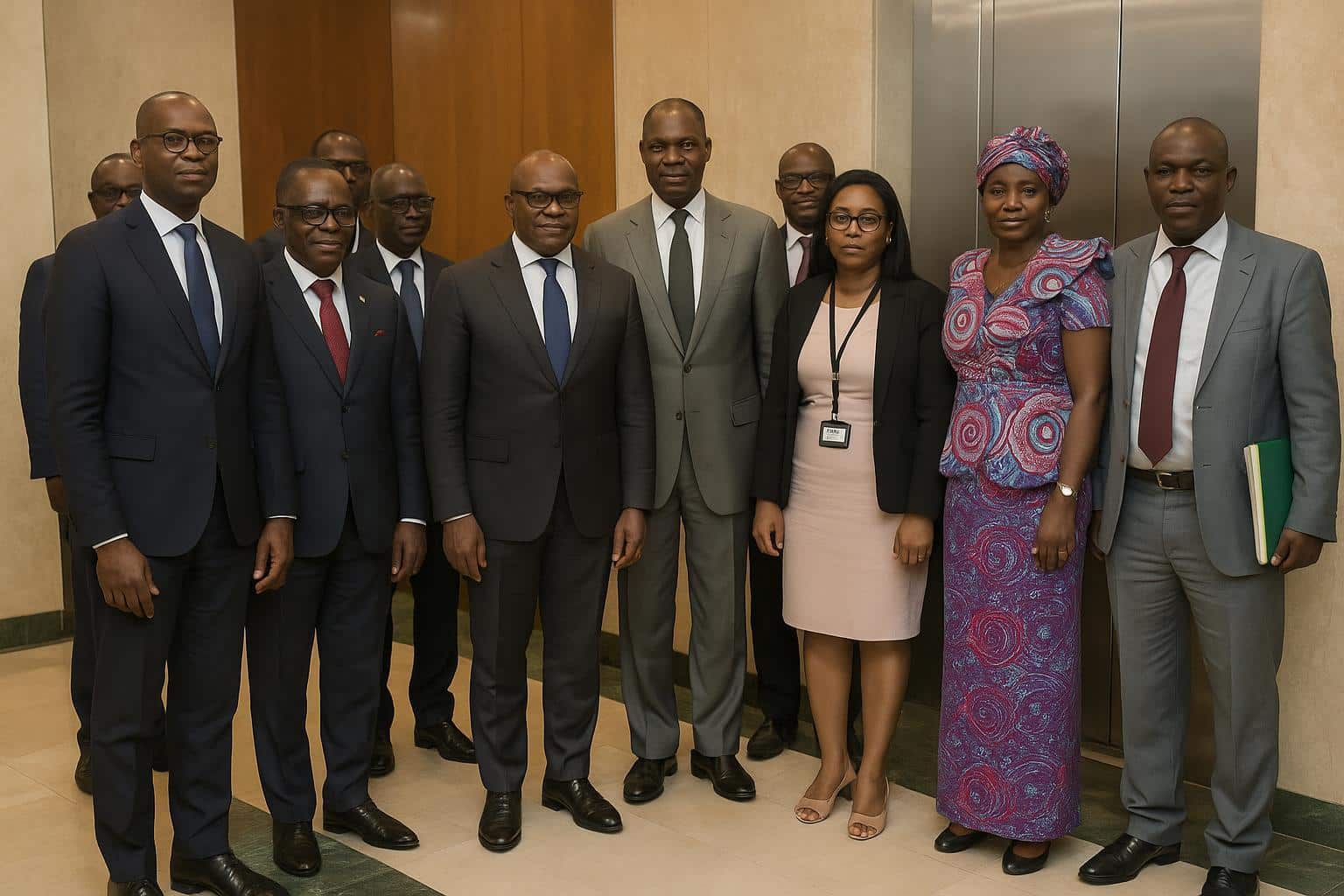
The National Economic and Financial Committee of Congo (CNEF) closed its 2025 cycle on 8 December in Brazzaville, confirming that domestic activity accelerated during the third quarter. The meeting, chaired by Finance Minister Christian Yoka, delivered a cautiously optimistic macro-diagnosis for 2025.
Officials drew on consolidated data from the Bank of Central African States (BEAC), highlighting stronger oil investment and a resilient non-oil segment. With these drivers, real GDP is now expected to grow 2.8 percent in 2025 after 1.5 percent in 2024, signalling firming momentum.
Oil investment sustains growth
Upstream spending by international majors under existing production-sharing contracts continued through the quarter, sustaining rigs, services, and associated logistics. According to CNEF, this capital deployment stabilised output and underpinned fiscal receipts, providing the cabinet with latitude to advance the National Development Plan without reopening the budget.
Exploration and infill drilling at Djeno and Moho fields also filtered through supporting industries, from marine transport to local catering. Senior officials reiterated that Petroleum Code incentives adopted in 2016 remain intact, a signal welcomed by existing partners such as TotalEnergies and Perenco during side-meetings.
Non-oil sectors inch forward
Outside hydrocarbons, agro-industry, telecoms, and construction posted visible gains. The CNEF communiqué underscored progress on the fibre backbone financed with Chinese support, which is lifting digital inclusion and unlocking fintech solutions for smaller firms. Meanwhile, gradual disbursement under the 2024-2026 roads programme stimulated cement demand.
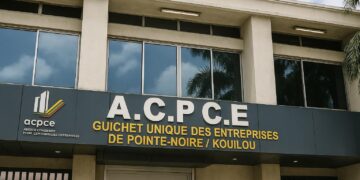
Manufacturing still operates below capacity, yet anecdotal surveys collected by BEAC branches in Pointe-Noire suggest order books are lengthening for timber processors and beverages. Observers attributed the shift to firmer regional demand and the recent easing of administrative procedures at the single-window trade platform.
Inflation contained within CEMAC target
Price dynamics moderated, with headline inflation projected at 3.0 percent, comfortably inside the CEMAC convergence criterion. CNEF analysts linked residual pressures to seasonal food imports and disruptions in electricity distribution following maintenance at the Moukoukoulou dam. Authorities expect easing once rehabilitation contracts reach full execution.
Stable prices allowed the Monetary Policy Committee in Yaoundé to hold its tender rate at 5.25 percent during September, a stance that local treasurers say preserves affordable refinancing. The decision aligns with BEAC’s medium-term objective of anchoring expectations without derailing recovery across CEMAC economies.
Credit expansion and banking health
Commercial banks expanded gross lending by 27.9 percent to 1,816.4 billion CFA francs as of end-August, reflecting demand from oil services, trade, and consumer segments. Nonetheless, non-performing loans climbed 15.7 percent to 264.8 billion, prompting regulators to re-emphasise prudential provisioning guidelines.
Market appetite showed in public debt auctions, where the Treasury covered 94 percent of its planned issuance over the period. Weighted average yields hovered near 5.8 percent, broadly stable quarter-on-quarter, suggesting investor confidence in fiscal consolidation efforts articulated under the current IMF programme.
Regional performance across CEMAC
Across the wider CEMAC bloc, BEAC reported that its composite index of economic activity grew 6.7 percent year-on-year, easing from 8.0 percent previously. Inflation averaged 2.8 percent in September, markedly below the 4.3 percent logged a year earlier, underscoring converging price trends.
Regional projections place 2025 growth at 2.6 percent, marginally softer than 2024, yet policymakers consider the trajectory sustainable given simultaneous fiscal consolidation. BEAC Governor Yvon Sana Bangui emphasised during the Brazzaville briefing that resource-rich members must balance spending with buffers to manage future commodity swings.
Global backdrop remains supportive
Internationally, the CNEF statement cited persistent geopolitical frictions and evolving trade policies in the United States. Despite the headwinds, the IMF’s October 2025 World Economic Outlook lifted global growth forecasts to 3.2 percent for 2025 and 3.1 percent for 2026, supporting external demand.
Commodity markets remain volatile, yet Brent prices averaging around 80 dollars a barrel still provide comfortable fiscal room for Brazzaville, according to participants. Analysts from the Economic Research Directorate stressed that ongoing structural reforms—tax digitalisation, customs modernisation, and targeted subsidies—will be key to securing competitiveness.
Reform agenda and investor watchpoints
For investors, the message is clear: growth is gathering pace while macro fundamentals stay within regional convergence limits. Maintaining vigilance on bank asset quality, electricity reliability, and project execution will help translate the current cyclical rebound into a durable trajectory aligned with Congo’s 2022-2026 roadmap.
Minister Christian Yoka closed the session noting that dialogue with multilateral partners remains constructive and that the upcoming finance bill will embed the latest assumptions. He reiterated government commitment to prudent debt management, a stance lauded by attending commercial bankers and portfolio managers.
The cabinet plans to finalise a medium-term expenditure framework early 2026, integrating climate resilience for forestry projects. Officials say greener budgeting could unlock extra concessional funding and attract private climate finance.
Meanwhile, the digital tax platform piloted with African Development Bank support is slated for nationwide rollout by June 2025, a reform projected to lift non-oil revenue by almost one percentage point of GDP.