


























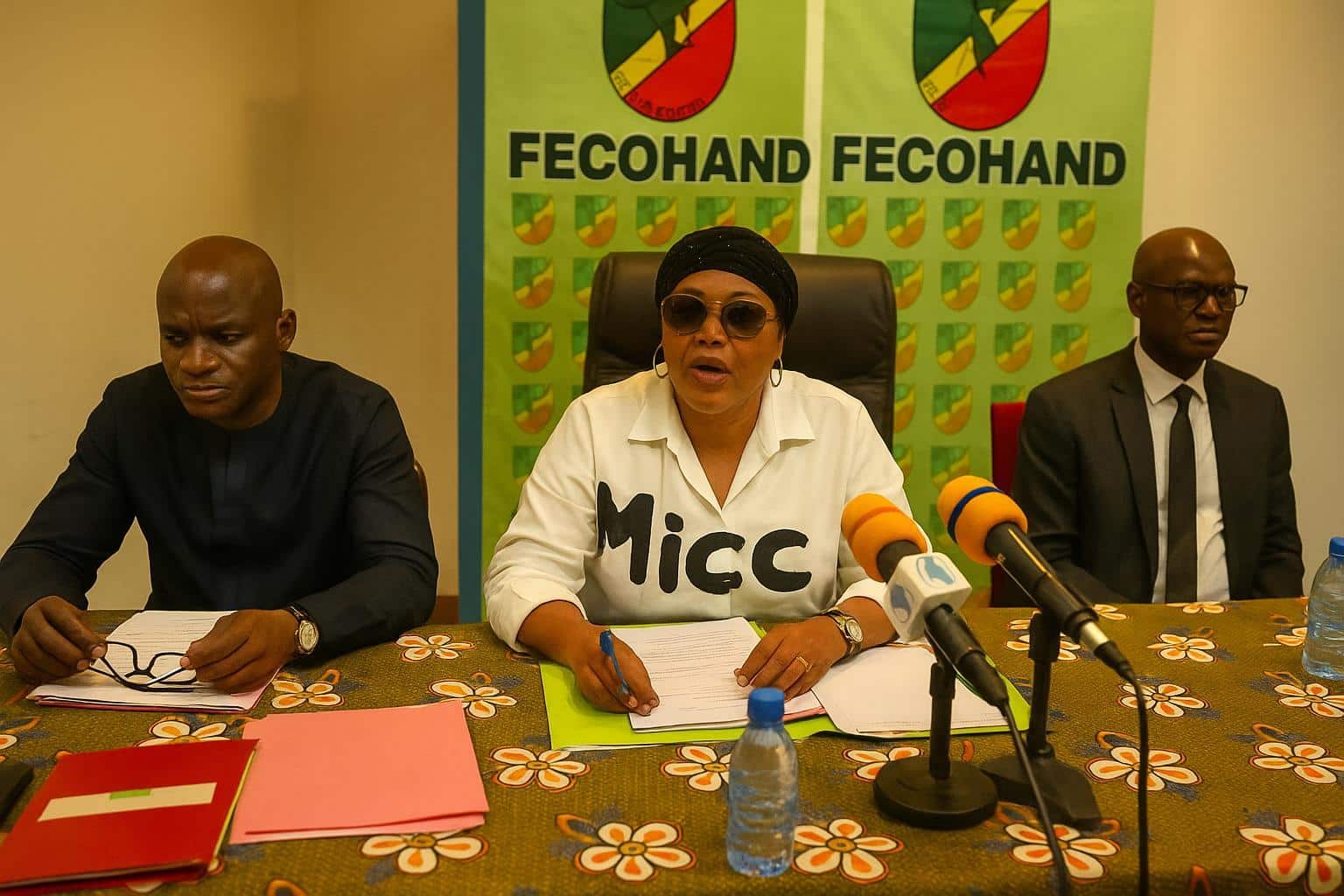
Strategic reset at FECOHAND
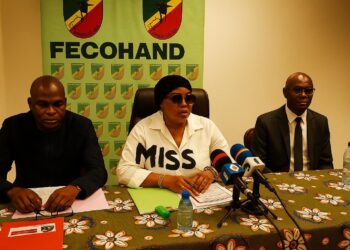
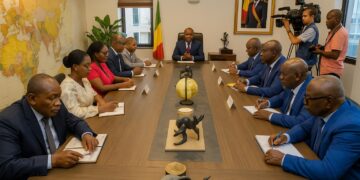
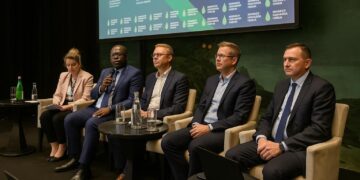
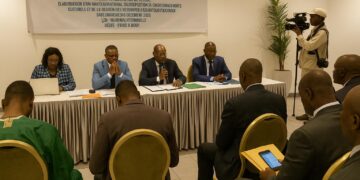
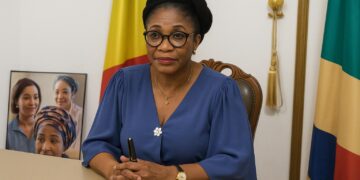
At its inaugural council and working congress on 4 November 2025 in Brazzaville, the Congolese Handball Federation, FECOHAND, led by newly elected president Ambroisine Linda Noumazalaye, endorsed a sweeping package of statutes, reforms and resolutions that aim to modernise domestic handball governance.
Delegates framed the session as a decisive turning point after years of fragmented competitions and strained club relations; the agenda balanced regulatory tightening with developmental incentives, reflecting broader national efforts to professionalise sport and attract fresh capital into high-potential entertainment segments.
Observers noted the supportive presence of government representatives, underscoring institutional alignment between FECOHAND and public authorities as the federation positions itself as a responsible partner for investors, sponsors and international bodies.
Visa requirement curbs parallel tournaments
The most debated measure concerns private tournaments that have flourished on the margins of official calendars. Organisers often tapped social media and local patronage, generating visibility yet diluting federation revenues and exposing athletes to uneven medical, insurance and refereeing standards.
Under the new by-law, any entity seeking to stage a handball event must secure a prior federal visa. Failure to comply triggers financial penalties calibrated to projected gate receipts, while clubs and athletes involved risk disciplinary suspensions that could jeopardise their season objectives.
Noumazalaye argues the approach is neither punitive nor protectionist but designed to unify the product, raise safety benchmarks and deliver verifiable audience data that potential sponsors or broadcasters increasingly require before committing long-term resources.
Single gateway to African interclubs
The congress also closed a procedural loophole that allowed ambitious teams to register directly with the African Handball Confederation for continental competitions. From now on, files will transit through FECOHAND’s secretariat, which will vet administrative compliance and financial solvency before transmission.
According to the secretary-general interviewed by Radio Congo, the filter reduces last-minute withdrawals that hurt the country’s reputation and waste scarce foreign-exchange allocations earmarked for travel. It also gives the federation leverage to align club commitments with national team preparation cycles.
Clubs welcomed the clarity, noting that a single window simplifies paperwork and may unlock collective bargaining for discounted flights or accommodation, a non-trivial component of budgets denominated mostly in hard currency.
Professional league project in Brazzaville
Perhaps the most transformative announcement is the planned launch of a professional league based in Brazzaville. The project, endorsed unanimously, seeks to provide athletes with formal contracts, medical coverage and regular salaries, thus shifting handball from semi-amateur status toward a sustainable career path.
FECOHAND cites market studies indicating robust urban audiences and sponsorship appetite, particularly among telecom and beverage companies eager to place branding within live entertainment. A city-centric model reduces logistical costs and offers broadcast partners predictable scheduling for domestic and diaspora viewers.
The federation aims to finalise a franchise handbook by mid-2026, covering salary caps, youth quotas and revenue-sharing. Early drafts propose tax incentives aligned with government priorities to stimulate private investment in sports infrastructure and ancillary services.
An independent advisory board, comprising legal, marketing and athlete-welfare experts, will oversee franchise approvals, providing investors with due diligence comfort and mitigating reputational risk, a feature that mirrors governance codes adopted by leading leagues across Africa and beyond.
Preliminary talks with two regional banks suggest interest in structuring a revolving facility to smooth cash flow for the inaugural season.
Fiscal discipline and development plan
Delegates approved a four-year development plan and the 2025-2026 budget, signalling a shift toward medium-term fiscal discipline. The document ring-fences spending on grassroots programmes, coaching certification, digital ticketing and performance analytics, areas previously financed sporadically through ad hoc donations.
Disciplinary sanctions issued under previous administrations were lifted to foster reconciliation, a decision applauded by veteran coaches who view unity as essential before major continental qualifiers return in 2027. The move also expands the talent pool available to selectors.
Funding projections rest on diversified revenue streams, including broadcast rights, merchandising, and a modest levy on ticket sales. FECOHAND’s finance commission believes the structure will limit reliance on public subventions, compatible with broader fiscal consolidation targets outlined by the Ministry of Sports.
Outlook for investors and stakeholders
For domestic financiers, the regulatory clarity reduces compliance risk and could catalyse venue upgrades. International stakeholders see a pathway to join a growth market anchored in the Congo Basin, a region increasingly attractive because of its young demographics and expanding mobile penetration.
Athletes, meanwhile, anticipate more competitive calendars and basic social security coverage, elements likely to curb the drain of top talent to neighbouring leagues. Coaches expect the coaching-licence framework to raise technical standards and, over time, enhance national team rankings.
As the Noumazalaye administration enters its first full season, its success will hinge on disciplined execution and transparent communication. For now, the decisive tone set in Brazzaville suggests Congolese handball is preparing to step onto a bigger commercial stage with renewed cohesion.