




















Shanghai dialogue places trade over aid
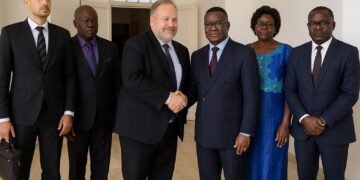
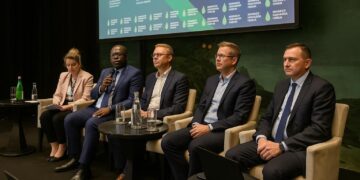
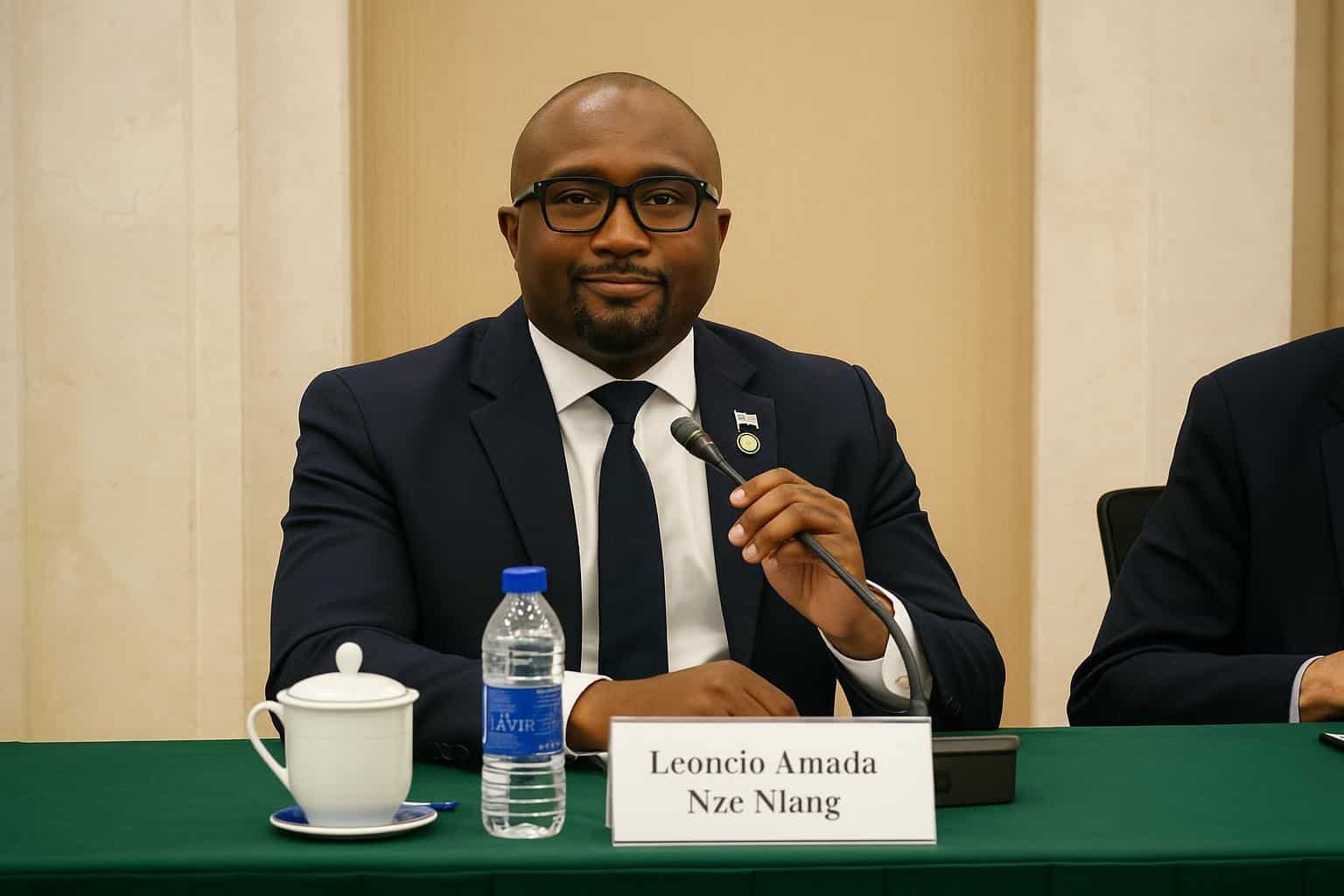
Calls for a decisive shift from aid-centric models to trade-led growth dominated the Third Global South Think Tanks Dialogue in Shanghai, held from 2-4 December 2025. Speaking for the African Energy Chamber, Leoncio Amada NZE argued that South-South exchange can anchor more resilient development trajectories across Africa.
Why the stakes are high for CEMAC
Central Africa houses prolific oil, gas and mineral deposits yet captures a modest share of global capital flows. Foreign direct investment into the six-member CEMAC bloc averaged below 2 % of Africa’s total in 2024, according to UNCTAD, as investors cite fragmented markets and rigid forex rules.
Investment goals in Republic of Congo and neighbours
Regional governments set ambitious production benchmarks: Gabon targets 220,000 barrels per day, the Republic of Congo aims for 500,000 bpd, Equatorial Guinea advances its gas monetisation strategy, while Cameroon presses ahead with new offshore developments. Authorities say hydrocarbons can finance diversification and job creation provided financing hurdles ease (African Energy Chamber).
Fiscal and monetary bottlenecks persist
Tighter transfer regulations introduced by the Bank of Central African States in 2022 lengthened payment cycles and raised transaction costs for cross-border projects. Analysts at the African Development Bank caution that such measures, although intended to preserve reserves, have inadvertently slowed upstream investment and delayed regional power-pool initiatives.
From barriers to bridges
Amada NZE urged a coordinated dismantling of regulatory frictions, coupled with harmonised standards for energy, mining and logistics. He argued that streamlined customs corridors, mutual recognition of certification and digital single windows could lift intra-African trade by up to 30 % within five years, echoing AfCFTA projections (AfDB 2023).
Technology transfer as growth catalyst
The Chamber emphasised technology partnerships with Asia, Latin America and the Middle East. Floating LNG, carbon capture and digital well-management solutions were cited as priorities. Chinese EPCs and Gulf sovereign funds increasingly show appetite for joint ventures that embed skills locally, enabling African operators to climb the value chain.
Private sector at the forefront
According to Amada NZE, entrepreneurship and medium-sized African firms must spearhead industrialisation. He called for targeted credit lines, export-guarantee schemes and predictable royalty regimes to crowd in domestic capital. Successful case studies from Côte d’Ivoire and Senegal suggest that local content laws aligned with investor clarity spur manufacturing clusters.
Balancing global partnerships
While South-South ties deepen, Western financiers remain pivotal. Multilateral lenders, commercial banks and climate-aligned funds offer concessional debt and risk mitigation tools indispensable for large pipelines, gas plants and transmission lines. Shanghai panellists agreed that diversified funding sources reduce exposure to commodity cycles and strengthen fiscal buffers.
Energy security and climate goals
Greater regional integration can advance both energy access and decarbonisation. Joint refining hubs would lower fuel import bills, and shared gas infrastructure could displace high-carbon fuels. The Chamber sees a role for voluntary carbon markets to monetise Congo Basin forests, generating revenue while protecting a critical global carbon sink.
Logistics corridors unlock mineral wealth
Beyond oil and gas, CEMAC’s copper, cobalt and manganese projects depend on reliable transport. Progress on the 1,300-km Libreville–Brazzaville rail link, championed by the Republic of Congo and Gabon, could cut export times by 40 %. Stakeholders in Shanghai urged accelerated feasibility studies and blended-finance structures.
Digital solutions reduce friction
Single-window platforms for customs clearance, blockchain-enabled cargo tracking and e-payment gateways are gaining traction. Cameroon’s e-Port platform reportedly trimmed clearance times at Douala by two days. Replicating such tools across CEMAC would enhance competitiveness and reassure investors wary of administrative opacity.
Human capital remains decisive
Panellists stressed vocational training aligned with industrial needs. Equatorial Guinea’s partnership with the German Technical Cooperation Agency to train welders and process technicians was cited as a scalable model. Amada NZE argued that skilled youth can convert resource endowments into diversified, export-oriented economies.
Political support underpins reforms
Regional heads of state, including President Denis Sassou Nguesso, regularly affirm commitments to the African Continental Free Trade Area and to upstream liberalisation. Continuity of these policies, stakeholders contend, will reassure investors and sustain momentum toward a unified CEMAC market.
Data-driven oversight for transparency
Implementing open data portals on production volumes, royalty payments and contract awards can improve governance without deterring investment. Ghana’s Petroleum Hub disclosures were referenced as best practice. Observers suggested that similar platforms, adapted to CEMAC law, would enhance accountability while preserving competitive confidentiality.
Securing finance for green infrastructure
Climate-aligned bonds are gaining attention. The Republic of Congo’s sovereign green bond, planned for launch subject to market conditions, could fund hydro and solar projects while signaling fiscal innovation. Development partners indicated readiness to provide technical assistance for taxonomy alignment and impact verification.
Roadmap to 2030
The Chamber proposes short-term measures, such as revising foreign-exchange rules, and medium-term steps, including cross-border tariff harmonisation. Longer-term ambitions involve a regional gas network feeding power plants and industrial parks, positioning Central Africa as a competitive, low-carbon manufacturing hub.
Shanghai takeaways affirm Africa’s voice
Amada NZE concluded that Africa’s seat at global policy forums must translate into concrete reforms at home. “Partnerships are vital, but implementation is ours,” he told delegates, reiterating the Chamber’s pledge to monitor progress and facilitate deal-making missions in 2026.
Outlook for investors
With oil benchmarks stabilising and critical minerals demand rising, risk-adjusted returns in Central Africa remain attractive. Successful policy calibration, observers say, could unlock a pipeline exceeding US$50 billion across energy, transport and digital sectors by 2030, heralding a new era of South-South-enabled growth.