







Africa Investment Forum Highlights Intermediary Gap
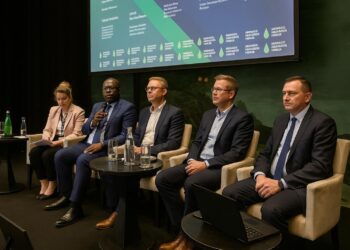
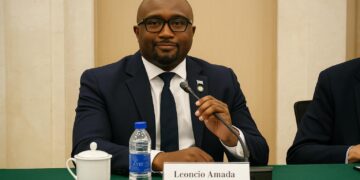
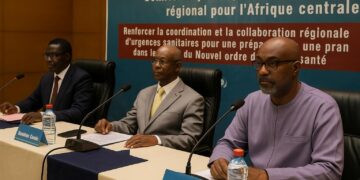
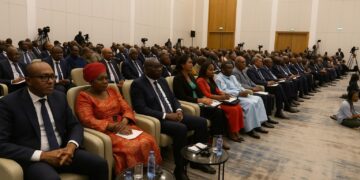
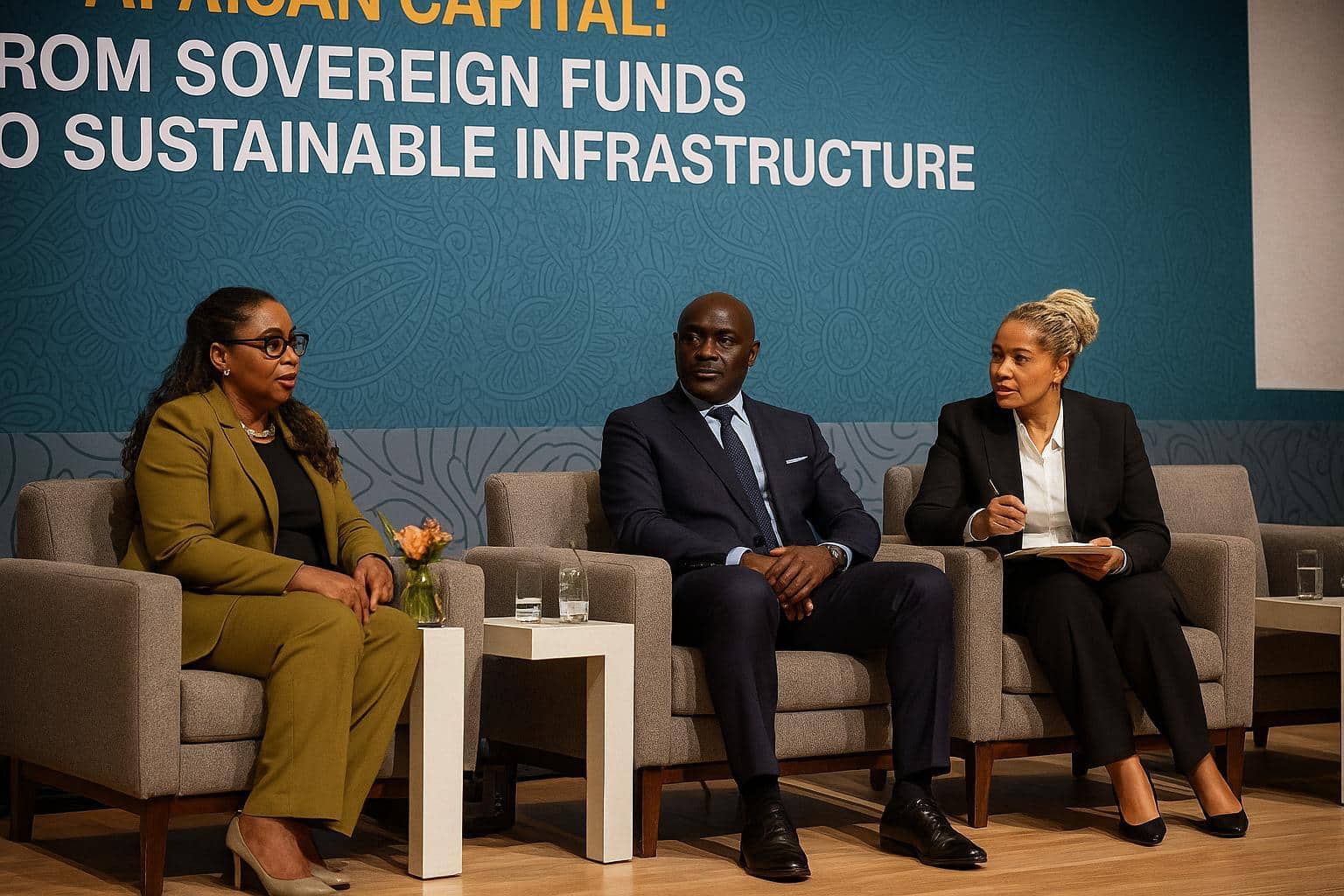
At the 2025 Africa Investment Forum: Market Days in Rabat, delegates heard constant refrain: Africa needs top-tier deal-makers, not more charity. Algest Investment Bank, led by Ivorian-Congolese financier Ibrahim Magassa, emerged as the quiet conduit able to unlock that capital flow (African Development Bank, 2025).
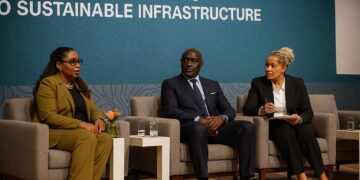
More than 2,000 representatives of sovereign funds, multilateral lenders and corporates confronted the continent’s USD 170 billion annual infrastructure gap. The banker dominated hallway talk after explaining how disciplined project structuring, not speeches, converts macro-opportunity into term sheets acceptable for North-American pension boards and Asian insurers.
Algest’s Two Decades of Complex Deals
Created 22 years ago, Algest has designed or refinanced transactions totalling almost USD 30 billion across West and Central Africa. In Ghana it helped reprofile USD 14.5 billion sovereign debt; in Gabon, USD 2.3 billion hydrocarbon liabilities; in Congo-Brazzaville, strategic programmes worth over USD 7 billion (company data).
The group’s multidisciplinary desks in Brazzaville, Abidjan and Paris run hydrology surveys, traffic counts and fiscal sensitivity tests before a single memorandum reaches an investor. “We see ourselves as civil engineers of finance,” Magassa told the Forum. “A political vision must rest on audit-proof numbers.”
Congo-Brazzaville Success Showcases Blueprint
Pointe-Noire’s port extension offers a textbook example. Algest inserted multi-currency hedging, a tax-stable special purpose vehicle and a concessional tranche co-anchored by the National Development Fund. The structure cut perceived risk by two notches, enabling European insurers to join alongside regional banks (Ministry of Economy, 2024).
Officials in Brazzaville underline that the transaction aligned with the Government’s 2022-2026 National Development Plan, which prioritises logistics corridors and value-adding industries. By placing public policy at the heart of the term sheet, Algest helped ensure rapid parliamentary approval and a smooth sovereign guarantee process.
Investors view the deal as proof that regulatory predictability in the Republic of Congo can coexist with ambitious reforms. “We never felt political uncertainty,” a Gulf sovereign fund manager said on the sidelines. “Data rooms were updated weekly, and procurement milestones matched what was announced.”
Core Ingredients of Bankable Projects
For Magassa, four conditions turn a vision into a bankable asset: exhaustive feasibility studies, transparent cash-flow waterfalls, an enforceable legal framework and early-stage risk participation by domestic institutions. Any weakness raises pricing or shortens tenor, pushing long-gestation infrastructure out of reach.
Algest therefore embeds technical advisors from day one, sometimes before a ministry drafts its request for proposals. Teams model exchange-rate shocks, climate resilience costs and social-impact metrics so that environmental, social and governance investors can underwrite efficiently. “Enthusiasm does not waive due diligence,” the CEO quipped.
Strategic Alignment of Banks, Funds and States
The Forum conversation repeatedly returned to strategic alignment. Investment banks standardise documentation; sovereign funds provide a stabilising equity layer; states supply policy continuity. Magassa likened the trio to a tripod: remove one leg and global capital retreats, however attractive the internal rate of return.
In practice, that tripod is taking shape along the Congo River corridor, where Algest advises on rail and fibre projects spanning Congo-Brazzaville and its neighbours. Regional sovereign funds have pledged seed capital, while governments negotiate common customs codes to protect cross-border cash flows.
Data-Driven Perception Shift
Beyond term sheets, Algest wages a subtler battle: perception management. Detailed traffic datasets for the Henri-Konan-Bédié bridge in Abidjan, later audited by external engineers, now circulate among rating agencies as reference material for African toll-road underwriting decisions.
The bank’s research briefs, often circulated under non-disclosure agreements, map demographic trends, credit behaviour and rainfall variability. When institutions from Toronto or Tokyo discover that spreadsheets rival those of OECD peers, the conversation shifts from risk discount to upside capture, participants in Rabat observed.
UNESCO Mandate Amplifies Influence
Magassa’s appointment as UNESCO Goodwill Ambassador for the Priority Africa initiative intertwines finance with soft power. His visibility allows him to advocate simultaneously for capital markets depth and for skills development, arguing that infrastructure returns are maximised when education systems supply competent operators.
He told delegates that every closing fee earned should spark a scholarship, an incubator or a digital-skills centre. The message resonated with development financiers keen to align with Sustainable Development Goal frameworks without diluting commercial discipline.
A Decisive Decade for African Finance
Africa’s funding appetite will surge as energy transition minerals, digital connectivity and climate adaptation converge. Capital is plentiful, earning real yields below two per cent in developed markets. The gap, Magassa insisted, lies in translation, not availability.
Algest’s pipeline, including a planned green bond for Congolese forestry value chains, suggests private finance can complement concessional flows if projects remain credible. The Republic of Congo’s authorities echo that stance, positioning the country as a hub for sustainable finance in the Congo Basin.
As the November sun set on Rabat, the Forum closed with USD 15 billion of preliminary commitments. Delegates left convinced that Africa no longer seeks handouts. With disciplined intermediation, exemplified by Algest Investment Bank, the continent can reroute global capital toward productive, inclusive growth.