

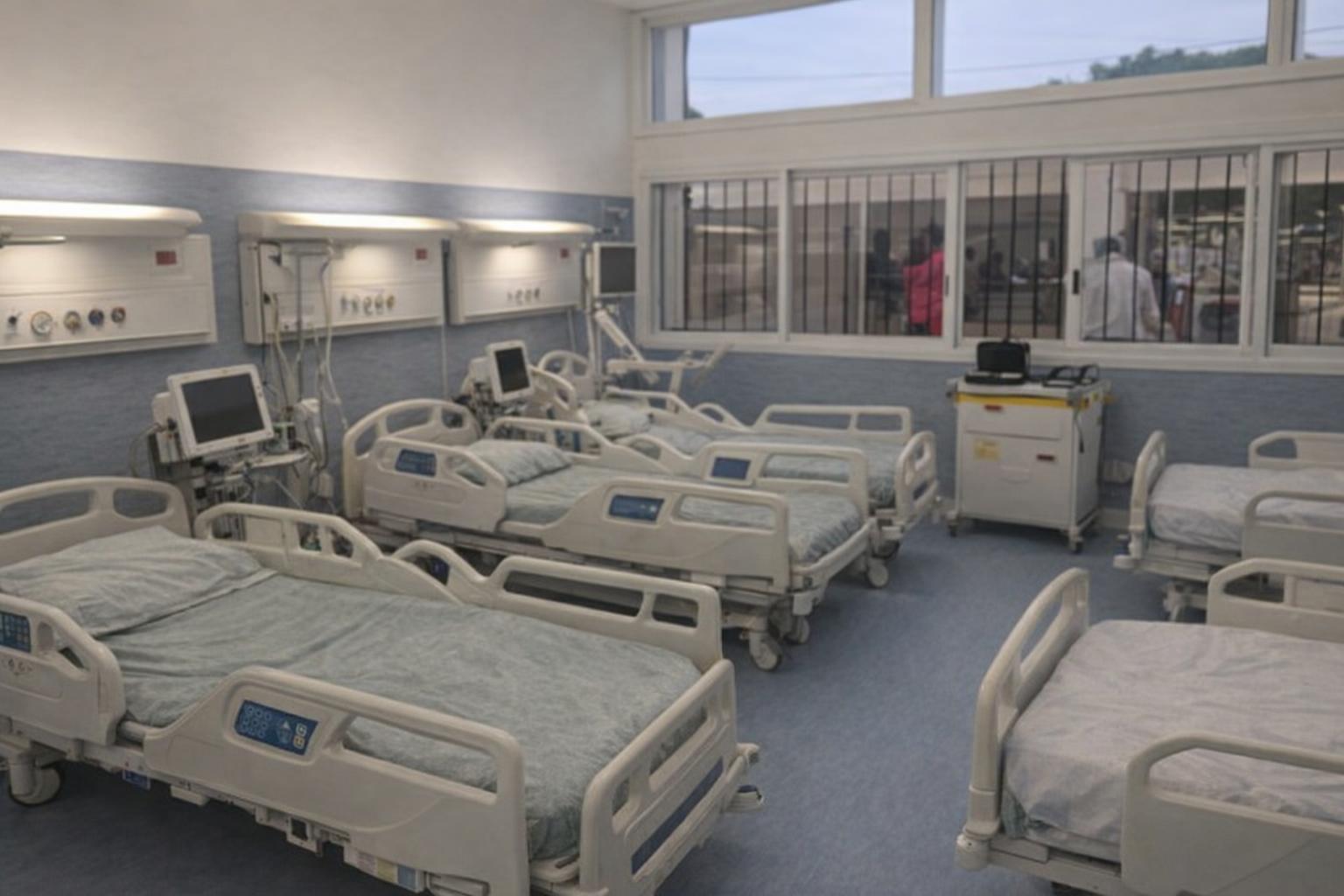
Brazzaville hospital tour highlights bilateral health ties
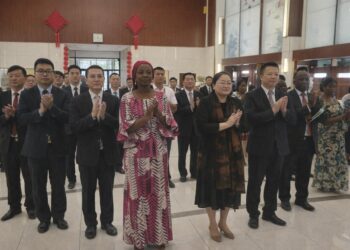
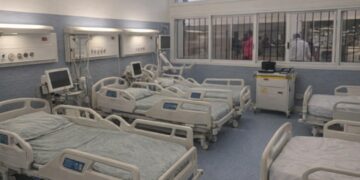
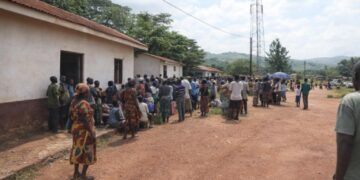
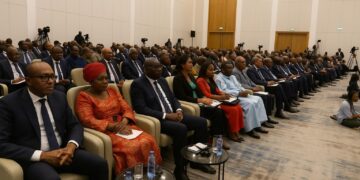
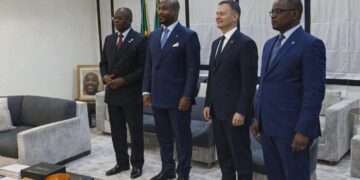
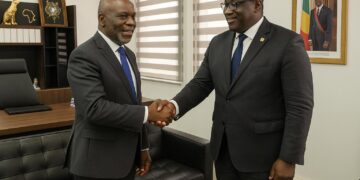
On 9 January in Brazzaville, Italy’s Minister of Health, Orazio Schillaci, and the Vice-Minister for Foreign Affairs and International Cooperation, Edmondo Cirielli, visited the Mère-enfant Blanche Gomes Hospital and the Makélékélé Reference Hospital. Both facilities have received technical equipment supported by Italian financing.
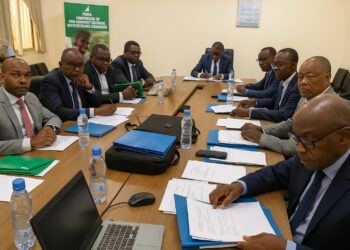
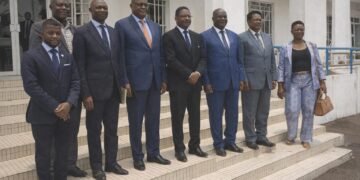
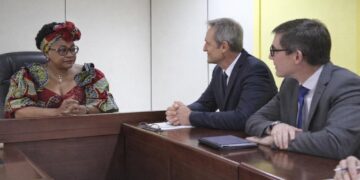
The Italian delegation was joined by Congo’s Minister of International Cooperation and Public-Private Partnership, Denis Christel Sassou Nguesso, and the Minister of Health and Population, Jean Rosaire Ibara. Their joint presence framed the visit as both a technical review and a diplomatic signal of continuity in the partnership.
A €236m package aligned with Italy’s Mattei Plan
The financial support amounts to €236 million, described as more than 150 billion CFA francs. It stems from an agreement signed in November 2024 between the two parties, in line with the Italian government’s Mattei Plan. The stated objective is to develop and equip hospitals and health centers in the Republic of the Congo.
In practical terms, the program is designed to move beyond ad hoc donations by structuring a multi-year intervention across facilities. For decision-makers, this format can improve predictability in procurement, maintenance planning, and the sequencing of renovations with clinical service needs.
Rehabilitation, equipment and training: the delivery model
Rehabilitation and equipment works are carried out by the Italian company Althea. The intervention is not limited to the two Brazzaville hospitals visited; it is also intended to cover health infrastructure in other departments, with the stated aim of strengthening the national health system.
Denis Christel Sassou Nguesso said that improvements were already visible in the visited hospitals and emphasized the next phase. In his words, “beyond the renovation of the technical platforms, the program will continue with staff training,” linking infrastructure to the capabilities required to operate new equipment safely and effectively.
He further explained that the Italian financing is structured as a repayable loan over 18 years with a 0% interest rate. The resources are expected to fund, over a five-year period, rehabilitation works, equipment procurement, and the training of national health personnel, reflecting a combined “hardware and skills” approach.
Nationwide facility list underscores scale and planning needs
Facilities cited as part of the project include the Adolphe-Cissé and Loandjoli hospitals in Pointe-Noire, the Dolisie General Hospital, the 31 July Hospital in Owando, the Edith-Lucie-Bongo-Ondimba Hospital in Oyo, and the National Blood Transfusion Center. The geographic spread signals a nationwide ambition rather than a purely capital-based upgrade.
For investors and development partners, such dispersion typically implies more complex logistics, including transport of equipment, installation scheduling, and after-sales servicing. It also raises the importance of standardizing technical specifications, biomedical maintenance routines, and training modules across different sites.
Congo among Mattei Plan beneficiaries and sector roadmap
Congo is presented as one of the beneficiary countries of the Mattei Plan for Africa launched in 2024 by the Italian government. Denis Christel Sassou Nguesso stated that Congo, “as a State,” is committed to ensuring the program succeeds, while welcoming the trajectory of Congo-Italy cooperation.
He added that the Congolese government is looking, within this program’s framework, at broader sector development including energy, hydraulics, sanitation, health, industry, and agriculture. He underlined that health is the focus of the current visit, while calling for progress in the coming months on the other selected sectors.
The Congolese side, he said, is therefore expected to prepare additional projects to be presented in discussions with the Italian government, with feasibility as the stated criterion. This approach places emphasis on project readiness, technical documentation, and implementable timelines.
Italy signals openness to more projects and telemedicine
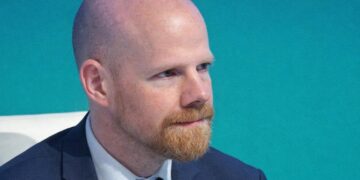
Orazio Schillaci described the visit as evidence of Italy’s intention to deliver on projects already agreed with Congo and to identify further opportunities. “Our presence here testifies not only to our willingness to implement the projects we committed to with Congo, but also to see how we can carry out other projects,” he said, referring to what the delegation observed in the two hospitals.
He added that Italy is ready to receive projects proposed by the Congolese side so they can be implemented “in a more integrated framework,” and reaffirmed that Italy values the cooperation. Schillaci also highlighted Italy’s current engagement in developing telemedicine, presenting it as potentially useful for access to care in the Congolese context.
Operational outlook for implementation and service delivery
Taken together, the visit and the financing terms outline a program that combines infrastructure rehabilitation, technical equipment upgrades, and capacity building. The emphasis on training suggests an intent to embed sustainability in daily hospital operations, from clinical use to equipment maintenance and patient safety workflows.
The sequencing over five years, and repayment over 18 years at 0% interest, creates a time horizon that may support continuity in implementation. For the public sector, the immediate challenge will be coordinating project execution across multiple sites while ensuring that the upgraded platforms translate into measurable improvements in care delivery.