







Inclusive civic movement launches in energy hub
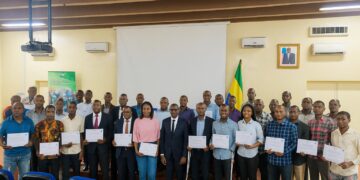
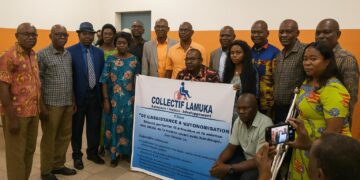
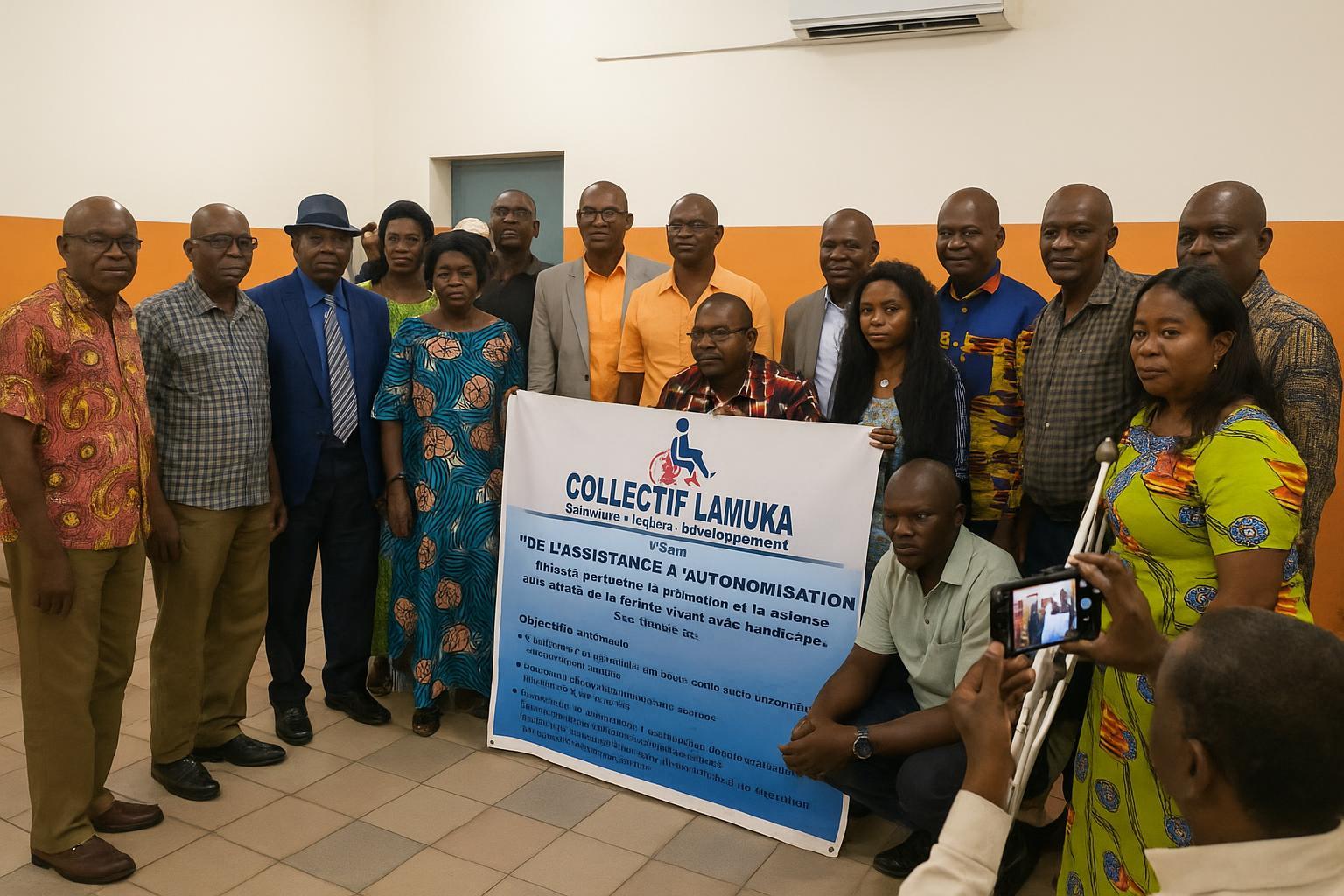
A new civic platform is taking shape in Congo-Brazzaville, aiming to reposition women and girls with disabilities in national development. Launched in the energy hub of Pointe-Noire on 30 December 2025, the Lamuka Collective’s departmental bureau sets out to translate solidarity into practical rights.
Government endorsement and policy alignment
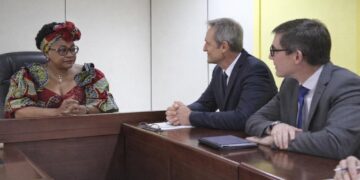
Officials from the district administration and the Ministry of Social Affairs attended the unveiling, underscoring endorsement seldom extended to grassroots disability movements. Their presence signalled that Lamuka’s agenda aligns with the government’s inclusive human capital vision in the 2022-2026 National Development Plan.
A personal fight for dignity
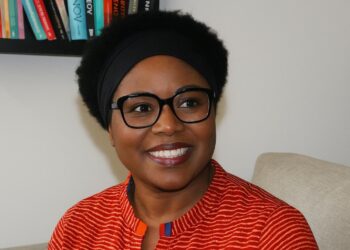
For departmental coordinator Pouliguen Maya, the struggle is personal and political. She reminded participants that disability neither erases dignity nor curtails agency, and that assistance must be viewed as an empowerment lever rather than charity in the oil-rich coast where inequalities remain stark.
Persistent gender-based challenges
Lamuka’s birth stems from a painful reality: many Congolese women with disabilities still endure gender-based violence, economic exclusion and limited access to information about their bodies and their rights, particularly in peri-urban settlements round the port city.
Solidarity, justice and development compass
The collective therefore focuses simultaneously on education, awareness and inclusive sexual and reproductive health services, anchoring its strategy in the triple pledge of solidarity, justice and development that forms its moral compass.
Tchicol Ti Buzimbu: flagship programme
Its 2025-2026 programme, branded Tchicol Ti Buzimbu—The School of the Forgotten—sets out flagship actions to boost social inclusion, deliver equitable schooling and support the most marginalised households.
Empowering through training and markets
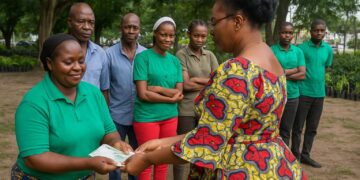
Economic empowerment stands at the programme’s core. Lamuka plans to connect beneficiaries to vocational training, micro-projects and market information so that entrepreneurship thrives even where mobility challenges persist.
Combating gender-based violence
Another pillar is the prevention, reporting and redress of gender-based violence. Dedicated focal points will accompany survivors, liaise with police and clinics, and ensure confidentiality. Such support remains scarce outside the capital.
Closing health access gaps
Health also features prominently. By advocating for inclusive sexual and reproductive services, the collective aims to bridge gaps that often leave women with disabilities outside routine screenings and family-planning clinics.
Digital storytelling and media reach
Amplifying voices is not limited to community radio slots. Lamuka intends to train spokespersons in digital storytelling so that disability narratives occupy mainstream social networks. The collective is negotiating slots on Pointe-Noire’s bustling FM band and exploring partnerships with tech start-ups for accessible content creation tools.
Diaspora engagement strategy
A growing Congolese diaspora eager to remit skills, not only funds, could become a strategic ally. Virtual mentoring programmes are on the drawing board, enabling specialists in Paris or Montréal to coach local trainers, share curriculum resources and open market doors for inclusive products.
From NGO to social enterprise
Long-term, Lamuka aspires to morph into a social enterprise, balancing grants with revenue from consultancy on universal design and inclusive workplace audits. Such a model, if realised, would cement financial sustainability while scaling the collective’s influence across neighbouring Kouilou mining corridors.
Accountable leadership team
Internally, governance mirrors the movement’s accountability ethos. Pouliguen Maya coordinates strategic direction, assisted by secretary general Léopold Ngoulou, communication lead Uldevert Massanga, finance secretary Djaf Biboka and monitoring head Cherubin Miemo.
Backing from RAPHPK network
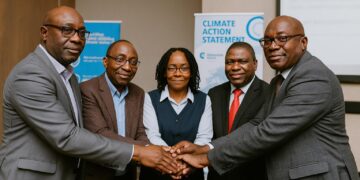
Seasoned activist Gaston Yomo, chair of the local network RAPHPK, has agreed to sponsor the new structure. He pledged expertise drawn from years of navigating advocacy channels so that Lamuka can scale faster.
Support from Social Affairs and Law 18-2025
Public authorities have already signalled operational backing. Marie Victoire Mitolo Koumba of the Tié-Tié Social Action Office urged the collective to leverage Law 18-2025 on the protection and promotion of persons with disabilities, promising facilitation where administrative hurdles arise.
The legislation, adopted on 25 July 2025, translates constitutional principles into concrete rights, ranging from barrier-free infrastructure to inclusive hiring incentives. Anchoring Lamuka’s projects within this framework may unlock public funding lines and tax advantages for partner companies.
Opportunities for ESG investors
For investors with environmental, social and governance mandates, Lamuka offers a ready-made channel to deliver measurable social impact in the Congo’s industrial heartland. Supporting adaptive training centres or disability-friendly value chains can de-risk operations by building community trust.
Corporate collaborations in logistics
CSR-minded corporates may also find alignment with the government’s strategy to increase labour-force participation from vulnerable groups, a priority for stabilising household incomes amid oil price cycles. Early partnership discussions reportedly focus on apprenticeship schemes within the port logistics cluster.
Tracking performance and impact
Funding, nevertheless, must be matched by rigorous monitoring. Cherubin Miemo’s team is designing indicators on school enrolment, income generation and survivor referrals, with quarterly reports to the coordination bureau and the Social Affairs directorate.
Pointe-Noire as a regional model
As 2026 approaches, the collective is positioning itself as a laboratory for inclusive development where public, private and community actors converge. If its pilots succeed, Pointe-Noire could become a reference point in the sub-region for translating disability policy into everyday opportunity.
Momentum for inclusive rights
The coming months will test Lamuka’s capacity to convert pledges into outcomes; yet early collaboration across state, business and civil society suggests the momentum around disability rights is gaining durable institutional traction.