




















Mindouli pilot puts skills at the centre of rural growth
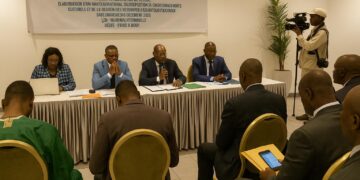
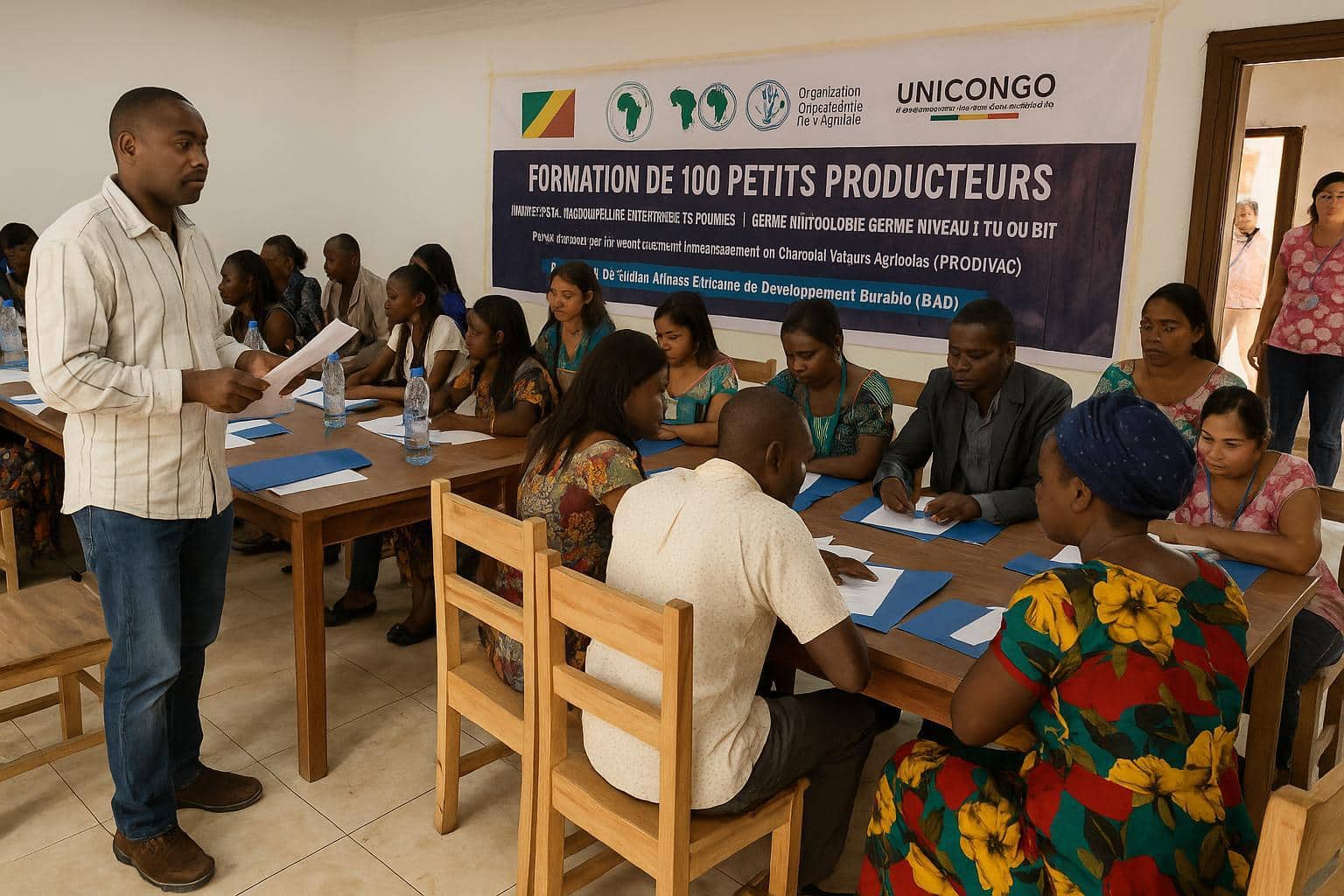
From 27 November to 13 December, one hundred smallholders gathered in Mindouli for the first local delivery of the International Labour Organization’s “Gérez Mieux Votre Entreprise” curriculum. Funded by the African Development Bank, the experiment seeks to professionalise agriculture across Congo’s Pool department.
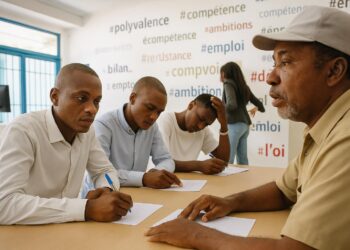
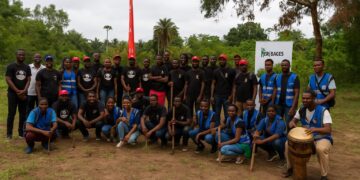
The trainees were divided into groups of twenty and mentored by advisers already certified under Germe Level I. Classroom case studies blended with peer clinics, urging producers to map risks, cashflow and demand before sowing or buying inputs.
Officials underline that stronger human capital complements the National Development Plan 2022-2026, which prioritises import substitution and competitive value chains in food production.
Germe methodology translated into local agribusiness realities
Developed by the ILO, Germe covers procurement, inventory, cost estimation, marketing, bookkeeping and team leadership. In Mindouli each concept was localised, using cassava, maize and cattle cycles so that ratios and ledgers became tangible storyboards.
Trainer Andely Beeve Baptiste-Junior stressed the importance of reliable records. “Once you see your numbers, you negotiate from strength,” he told farmers while matching feed costs with projected carcass weights.
Interactive games complemented lectures. During one simulation, cooperatives built seasonal price calendars, demonstrating that profit is often earned at purchase rather than sale. The lively format sustained attention inside the Foyer de Mindouli despite afternoon heat.
Farmers’ feedback affirms appetite for business literacy
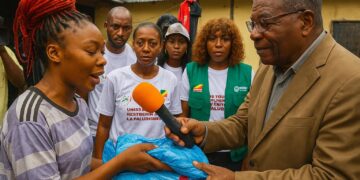
Cattle breeder Albert Ngoma, 57, initially expected husbandry tips yet left convinced that strategy matters as much as feed ratios. After comparing speculative buying with contract farming, he concluded that risk can be channelled, not merely endured.
Raymonde Bassilaho, a 51-year-old cultivator, valued the module on family dynamics. In Congo an enterprise frequently overlaps with the extended household, making it critical to separate personal obligations from working capital.
Both participants urged authorities to replicate the training beyond Mindouli, arguing that understanding business cycles should become a prerequisite for rural success, a view that echoes AfDB’s inclusive growth agenda.
Job creation and youth inclusion underpin the programme
The roll-out explicitly tackles youth unemployment. Prodivac data suggest that every commercial hectare of cassava can create two direct jobs while stimulating transport, packaging and retail activities.
Cooperative delegates pledged to share manuals with younger relatives returning from Brazzaville, hoping to reverse migration patterns. Coordinators estimate the current cohort could indirectly influence 600 livelihoods during the next season.
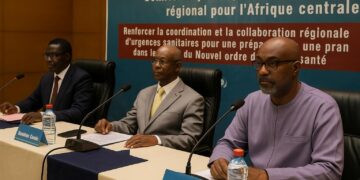
ILO country coordinator Gloria Ondako Oket urged trainees to become “knowledge multipliers”. Her call aligns with government plans to embed entrepreneurship modules in technical colleges, forging a continuum from classroom to plantation.
Financing architecture links skills to capital access
AfDB’s envelope under the Integrative Agricultural Value Chain Development Project exceeds four million US dollars, covering training, seed capital and feeder-road upgrades. The Bank views Mindouli as a pilot that de-risks private investment in upstream food systems.
Structured finance windows, including micro-leasing for equipment, will open in early 2024 once performance metrics from the Mindouli cohort are validated. Commercial banks at the closing ceremony said standardised accounting would make smallholders more bankable.
The Ministry of Agriculture has committed to fast-track cooperative registration and tax incentives under the updated Investment Code, aiming to prevent administrative bottlenecks from diluting the newly acquired skills.
Pathways for scaling across Congo-Brazzaville
A second wave is planned for Kinkala and Kindamba, focusing on agro-forestry and pepper. Trainers intend to integrate mobile dashboards so farmers can track margins in real time, leveraging Congo’s expanding 4G coverage.
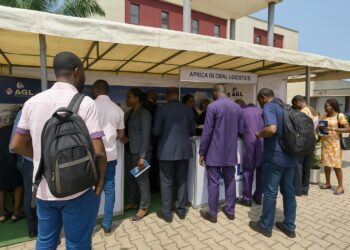
Ultimate success depends on market logistics. The Pointe-Noire corridor absorbs seventy percent of Brazzaville’s fresh produce, yet transport costs remain high. Prodivac is negotiating with logistics firms to aggregate consignments, lowering per-crate tariffs and stabilising prices.
Mindouli’s graduates now carry the momentum. Their progress will be reviewed quarterly and incorporated into a national scorecard on agribusiness competitiveness, giving investors a transparent window into Congo’s evolving rural economy.