

























Pool department: gunfire near Mandou bus station
An armed confrontation on Sunday, 11 January 2026, near the Mandou bus station in Mindouli, in Congo-Brazzaville’s Pool department, generated a wave of fear and displacement. The incident occurred on the strategic Brazzaville–Pointe-Noire heavy road corridor.
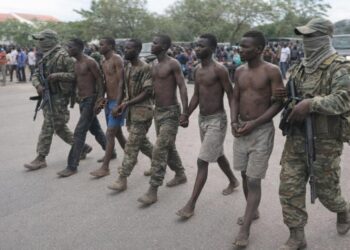
According to local accounts, the clash opposed personnel from the Presidential Security Directorate (D.g.s.p.) and former “Ninja” combatants linked to Pastor Ntumi. The sound of heavy weapons, heard less than one kilometre from the town, revived memories of earlier hostilities in the area.
Population movements toward the DRC border and forests
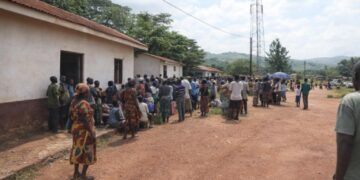
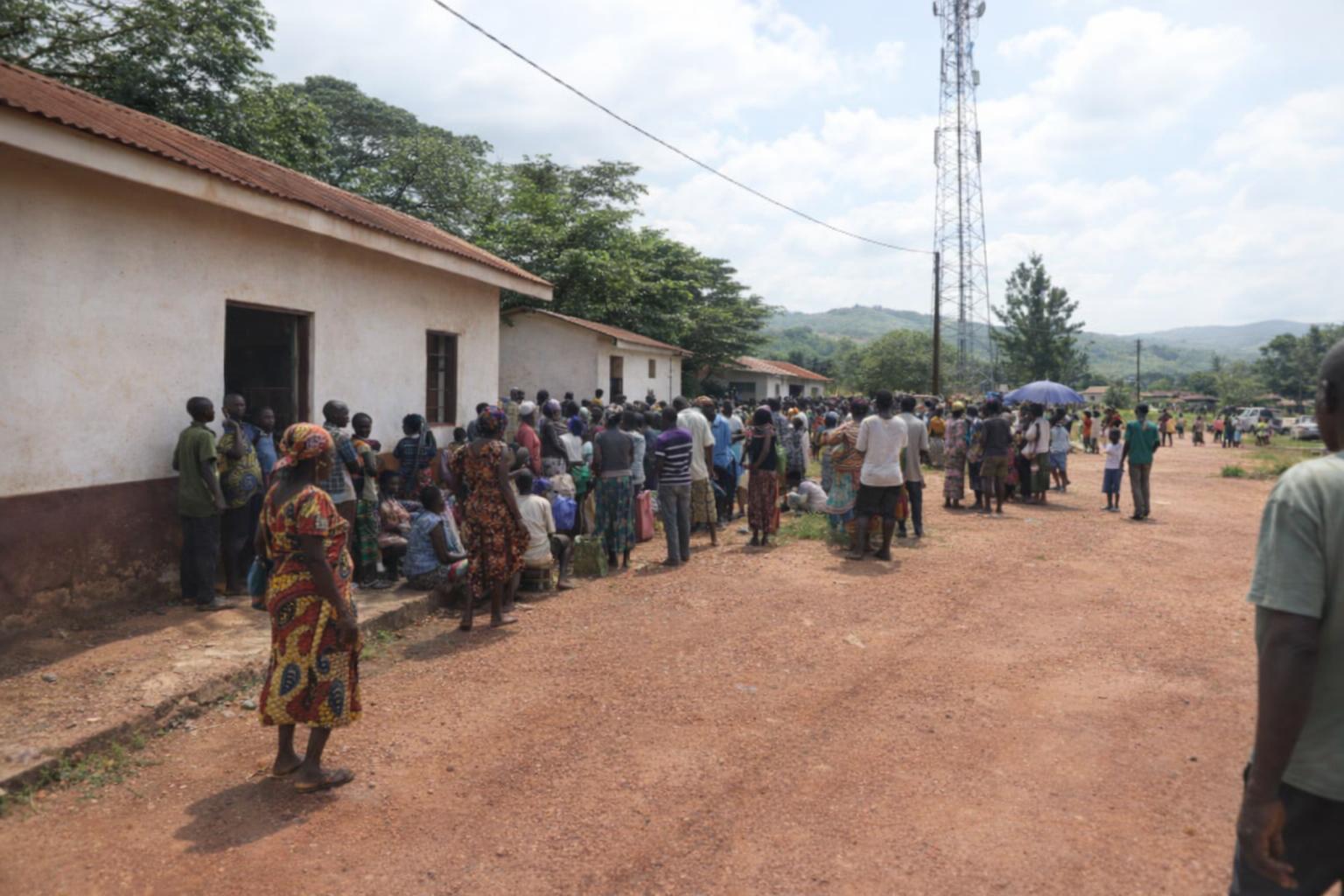
As bursts of gunfire and detonations spread from the transport hub, residents began fleeing almost immediately. Witnesses describe fast-forming groups moving toward the southern hills, aiming either for the border with the Democratic Republic of the Congo or for temporary refuge in the forest.
By the end of the day, Mindouli was reported to have lost roughly three quarters of its residents. Many people interpreted the episode as a signal that conflict could be restarting, a perception shaped by past trauma and by the speed at which violence can disrupt daily life.
Authorities call for calm as security posture clarified
On Monday, 12 January, the commander of the Mindouli military detachment addressed a public meeting at the market, urging residents to return home. He reportedly stated that the army had not taken part in the confrontation, seeking to separate the incident from broader military operations.
Despite that appeal, fear continued to influence behaviour, with some households still opting to leave or to delay their return. In a context where rumours travel quickly, the absence of a single official narrative can magnify uncertainty, especially in communities located along major transport routes.
Casualty reports rely on testimonies amid limited official data
With no comprehensive official communication at the time described, casualty information circulated mainly through testimonies. One deceased person presented by some as a “Ninja” was described by relatives as a civilian: married, father of two, living in Pointe-Noire and travelling to Brazzaville.
The family reportedly organised a vigil and asked the government for assistance to recover the body. Testimonial reporting put the death toll at five people killed by gunfire, including an ex-combatant reportedly found with a hunting rifle. These figures remain dependent on local accounts.
Hospital cases deepen concern for civilians
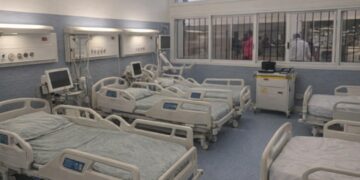
Reports also mention several injured people admitted to hospital. A 12-year-old schoolgirl reportedly died on Monday, 12 January, after being shot while returning from the village of Ntari, adding to the sense of vulnerability among families and commuters.
Another death was reported the previous day: a woman known locally as “maman Césa”, described as a Catholic Christian from Mindouli, who succumbed to her injuries. These accounts reinforced calls from residents for protection and for credible information.
Public order priorities and political signals
From the D.g.s.p. side, no official casualty assessment was communicated in the account provided. However, authorities were reported to be working to restore public order, protect civilians, and support victims—an approach consistent with the state’s stated responsibility to secure key population centres and corridors.
The National Council of Republicans (C.n.r.), Pastor Ntumi’s party, had not issued an official reaction in the same account, although some close to the movement reportedly criticised the government. Videos circulated on social media were said to show threats against national authorities, a reminder of the risks of escalation online.
Brazzaville–Pointe-Noire corridor reopens, confidence still fragile
Automobile traffic was reported to have resumed on the heavy road, a critical artery for trade and mobility between the political capital and the economic hub. Yet travellers reportedly remained uneasy about crossing parts of the Pool department, where perceptions of risk can persist after violence stops.
Other videos circulating online were described as showing armed ex-combatants at the residence of their leader near the roadside. In this environment, stabilisation depends not only on physical security but also on reassurance, lawful conduct, and confidence-building among residents and road users.
Policy implications: security, dialogue, and rule of law
Mindouli’s episode highlights the sensitivity of communities that have previously endured armed episodes. Even a short confrontation can trigger large displacement, disrupting local commerce and regional logistics. For investors and public planners, such shocks underline the premium placed on predictable security conditions.
The account emphasises that peace, once re-established, can remain delicate and requires consolidation. References to dialogue, respect for the laws of the Republic, and protection of citizens point to a governance agenda where security actors, political forces, and communities each have roles in preventing renewed cycles of fear.