
















Strategic Health Infrastructure Program
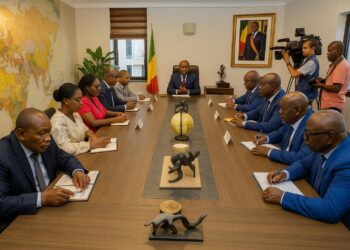
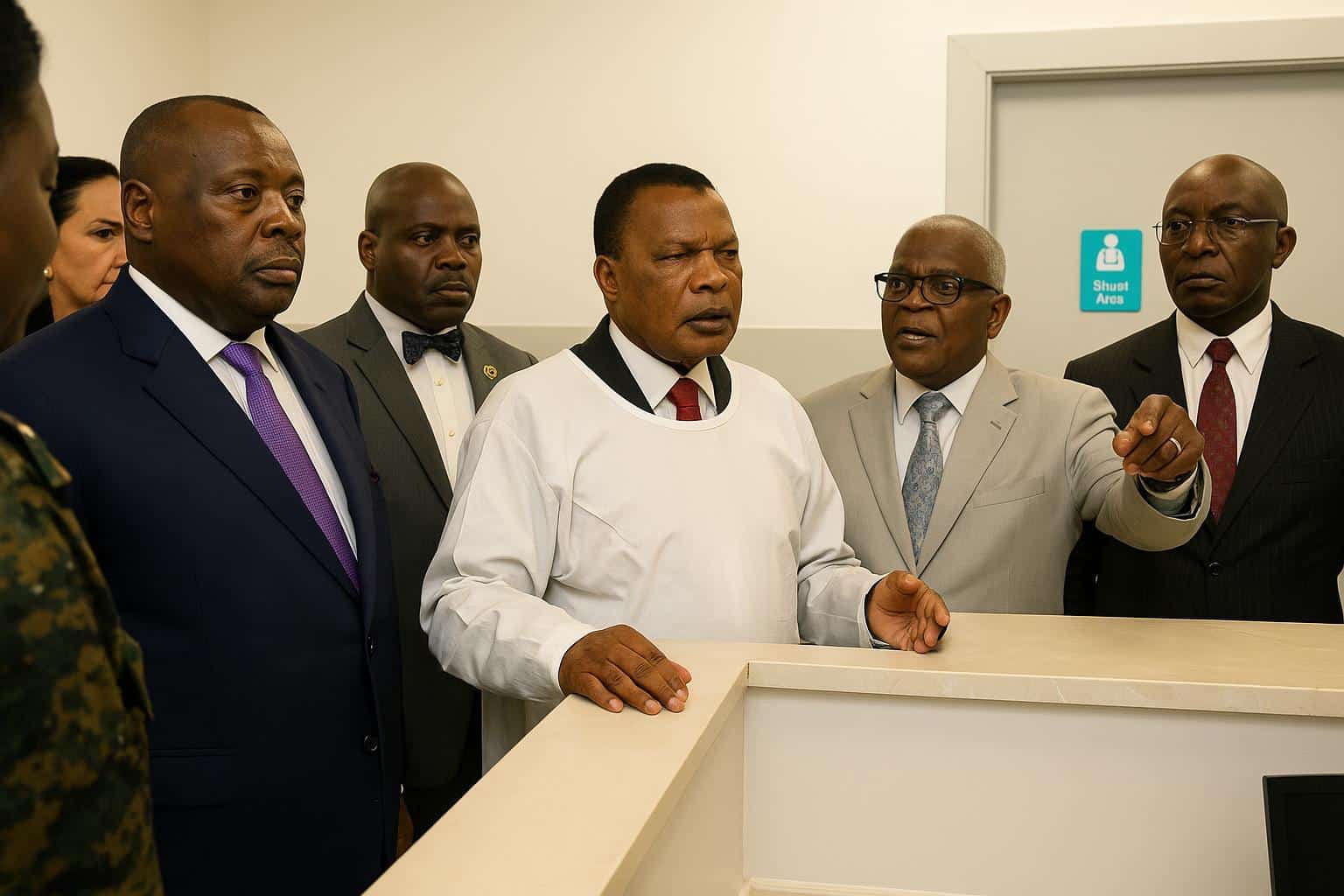
The inauguration of the Ouesso General Hospital on 24 November marks another milestone in the Republic of Congo’s nationwide plan to equip each departmental capital with a modern referral facility, a core pledge of President Denis Sassou Nguesso’s current development agenda.
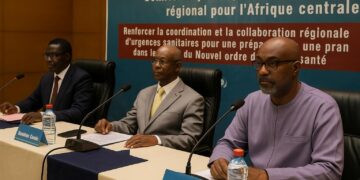
Despite headwinds linked to the regional economic cycle, the government maintains that robust health infrastructure is a pre-condition for inclusive growth, improved human capital, and resilience against future shocks, framing hospitals as productive assets rather than recurrent expenditure.
Ouesso Joins a Growing Hospital Network
Sibiti, Pointe-Noire and Brazzaville have already benefited from facilities of identical standard; Ouesso now completes the northern arc of the initiative, reinforcing national cohesion by reducing both geographic and socio-economic distance to quality care.
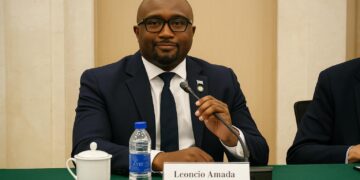
Minister of Health and Population Jean Rosaire Ibara highlighted that four hospitals have been delivered within four years, with two more under construction, underscoring what he called the president’s ‘endurance, patience and perseverance’ in sustaining capital outlays during a period of constrained public revenues.
Design, Capacity, and Medical Offer
The Ouesso complex provides 235 beds distributed across seven operational zones, enabling a continuum that ranges from general medicine to specialized services such as surgery, obstetrics and imaging, thereby reducing the costly need for patient transfers to the coast or the capital.
According to project engineers, imported equipment has been calibrated to tropical conditions, while modular architecture allows future expansion without disrupting core services, a feature appreciated by local authorities eager to anticipate demographic growth in the Sangha department.
Basic utility resilience has also been integrated, with backup power, water treatment and telemedicine connectivity designed to maintain continuity during river floods or grid fluctuations that periodically affect northern districts.
Although the exact budget was not disclosed at the ceremony, officials indicated that over half of the inputs were sourced domestically, from cement to carpentry, in line with import-substitution guidelines that seek to retain value inside the country while safeguarding hard currency reserves.
Governance, Workforce, and Performance
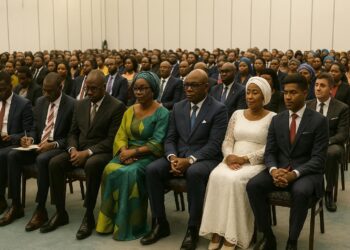
During the ceremony, Minister Ibara reminded doctors, nurses and technicians that discipline and accountability will shape the facility’s reputation, stressing that young Congolese may either emulate or shun the profession depending on staff conduct.
A performance dashboard is expected to track occupancy, infection rates and patient satisfaction; early transparency should help attract multilateral grants for training and rational drug purchasing, complementing the state budget.
Regional medical schools see the hospital as a potential teaching site, opening prospects for partnerships with Brazzaville’s Faculty of Health Sciences and with tele-mentoring platforms connecting practitioners to diaspora specialists.
Recruitment will follow a merit-based national exam, complemented by targeted incentives to attract specialists willing to relocate to the forested north, including housing allowances and career fast-tracking, measures perceived as crucial for mitigating urban-rural skills imbalances.
Economic and Social Externalities
Beyond clinical impact, the construction phase generated local employment and demand for materials, offering a case study in counter-cyclical public spending that stimulates provincial supply chains during commodity downturns.
Post-opening, ancillary services such as catering, maintenance and transport are expected to consolidate micro-enterprise activity, while the hospital’s procurement contracts could anchor predictable cash flow for regional SMEs.
Improved health outcomes often translate into higher labour productivity and school attendance, two parameters closely watched by investors assessing the Sangha’s potential in forestry, ecotourism and cross-border trade.
The hospital will operate under the National Health Insurance framework, enabling civil servants and insured private-sector workers to access services through co-payments, while an indigent fund financed by solidarity levies ensures that vulnerable households are not excluded.
Cultural Anchoring and Public Support
The inauguration concluded with a traditional rite performed by Sangha notables, symbolically ‘sanctuarising’ the site; observers note that such gestures bolster local ownership and can reduce vandalism or theft that sometimes afflict isolated facilities.
Prefect Edouard Denis Okouya called the day ‘historic’, framing the hospital as a signal that the promised Corridor 13 road link, designed to connect Congo to neighbouring Central African markets, will also materialise.
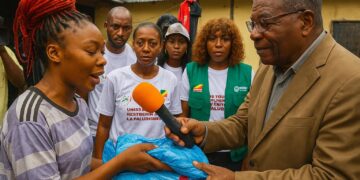
Community health committees, already active in vaccination drives, will be integrated into the hospital’s advisory board, creating a feedback loop that aligns service delivery with local expectations and reinforces the principle that public assets are a shared responsibility.
Perspectives for Investors and Partners
With construction costs already absorbed, the focus shifts to operational sustainability; timely maintenance funding, efficient supply chains and continuous skills upgrading will determine return on investment in terms of public health and wider economic dividends for Congo-Brazzaville.
Stakeholders interviewed during the launch argued that the Ouesso template could encourage future public-private partnerships, particularly for diagnostic centres and pharmaceutical logistics, allowing the state to concentrate on regulation while catalysing domestic and foreign capital.
A digital health information system, slated for deployment in 2024, will compile anonymised epidemiological data from Ouesso and its peers, supporting evidence-based policymaking and offering potential for analytics ventures interested in Central African health metrics.