































Moody’s Ba3 rating elevates BDEAC standing
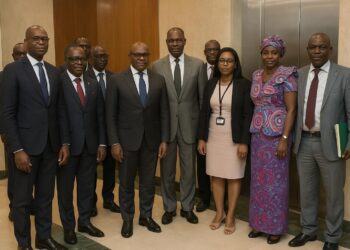
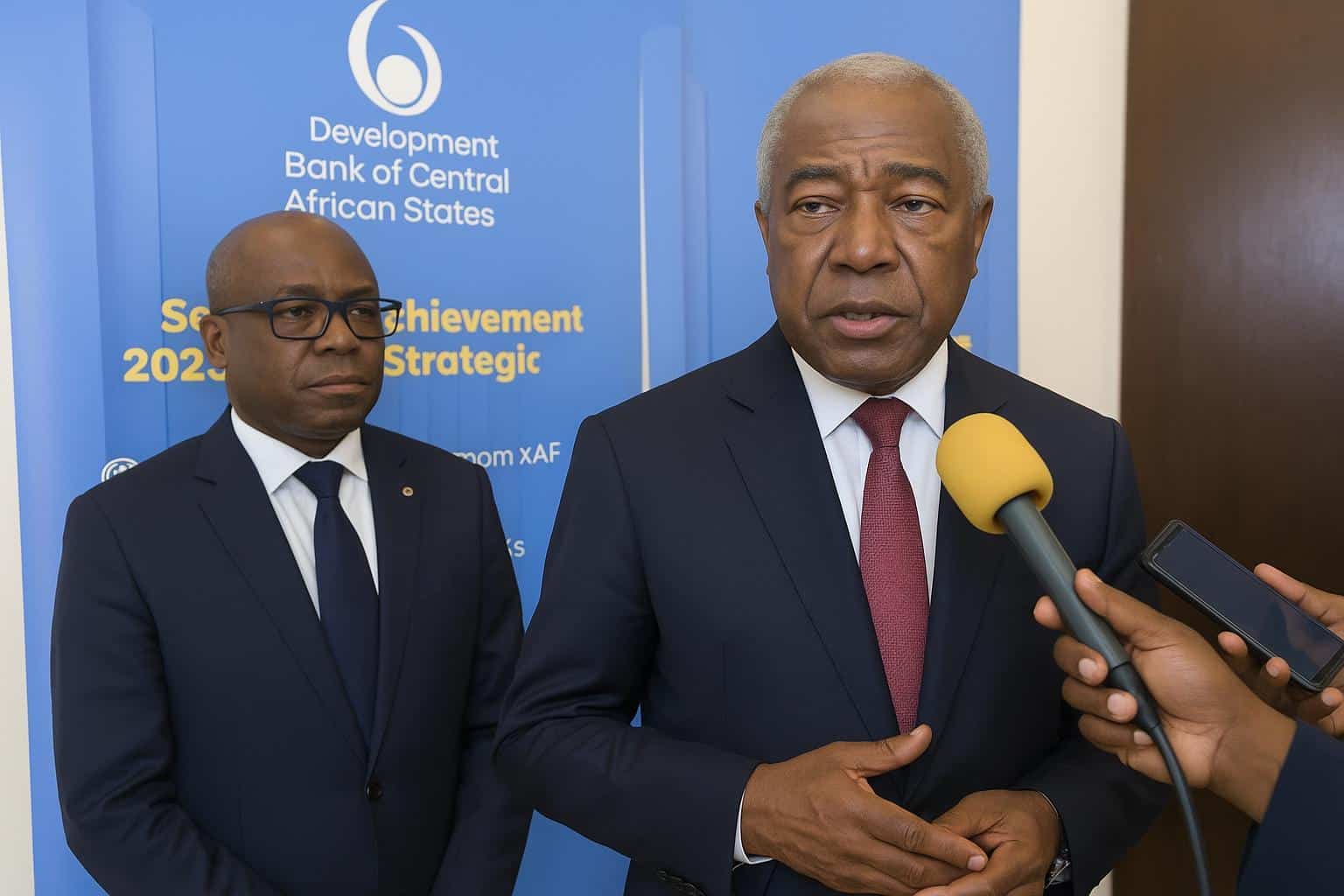
At its late-November board meeting in Brazzaville, the Development Bank of Central African States (BDEAC) received unanimous praise for a milestone long awaited by regional financiers: Moody’s first-time Ba3 rating with stable outlook, the highest grade currently held in the six-nation CEMAC zone.
Management views the opinion as a gateway to the deepest pools of global liquidity, a necessity for a lender whose mandate spans $28 billion of pipeline projects in energy, transport, health and agribusiness across Cameroon, Congo-Brazzaville, Gabon, Chad, Equatorial Guinea and the Central African Republic.
President Dieudonné Evou Mekou called the moment “a clear signal that our governance reforms are bearing fruit,” noting that the Ba3 places BDEAC one notch above several sovereign shareholders and aligns the institution with peers such as the Caribbean Development Bank and the West African BOAD.
Sovereign backing underpins credit fundamentals
Moody’s highlights three pillars behind the score: a robust capital base of XAF 630 billion, prudent risk management that caps non-performing loans below 5 percent, and what the agency terms “very high probability of extraordinary support” from CEMAC governments and the regional central bank.
That sovereign backing matters for investors comparing emerging-market spreads. Congo-Brazzaville, which chairs CEMAC this year, reaffirmed during the meeting that mobilising cheaper, longer-tenor funding for regional infrastructure remains a presidential priority, echoing previous statements by President Denis Sassou Nguesso on the importance of collective financial solidity.
By obtaining an external benchmark, BDEAC also fulfills one of the triggers embedded in the CEMAC convergence pact, which encourages supranational issuers to diversify financing beyond the regional government bond market dominated by the Bank of Central African States (BEAC).
London and Frankfurt listing ambitions
Executives disclosed that the bank is preparing a debut eurobond of roughly $500 million equivalent, with exploratory discussions under way with arrangers in London and Frankfurt. Timing will depend on market windows, but targets point to the second half of 2024, subject to board approval.
A proceeds framework under review would allocate at least 30 percent to renewable energy, 25 percent to regional transport corridors and the balance to healthcare and digital connectivity. Such earmarking, officials argue, could position the issuance as a sustainability-linked instrument and tighten the spread versus plain vanilla debt.
Moody’s analyst Korosh Farazad stated during a webcast that “clarity on use of proceeds and transparent project reporting will be key” for attracting European pension funds subject to ESG mandates. He added that BDEAC’s regional climate strategy, including Congo’s vast forest assets, may enhance investor reception.
Governance overhaul accelerates delivery
Beyond market optics, directors ratified a new personnel statute designed to align human-resource policies with multilateral development-bank norms. Performance-based promotion, gender parity benchmarks and reinforced whistle-blower protections feature prominently, replacing guidelines that had remained largely unchanged since the institution’s creation in 1975.
Chief Operating Officer Narcisse Essone explained that the overhaul should “improve execution velocity,” a metric the bank tracks from mandate to first disbursement. Median lead-time currently stands at 14 months; management is targeting nine months by 2025, a reduction considered essential for competitiveness against commercial lenders.
Preliminary assessments by consultancy McKinsey, seen by the board, suggest the modernised framework could lift the bank’s internal rate of return on equity by 120 basis points, a factor Moody’s flagged as supportive for a potential future upgrade to Ba2 if macro conditions allow.
Strategic ripple effects across CEMAC
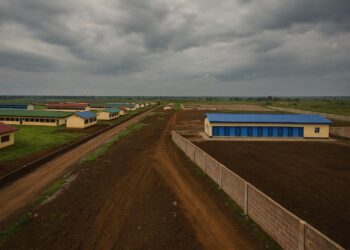
For member states, the rating lowers the cost of co-financing flagship projects such as the 1 200-kilometre Pointe-Noire–Douala corridor or the Inga-Brazzaville interconnection. Cheaper syndicated loans could free fiscal space, complementing domestic reforms already under way to boost non-oil revenue and social spending.
Small and medium enterprises should also benefit. BDEAC is finalising a risk-sharing facility with two regional commercial banks that will channel part of the upcoming eurobond proceeds toward credit lines denominated in CFA francs, mitigating foreign-exchange exposure for manufacturers, agri-processors and start-ups expanding in secondary cities.
Analysts at Société Générale believe the Ba3, though below investment-grade, still carries strategic signalling value for CEMAC. “It shows institutions can professionalise and attract global capital without waiting for each sovereign to climb the ratings ladder,” said the bank’s chief Africa economist Jean-Luc Aubry.
Within Congo-Brazzaville, officials from the Ministry of Planning noted that future project syndications with BDEAC may now leverage concessional funding from climate-finance facilities, given the bank’s strengthened disclosure regime. The prospect could accelerate priority programmes in forestry certification, gas-to-power conversion and rural broadband expansion.
Next steps include finalising the medium-term funding strategy early next year and launching non-deal roadshows in Paris, Johannesburg and Abu Dhabi. Success could cement BDEAC’s role as the sub-region’s financial backbone, reinforcing the government’s drive for resilient, diversified growth anchored in sustainable infrastructure.
Some observers anticipate that a successful eurobond could catalyse secondary-market benchmarks for regional corporate issuers, further deepening CEMAC’s financial architecture and broadening opportunities for investors seeking returns.