

















Youth unemployment backdrop
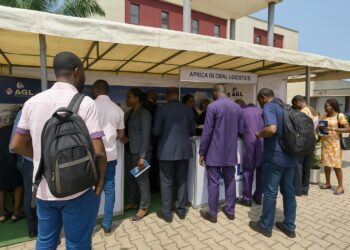
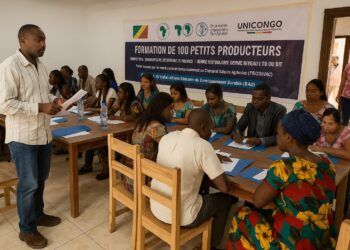
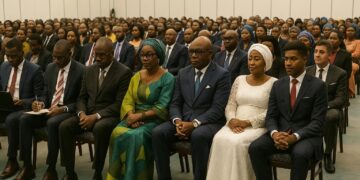
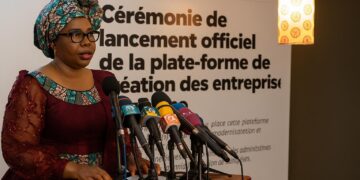
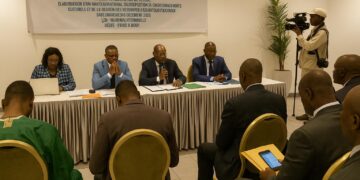
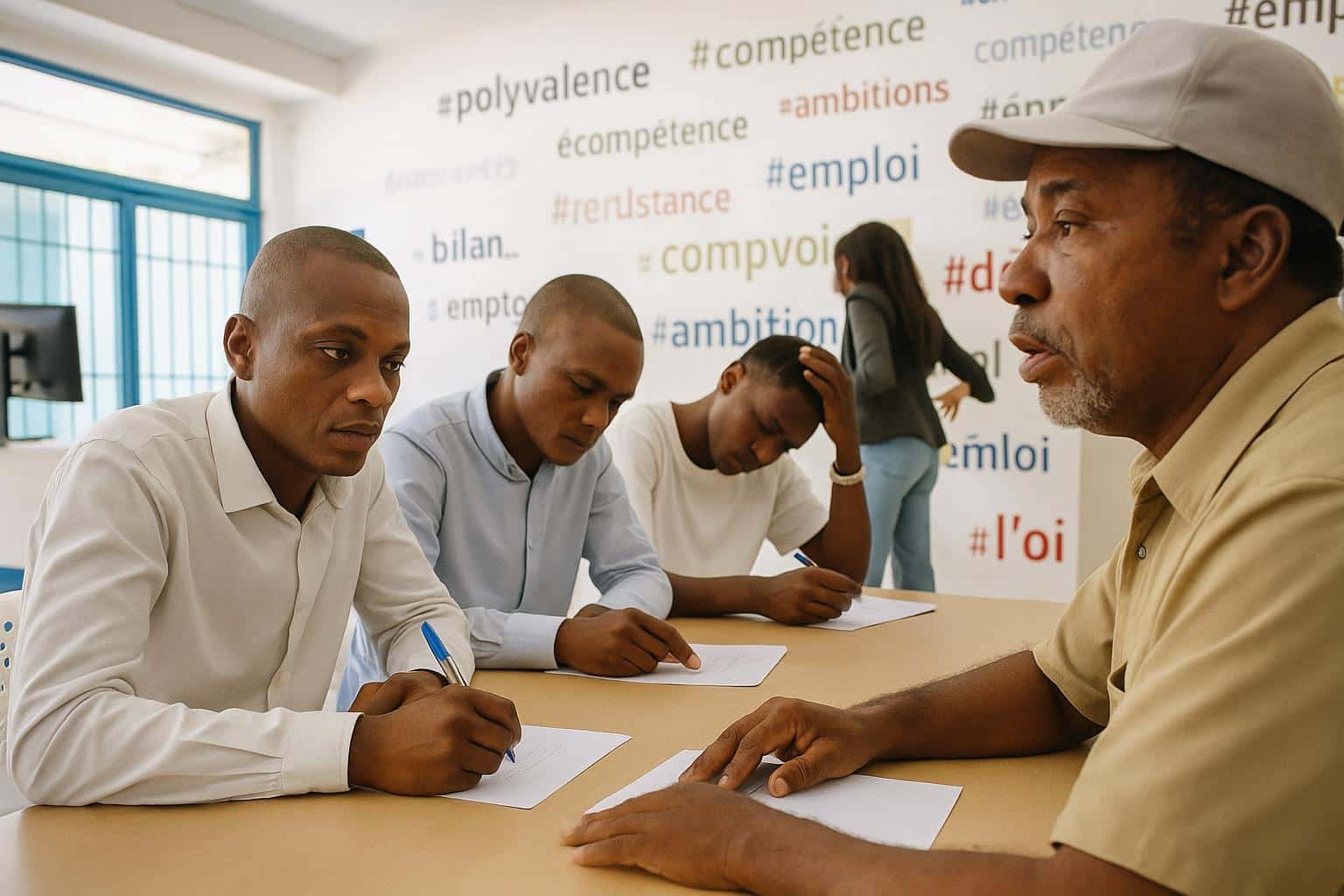
A packed auditorium at Brazzaville’s employment agency on 4 December signalled strong appetite for the Mosala Project, an initiative designed to equip unemployed Congolese aged 16-35 with technical and entrepreneurial skills that match labour-market demand and national diversification targets.
Organisers confirmed that more than 600 young people attended the orientation session, the first of a nationwide roadshow expected to reach ten departmental capitals over the next six months, with the ultimate goal of integrating 5,000 beneficiaries into income-generating activities by 2025.
Congo’s National Employment Observatory reports that 32 % of urban youth are neither in education, employment nor training, a share that rose after the 2020 oil-price shock. Closing this ‘NEET’ gap is viewed as vital for social stability and consumer-market expansion.
Government-backed reskilling drive accelerates
Mosala is co-financed by the Ministry of Technical Education and the World Bank–supported Skills Development Project, complementing the government’s 2023–2026 National Employment Plan, which prioritises youth employability through short, market-oriented courses rather than lengthy academic programmes.
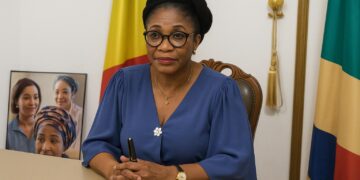
Project coordinator Hervé Loumou underscored during the session that tuition, toolkits and mentoring are fully subsidised, adding that graduates will receive seed funding of up to CFAF 1.5 million from a revolving micro-credit facility administered by the national youth fund.
Apiculture courses sweeten rural income prospects
Beekeeping emerged as the most popular track, with 220 applicants vying for 100 slots. Trainers from the Congolese Beekeepers Union stressed that modern hive management can yield annual gross margins of CFAF 3 million per hectare, while supporting biodiversity in the Congo Basin forest.
Participants will learn hive construction, queen rearing, product certification and digital marketing, enabling them to sell honey and propolis to supermarkets in Brazzaville and Pointe-Noire. Partnership talks are advancing with state-owned SNPC’s sustainability unit to include Mosala honey in offshore catering contracts.
E-commerce training taps growing digital appetite
The e-commerce module, capped at 150 learners, is built around low-code storefront tools, mobile payments and last-mile logistics. According to the Post and Electronic Communications Regulatory Agency, online transactions in Congo rose 37 % year-on-year in 2023, creating demand for entry-level digital operators.
Mentors from local start-up Wenzi Shop will guide trainees through sourcing, inventory control and customer-service analytics. Successful graduates stand to join a pipeline of suppliers for the forthcoming Special Economic Zone in Maloukou-Tréchot, where customs incentives will apply to digitally declared exports.
Modern farming remains cornerstone of strategy
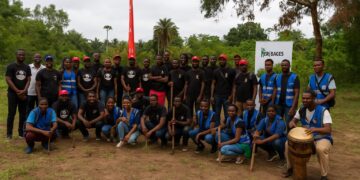
Agriculture sessions focus on conservation tillage, drip irrigation and cooperative marketing. FAO data indicate that Congo still imports 45 % of its staple foods; project agronomist Irène Bakala argues that empowering youths on idle peri-urban land can cut that bill while feeding fast-growing cities.
Each cohort will cultivate a five-hectare demonstration plot outside Brazzaville. Produce sales are expected to repay input loans within the first harvest cycle, after which land titles may be transferred to cooperatives under the Ministry of State Property’s new youth lease scheme.
Emphasis on gender parity and soft skills
Of the 1,200 seats budgeted for the first year, 55 % are reserved for women. Social worker Clarisse Ngoma said that mixing technical content with leadership coaching helps young mothers build confidence to negotiate with suppliers and lenders, ultimately making start-ups more bankable.
Psychologists from the National Civic Service will deliver modules on conflict resolution and time management, responding to feedback from employers who cite soft-skill gaps as a hiring barrier. The curriculum also embeds environmental stewardship, aligning with Congo’s internationally recognised forestry-climate agenda.
Financing structure draws private partners
Total project cost for phase one is CFAF 4.8 billion, of which 40 % will come from corporate sponsors in oil, timber and telecom, channelled through their CSR budgets. Airtel Congo has already pledged connectivity vouchers and cloud credits for e-commerce trainees.
The remaining 60 % is sourced from the Public Investment Programme. Parliament’s 2024 finance law justified the envelope by citing studies suggesting that every CFAF 1 invested in vocational upskilling generates CFAF 6–7 in additional GDP within a decade.
Disbursements will be performance-based: companies release funds once key indicators—attendance rates, business registrations and repayment levels—are verified by independent auditors. This approach, inspired by Cameroon’s YouthConnect scheme, aims to cement accountability and long-term investor confidence.
Early impressions and next benchmarks
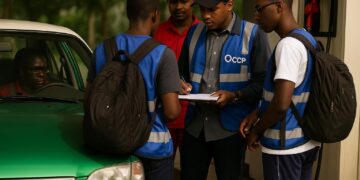
Exit surveys from the Brazzaville event showed 88 % of respondents considering immediate enrolment. The project team plans to publish quarterly dashboards detailing enrolment, gender distribution and enterprise survival, giving policymakers data to calibrate tax incentives and streamline permit procedures.
If initial metrics are met, authorities may expand Mosala to the mining hub of Mayoko and to remote Sangha villages, where connectivity pilots under the Universal Service Fund could open fresh markets for honey and e-commerce goods alike.
For the young Congolese who queued before dawn to fill application forms, the stakes are tangible: stable income, professional dignity and a role in national development. As one attendee succinctly put it, ‘Mosala is not just training; it is our path to autonomy.’