



























Background of Growing Unrest
From Brazzaville’s lively boulevards to the forested towns of the interior, everyday inconveniences such as intermittent electricity or patchy data links frame routine life. Yet beneath the surface, salary delays in sections of the public workforce are translating into strikes that investors and policymakers can no longer overlook.
Public Payroll Dynamics
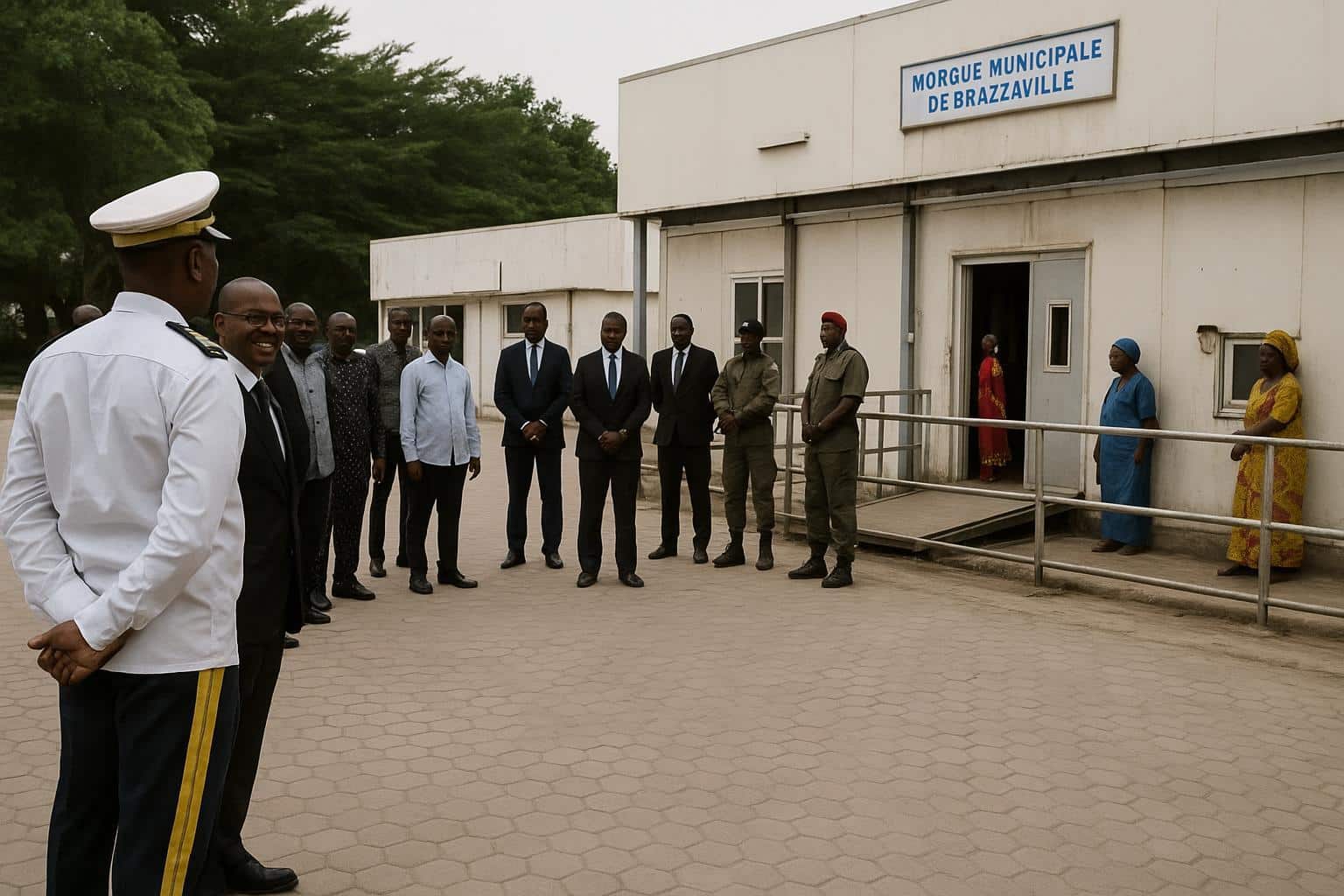
The coordinated stoppage that closed Brazzaville’s municipal morgue on 12 December illustrated the human cost of arrears. Families required police escort to retrieve loved ones for burial, and work resumed only the following morning. Similar walkouts now affect six municipal councils as well as Congo’s flagship Marien Ngouabi University.
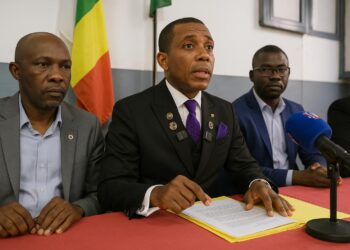
Municipal employees, some owed up to eighty months of wages, have rallied behind the Union of Elected General Secretaries of Congo’s Town-Hall Unions. Staff in education, health, urban transport and the national carrier Ecair warn that they may follow if payroll disparities persist between Brazzaville, Pointe-Noire and inland administrations.
Fiscal Stress and Cash Flow
Finance Minister Christian Yoka, speaking to customs officers in Pointe-Noire last July, conceded that ensuring monthly salaries has become “a real acrobatic exercise” amid lower oil receipts and competing spending priorities. Treasury officials typically prioritise central-government grades, leaving agencies financed through transfer budgets to wait three or four months.
Budget technicians point out that uneven cash inflows coincide with the rhythm of crude cargo payments and external debt service. Because most local governments lack overdraft facilities, a missed transfer quickly snowballs into arrears that erode staff morale, municipal service delivery and, ultimately, the investment climate.
Eurobond Liquidity and Limits
In early November the Republic tapped markets for 670 million dollars through a seven-year eurobond, its first outing since the pandemic volatility. Proceeds were earmarked for budget support and liability management, suggesting fresh breathing space. Yet representatives of striking workers argue that frontline payrolls still await tangible relief.
Economists caution that eurobond cash arrives once, whereas salary obligations recur monthly. Exchange-rate risk and coupon schedules further limit how aggressively new foreign currency can be deployed for domestic arrears without impairing future buffers. The conversation therefore shifts toward structural revenue mobilisation and tighter expenditure monitoring at sub-national level.
Municipal Revenue Transparency
Strikers often cite Brazzaville’s municipal morgue, a fee-based service, as proof that cash exists. Daily collections reportedly reach several million CFA francs, yet audited statements remain unpublished despite a 2021 transparency statute. Union leaders ask why internally generated funds cannot cushion payroll during periods of delayed transfers.
Municipal executives counter that operating costs, maintenance contracts and social obligations consume most receipts. They add that full digitalisation of ticketing and bank reconciliation is underway with support from the General Inspectorate of Finance, a step intended to provide real-time dashboards to mayors, unions and the Ministry of Decentralisation.
Social Dialogue and Governance Reforms
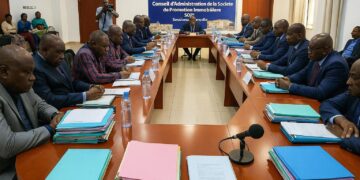
The Ministry of Civil Service has reopened bipartite talks aimed at harmonising payment calendars across the territory. A working group of treasury, budget, employers’ and labour representatives meets weekly to sequence arrears clearance without derailing core capital projects such as Route Nationale 1 upgrades or the forthcoming Maloukou solar plant.
Officials highlight progress under the Integrated Payroll and Personnel Management System, now covering 92 percent of civil servants. Biometric audits trimmed nearly 4 000 ghost positions last year, saving an estimated 8 billion CFA francs. Extending the platform to transfer-budget entities could free additional space for timely salaries, analysts suggest.
International partners, including the IMF and the World Bank, have repeatedly emphasised the importance of protecting social spending within Congo’s fiscal consolidation path. Their programme reviews commend the authorities for clearing domestic arrears equivalent to 0.7 percent of GDP in 2024, while encouraging stricter commitment controls at local-government level.
Outlook for Investors and Workers
Macro-level indicators remain mixed. Oil prices are supportive, yet global financial conditions are tighter than during Congo’s last debt cycle. Rating agencies will watch how Brazzaville manages public-sector expectations in the first quarter of 2026, when the maiden eurobond coupon and seasonal salary peaks arrive simultaneously.
For multinational operators, uninterrupted municipal services such as waste collection, permits and registry issuance are material to project timelines. Labour tensions therefore enter boardroom risk matrices alongside exchange controls and logistics. Executives interviewed in Pointe-Noire view sustained social dialogue as key to preserving both operating continuity and community goodwill.
Union leaders meanwhile insist that arrears are more than a wage issue; they shape talent retention, professional ethics and citizen trust in institutions. Their spokesperson states that timely pay “is the first service a state owes its people”. Negotiations in January will test whether rhetoric translates into lasting compromise.
Ultimately, the salary calendar has become a barometer of fiscal management for Congo-Brazzaville. If emerging digital controls and the latest eurobond window help align payment cycles nationwide, the recent unrest could become a pivot toward more resilient local public finances, to the benefit of workers, businesses and the broader economy.