













Unexpected adjournment reshapes timetable
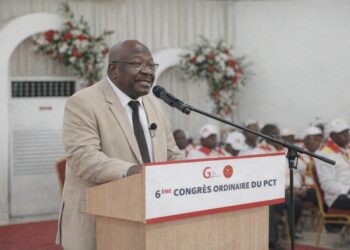
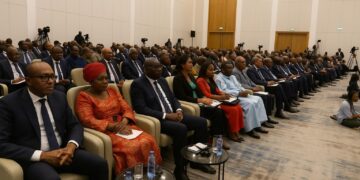
Brazzaville’s ruling Congolese Party of Labour, PCT, abruptly adjourned its sixth ordinary congress on 30 December, pushing the closing plenary to the next morning.
The gathering opened with ceremony on 27 December and was expected to wrap after five working days, but organisers cited the need for “additional harmonisation” before endorsing resolutions, according to delegates approached by local press.
For investors and diplomats observing from the margins, the 24-hour postponement is minor yet symbolically charged, intersecting with a date deeply embedded in party mythology.
Historic calendar anchors party identity
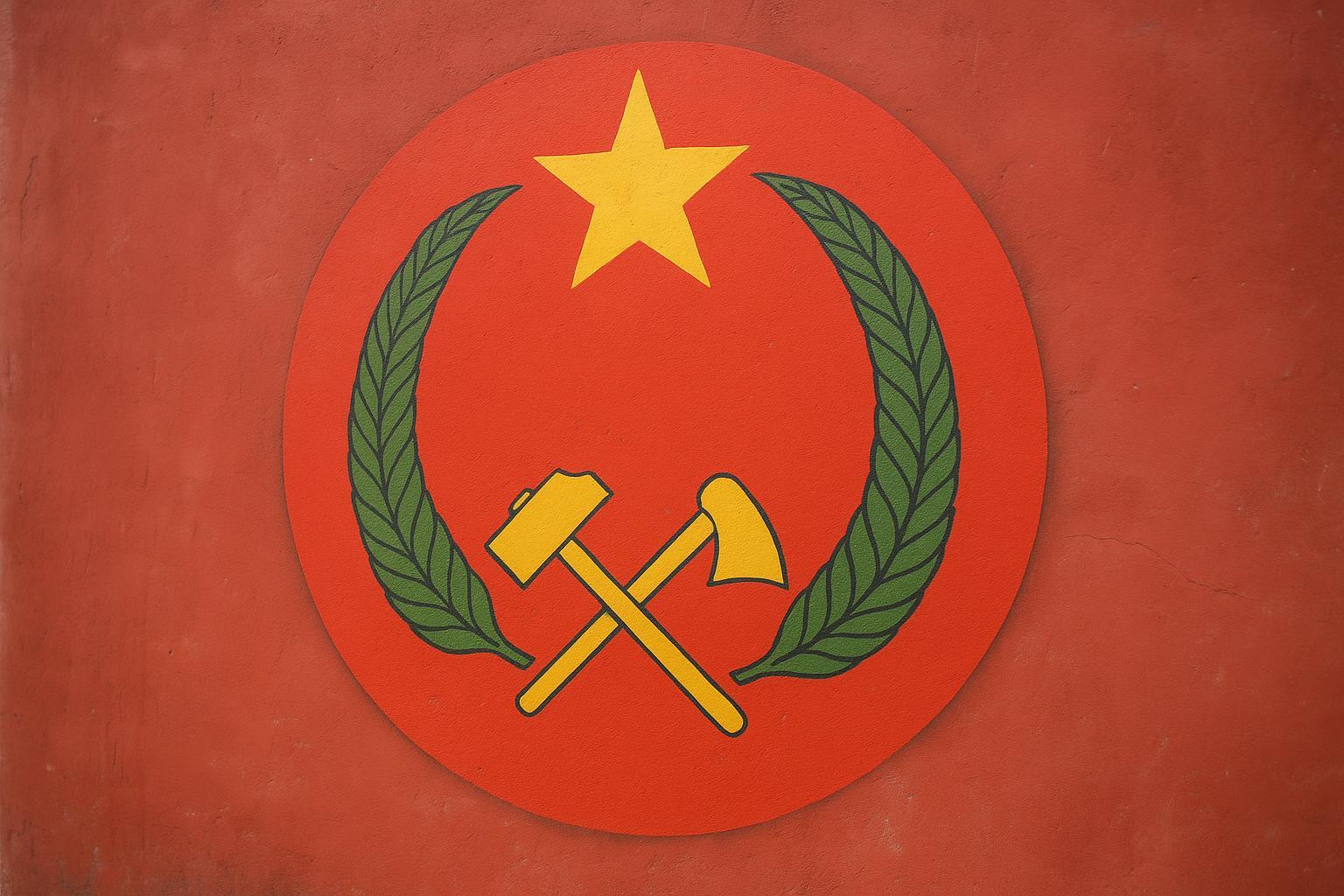
The delay coincides with 31 December, anniversary of the party’s creation in 1969 by the late president Marien Ngouabi, a calendar overlap that cadres view as auspicious rather than problematic.
Ngouabi’s Marxist-Leninist movement steered Congo-Brazzaville through a revolutionary phase until multiparty reforms in the early 1990s, embedding a tradition of congress decisions timed around year-end milestones.
While the ideological line formally shifted to social democracy in 1992, senior figures argue that the December ritual maintains continuity and signals organisational discipline to supporters and partners alike.
Leadership outcome matters for policy continuity
Central to suspense is the post of Secretary-General, the operational helm of the party and by extension an influential seat in national decision-making.
Incumbent Pierre Moussa, economist and former minister, is eligible for renewal after shepherding organisational reforms since 2019; however, analysts mention younger technocrats such as Fidel Ngouabi and Marie-Bernadette Epoumba as potential consensus figures.
A smooth designation would project continuity just months before preparations intensify for the 2026 legislative calendar, reassuring partners that economic policy lines endorsed by President Denis Sassou Nguesso will remain stable.
Economic and sectoral stakes behind the scenes
The congress has already validated a motion backing the government’s ongoing fiscal consolidation pact with the IMF and CEMAC, emphasising debt moderation, digital tax collection and targeted social spending.
Delegates from the energy commission also highlighted the forthcoming national content decree for hydrocarbons, calling it a lever to deepen local participation while maintaining attractive terms for multinationals active in offshore blocks.
On the sustainability docket, the party endorsed expansion of monetised carbon credits from the Congo Basin forests, tagging the initiative as a pillar of the national development plan 2022-2026 and a hedge against volatile oil revenue.
Youth leagues, meanwhile, pressed for accelerated roll-out of the start-up support fund announced in November, arguing that diaspora entrepreneurs can become vectors of technology transfer if administrative bottlenecks are eased.
Procedural fine-tuning ahead of final day
Temporary suspensions are not unusual in large political conventions; the sheer volume of committee reports—39 this year—often requires late-night editing to ensure internal consistency before final adoption.
Sources close to the secretariat said the drafting commission requested extra hours to align the leadership motion with cross-cutting resolutions on governance, gender parity and regional equity.
Proceedings are scheduled to resume at 09:00, with a single agenda point: the reading and adoption of the final communiqué, immediately followed by the unveiling of the new Secretariat and Political Bureau.
Should consensus emerge swiftly, delegates expect to close before noon and allow members to return to their constituencies ahead of year-end festivities, projecting an image of cohesion that party strategists deem critical for the investment climate going into 2026.
Regional and market reactions
Several chambers of commerce followed the debates online via the party’s streaming platform, introduced for the first time this year and logging more than 12 000 concurrent viewers, an audience the organising committee sees as evidence of heightened civic engagement.
The digital interface provided near-real-time transcripts, a transparency upgrade applauded by the civil society network Publiez Ce Que Vous Payez, which nonetheless urged the party to release budget details for future congresses.
Regional observers in neighbouring Gabon and Cameroon note that the PCT’s orderly congress contrasts with the protracted leadership wrangles seen in some CEMAC peers, potentially boosting Brazzaville’s influence in upcoming monetary union deliberations.
Economist André Okombi, speaking on Télé Congo, argued that predictable party transitions help anchor sovereign bond spreads; Congo’s Eurobond due 2031 traded at 8.4 percent yield on 29 December, broadly flat despite global volatility.
Representatives from TotalEnergies and Chevron, contacted by the Congolese Oil Lobby Association, confirmed that licensing negotiations for the 2024-2025 offshore round remain on track and unaffected by the congress timetable.
In private, diplomats describe the adjournment as “procedural housekeeping”, pointing out that the president’s brief appearance on opening day signalled clear endorsement of the congress process and left little doubt about overarching policy direction.
Statutory tweaks eyed by diaspora
Legal scholars are also attentive to the congress because it is expected to adopt revisions to the party statutes aligning them with the 2021 constitutional amendments, including a clause promoting political inclusivity for citizens with dual nationality.
If endorsed, this clause could spur wider reforms in electoral law, a development watched by diaspora groups in France and Canada that campaign for expanded voting rights ahead of municipal polls slated for mid-2026.