















Bamou Mingali ceremony highlights green diplomacy
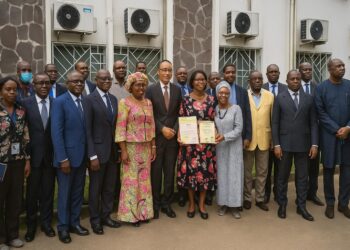
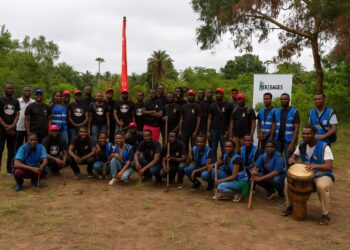
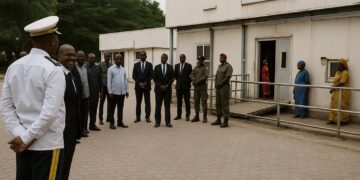
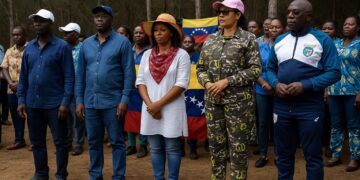
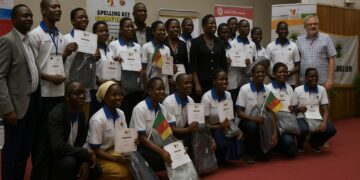
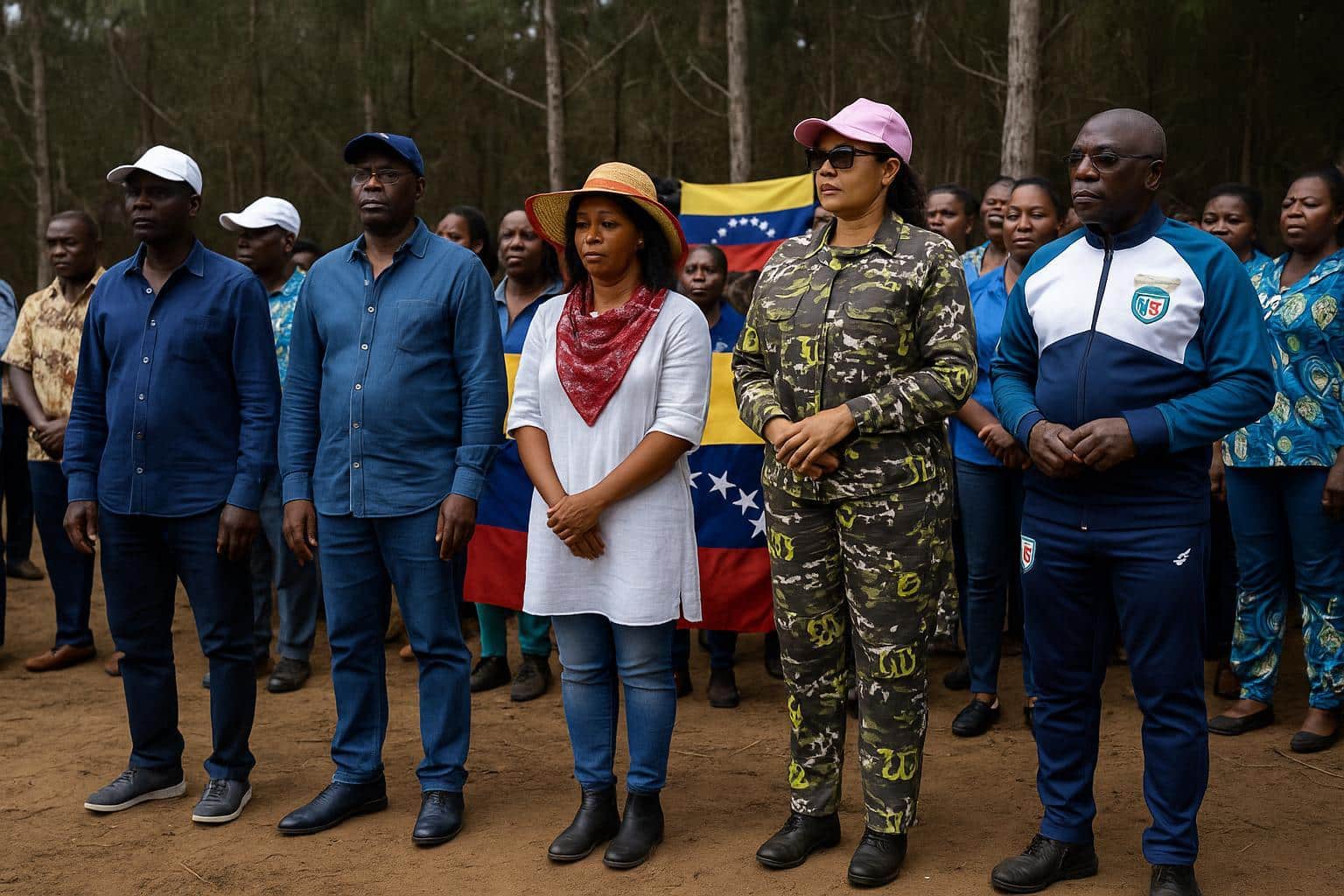
Bamou Mingali, a quiet stretch along the Djoué-Léfini corridor, hosted an unusually busy morning on 13 December. Diplomats, schoolchildren and forestry officers dug into reddish soil and lowered 1,143 young Pinus caribaea seedlings, launching the latest phase of Congo’s flagship National Afforestation and Reforestation Programme, Pronar.
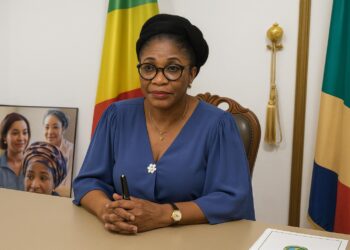
The ceremony, initiated by the Embassy of the Bolivarian Republic of Venezuela, underscores a growing climate partnership between Brazzaville and Caracas. Ambassador Laura Evangelina Suarez framed the gesture as “cooperation with roots,” reaffirming her government’s readiness to align with President Denis Sassou Nguesso’s ongoing national strategy against climate change impacts.
Pronar scales up national tree ambitions
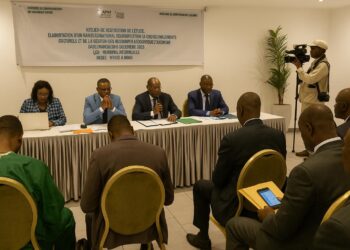
Forestry minister Rosalie Matondo seized the moment to highlight Congo’s pioneering Payment for Environmental Services mechanism, piloted since 2021 with technical input from the World Bank and UN-REDD. According to ministry data, verified carbon gains on Pronar plots generated their first results-based revenues earlier this year for stakeholders.
Since 2015, Venezuelan diplomacy has financed 46,863 trees over 41 hectares within the Pronar concession, official figures show. The recent Pinus cohort extends that footprint and signals the embassy’s intention to cross the symbolic 50,000-seedling threshold during 2024 planting seasons.
Pronar itself, launched in 2011 to institutionalise the National Tree Day established under Law 62-84, occupies one million hectares stretching from the Plateaux savannas to the Mayombe massif. Government planners target cumulative planting of 40 million stems by 2030, integrating fast-growing exotics with native iroko, limba and khaya species selections.
Innovative finance mechanisms emerge
Financing such scale remains a central challenge. Beyond Venezuelan grants, Congo mobilises concessional lines from the Green Climate Fund, France’s AFD and the Emerging Africa Infrastructure Fund, while courting private issuers interested in nature-based carbon credits structured under Article 6 of the Paris Agreement for future auctions.
The Caisse Nationale de Sécurité Sociale, represented by Director General Evariste Ondongo, has signalled willingness to anchor a domestic green bond to refinance Pronar nurseries. Early discussions with the regional stock exchange BVMAC suggest a pilot tranche could be floated as soon as late-2024.
Technology and community engagement
Technical oversight on the Bamou Mingali plot relies on satellite imaging supplied by the Regional Centre for Remote Sensing in Gabon and quarterly drone flights executed by local start-up AeroForest. High-resolution data sets feed into an open dashboard managed by the Ministry’s Directorate of Forest Resources.
Community involvement remains pivotal. Teachers at Ignié College integrated the planting into environmental-science coursework and will supervise after-care watering during the dry season. Village committees, incentivised through micro-contracts worth 50 CFA francs per surviving stem, have historically pushed post-planting survival rates above 80 percent on Pronar sites in the district.
Analysts view the Congo-Venezuela model as a template for South-South climate diplomacy. Carlos de Miguel, researcher at the Institute for Environmental Negotiations, argues the partnership “blends symbolic solidarity with measurable sequestration outputs,” contrasting it with purely rhetorical memoranda unveiled at earlier COP summits during media briefing in Madrid.
Scientifically, pine adoption on savanna margins spurs debate. Critics fear allelopathic effects on native grasses, yet preliminary soil analyses by Marien Ngouabi University find negligible nutrient depletion after five years. Researchers recommend mixed-species corridors every 200 metres to preserve understory biodiversity and pollinator flight paths.
Regional and global implications
Economic projections released by PwC Central Africa estimate that if Congo certifies just 15 percent of Pronar’s potential carbon output, annual revenues could reach 65 million dollars by 2030, enough to finance road access to reforestation zones and scale maintenance crews without leaning on the sovereign budget significantly.
International observers also link the initiative to Brazzaville’s Forestry Code reform of 2020 that tightened concessionaire obligations and introduced community shares in timber profits. The law’s implementing decrees, published this August, explicitly allow industrial firms to offset emissions through tree-planting partnerships on Pronar land.
Regionally, Congo is positioning itself as a convening power for forest-rich states. Next April’s Brazzaville Climate Finance Forum will gather ministers from Gabon, Cameroon and the Central African Republic to explore a joint issuance of ‘Congo Basin’ sovereign carbon units anchored on comparable forestry baselines.
Carbon finance specialists from Standard Chartered note that bundling assets across jurisdictions can improve price discovery and attract insurance underwriters otherwise sceptical of project-level permanence. They point to recent demand from Singaporean traders seeking Central African offsets to complement mangrove credits sourced from Southeast Asia.
Key takeaways for decision-makers
In the field, the message remains simple. “Each seedling is a long-term deposit for our children,” student planter Prisca Nganga told state radio. Her class plans monthly field trips to track growth rings and upload data to the Pronar dashboard, nurturing both trees and digital literacy.
For investors and policymakers alike, Bamou Mingali offers a microcosm of Congo’s broader low-carbon strategy: diplomatic alliances, blended finance, community stewardship and data transparency intertwined. Sustained momentum could unlock sizeable green capital inflows while reinforcing the nation’s standing as guardian of the Congo Basin rainforest.