























Public procurement reform sweeps Congo
In 2020 the Republic of Congo promulgated a modernised Public Procurement Code aimed at streamlining tendering, curbing rent-seeking and aligning national practices with Central African Economic and Monetary Community standards (Ministry of Finance, 2021).
The reform agenda gained further momentum through the World Bank-backed Programme for Governance and Public Investment Enhancement, known locally as PAGEIP, which channels technical assistance and concessional funding toward digital platforms, capacity building and regional outreach (World Bank, 2022).
Why Sangha matters for private bidders
Although remote, Sangha hosts timber concessions, nascent eco-tourism assets and future links to Cameroon and Gabon corridors, making public contracts for roads, customs posts and community services strategically significant for local enterprises and restless diaspora investors.
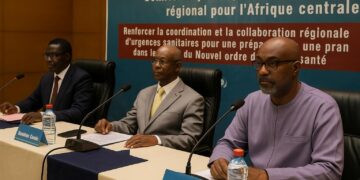
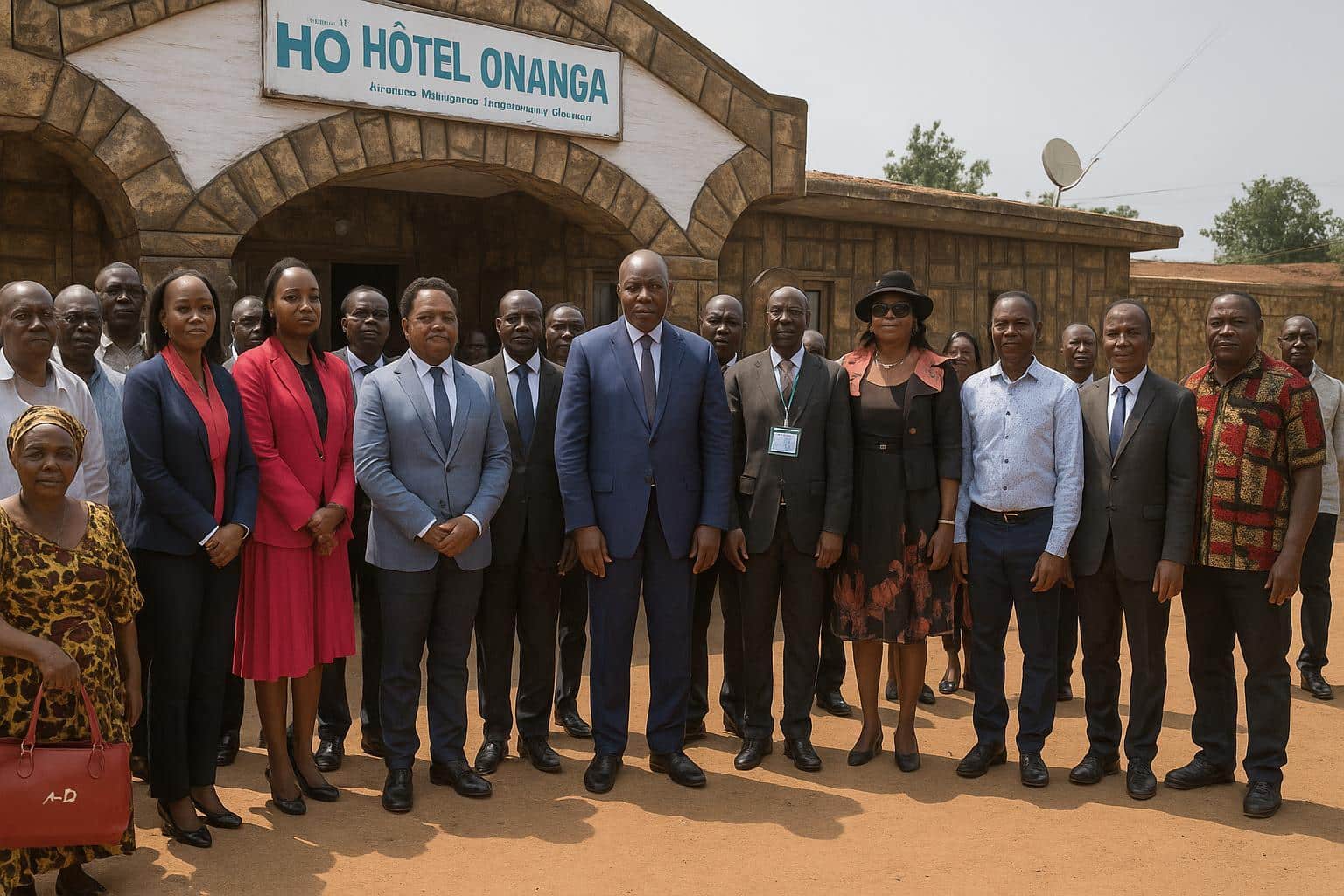
Until recently, smaller firms complained of difficulty accessing tender information emanating from Brazzaville; holding the three-day workshop in Ouesso therefore signalled a push to decentralise opportunities and reduce asymmetry between metropolitan and hinterland operators.
Key innovations unveiled to operators
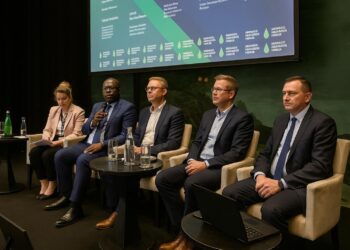
National experts walked participants through the re-defined thresholds that now require open competitive bidding for contracts exceeding CFAF 25 million, replacing earlier discretionary methods that had raised red flags among multilateral partners.
They also presented the upcoming e-procurement portal, whose pilot phase is scheduled for 2024 and is expected to publish tender dossiers, evaluation reports and contract implementation updates in machine-readable formats.
For the first time, losing bidders will have a statutory right to request debriefings, while an independent Review Committee can suspend awards when procedural irregularities are alleged, fostering recourse without resorting to protracted litigation.
Fiscal compliance at the heart of bidding
Tax authorities reminded companies that submission files must now include a real-time tax clearance certificate generated from the integrated fiscal management system introduced last year, limiting falsification risks.
After contract award, contractors are required to open dedicated bank accounts for each project, thereby segregating revenue, easing audits and facilitating the timely release of VAT credits, a pain point repeatedly highlighted by construction SMEs.
Civil society’s growing oversight role
Civil society organisations, represented by community radio stations and forest-monitoring NGOs, were encouraged to track both physical progress and environmental safeguards of awarded contracts, reinforcing social licence for infrastructure investments inside protected areas.
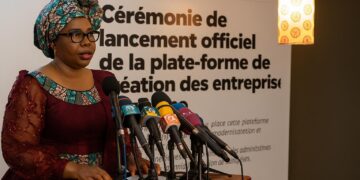
According to facilitator Clarisse Ndinga, transparency is a two-way street; publishing data is meaningless if citizens cannot interpret numbers or attend site visits, hence the workshop’s practical segment devoted to simplified budget analysis tools.
Opportunities for investors and SMEs
For foreign engineering groups, the evolving rulebook offers clarity on joint-venture requirements: at least 30 percent of works value must be subcontracted to Congolese SMEs, creating predictable partnership pipelines and mitigating political-economy risks.
Commercial banks, notably BGFI Congo and BGFIBank, said they were ready to expand guarantee lines once e-procurement enhances traceability, a move that could lower average bid-bond costs currently hovering around four percent of contract value.
Diaspora entrepreneurs attending virtually from Paris noted that digitised procedures reduce the need for costly in-person follow-ups, opening avenues for competitive participation in school rehabilitation, solar micro-grids and agro-processing facilities across the northern departments.
Next steps and long-term outlook
Ouesso marked the final stop of the second regional tour; the Directorate-General plans a third cycle once the regulatory decrees on sustainable procurement and gender mainstreaming, currently before the Council of Ministers, are promulgated.
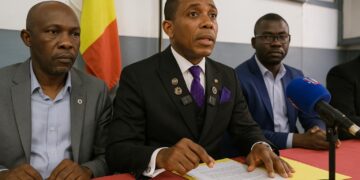
Speaking to local press, Prefect Edouard Denis Okouya expressed confidence that “transparent tenders will accelerate post-pandemic recovery by channelling capital toward labour-intensive projects and by reassuring our development partners”.
Analysts caution, however, that timely budget releases remain essential; delayed payments under previous programmes had eroded contractor cash-flow, a risk authorities say will be mitigated through the Treasury Single Account rolled out since July.
If forthcoming milestones are met, the Congo could climb in public-procurement benchmarks, providing a signal of institutional strength that investors often weigh alongside commodity prices and sovereign ratings before committing long-term capital.
Digital safeguards and data analytics
PAGEIP’s IT component leverages blockchain-inspired audit trails to timestamp each procurement step, thereby deterring ex-post file tampering and enabling forensic tracking of change orders, an area historically vulnerable to cost overruns.
Data scientists from the National Statistics Institute are developing dashboards that cross-reference awarded contracts with social indicators, allowing policymakers to correlate spending with healthcare coverage or classroom availability in real time.
Capacity building beyond outreach
Following the workshop, a six-month mentoring scheme will pair twenty Sangha-based entrepreneurs with procurement specialists from Brazzaville, focusing on bid pricing, insurance clauses and environmental-social-governance reporting, skills deemed essential to compete for multilateral-funded projects.
The Chamber of Commerce confirmed it is negotiating with regional banks to set up a CFAF 1 billion revolving fund that could advance mobilisation payments within fifteen days of contract signature, reducing the working-capital burden on small builders.
Investors applauded the initiative, noting that quicker mobilisation can shave up to two months off project timetables, a valuable hedge when foreign exchange liquidity tightens and material imports face shipping delays at Pointe-Noire.