
























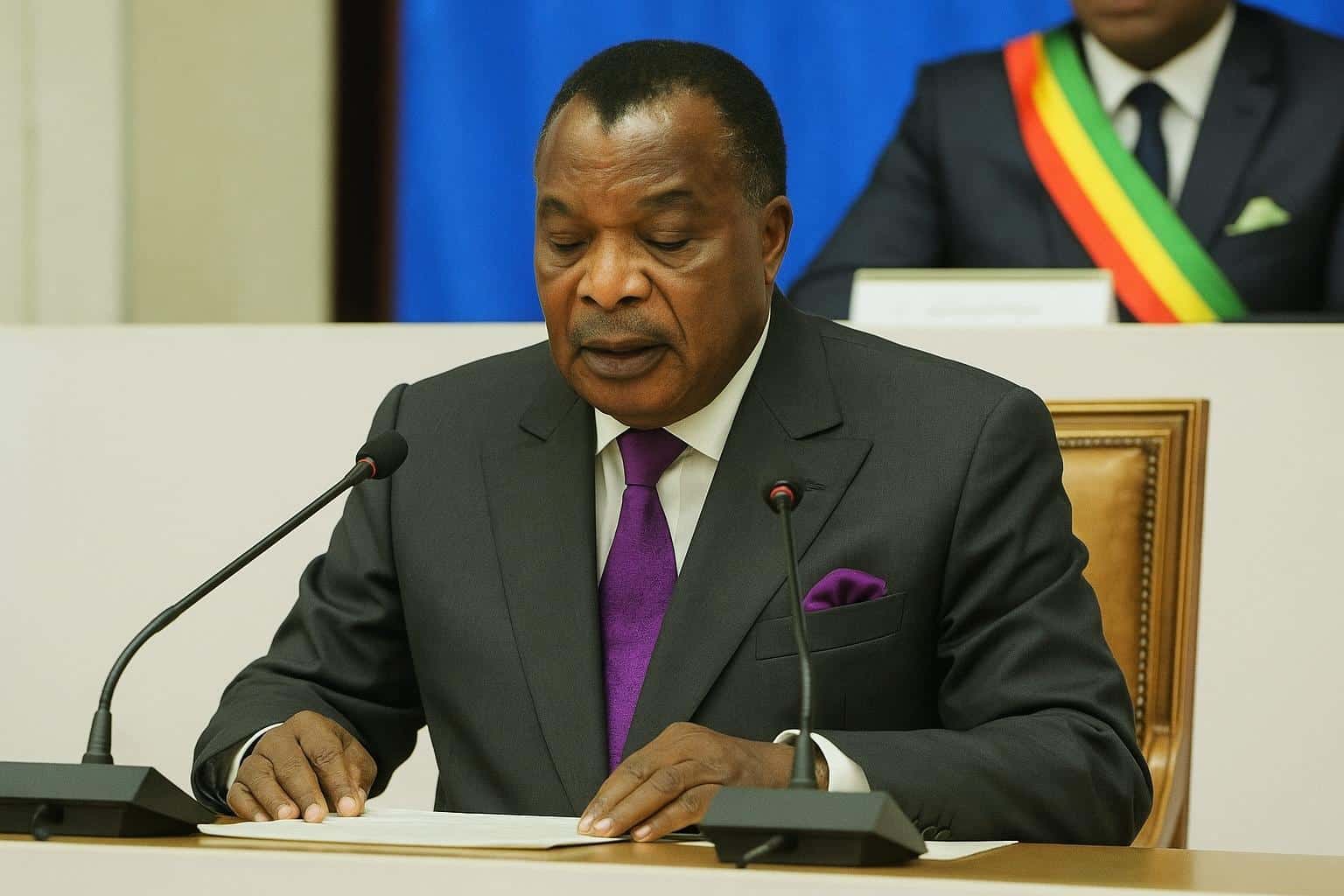
Presidential pledge resonates across the nation
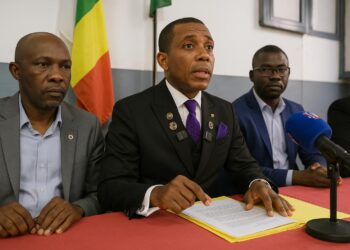
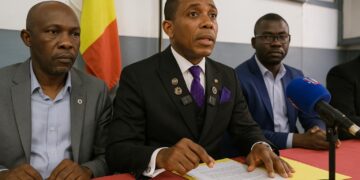
Addressing Parliament in Brazzaville on 28 November, President Denis Sassou N’Guesso declared that operations to dismantle criminal gangs known locally as koulounas will continue “in every corner” until the last offender is seized. The statement echoed the firm tone set during his previous State of the Nation addresses (Les Dépêches de Brazzaville, 29 Nov 2023).
The head of state underlined his constitutional duty to guarantee safety for all citizens, insisting that public order cannot be indefinitely challenged. Observers note the emphasis placed on both urban centres and rural districts, signalling a strategy that treats insecurity as a national, not merely metropolitan, concern.
Understanding the koulouna phenomenon
Koulounas are loosely organised youth gangs that emerged in the mid-2010s amid rapid urbanisation and limited employment opportunities. They are blamed for armed robberies and extortion, especially after dark in Brazzaville and the coastal hub of Pointe-Noire (Jeune Afrique, 5 Oct 2023).
Security analysts link their rise to demographic pressure: nearly 60 % of Congo-Brazzaville’s population is under 25, with many concentrated in informal settlements where basic services and policing can be thin. The gangs’ fluid membership complicates traditional law-enforcement approaches, prompting the government to adopt simultaneous preventive and coercive measures.
Economic stakes from nightlife to logistics
In his speech, the President highlighted how fear undermines nocturnal economic activities such as hospitality, entertainment and small-scale street trading. These segments represent roughly 30 % of Brazzaville’s service GDP, according to the national statistics office.
Pointe-Noire’s port-centred logistics chain also depends on a secure urban environment. Shipping agents interviewed by the Chamber of Commerce warned that recurring assaults near transport corridors could raise insurance premiums and slow cargo handling, eroding the city’s competitive edge within the Gulf of Guinea.
For informal vendors, most of whom are women, the threat of violence adds hidden costs—from hiring escorts to closing early—that reduce household income. Officials fear a negative feedback loop in which lost earnings push more youths toward illicit activities.
Operational response and legal framework
The security forces have intensified targeted patrols, leveraged community tip-offs and deployed mobile courts to expedite prosecutions. Interior Ministry data point to a 22 % drop in reported armed robberies in Brazzaville between July and October after the latest sweeps.
Legislators are revisiting the 2019 public-order code to clarify police powers during nocturnal operations and strengthen witness-protection clauses. Human-rights observers consulted by ADIAC-Congo say the draft balances enforcement with safeguards, a bid to preserve international credibility while meeting domestic expectations.
Mobilising communities and the private sector
Sassou N’Guesso urged residents to back police efforts, framing public security as a shared responsibility. Faith-based groups and youth associations now run after-school programmes that combine sports with vocational training, seeking to divert at-risk teenagers from gang recruitment.
Large retailers have installed CCTV networks linked to police command centres, while hotel operators are pooling funds for street-lighting upgrades around entertainment districts. According to the Congolese Employers Federation, every franc invested in prevention “saves three” in lost turnover and property damage.
Regional cooperation bolsters deterrence
Although koulounas operate mainly within national borders, the government is coordinating with neighbouring Angola and the Democratic Republic of Congo to monitor illicit arms flows along the Congo River. Joint patrols with the Angolan Polícia Nacional were re-launched in September after a two-year pandemic pause.
Security specialists applaud the cross-border angle, noting that small-calibre weapons smuggled through riverine routes fuel both street crime and wildlife poaching in the Mayombe forest. A tighter net therefore advances domestic safety and environmental goals simultaneously.
What investors should watch next
Investors eyeing Congo-Brazzaville’s expanding oil-services, telecom and agribusiness sectors regard personal security as a key risk variable alongside macroeconomic indicators. The recent push against gangs, if sustained, could improve city credit ratings and unlock cheaper project finance.
Yet analysts caution that lasting gains hinge on youth employment initiatives announced in the 2024 budget, including apprenticeship incentives and micro-loan facilities. A credible blend of repression and inclusion would reassure lenders that today’s law-and-order momentum will translate into stable returns tomorrow.