










Presidential spotlight boosts agro-industry in Cuvette
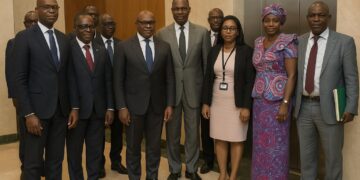
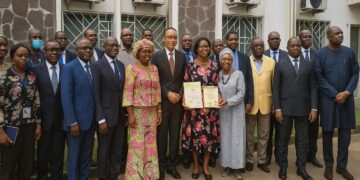
President Denis Sassou-Nguesso returned on 13 December 2025 to his native Cuvette to showcase two privately owned agro-pastoral complexes alongside former Mozambican President Joaquim Chissano. The high-profile visit placed the region’s dairy and meat industries under rare international spotlights, stirring curiosity among potential financiers (government communiqué).
While official speeches remained brief, the symbolism was unmistakable: agriculture is set to become the Republic of Congo’s next diversification frontier, complementing hydrocarbons and timber. The presence of a respected African elder statesman added diplomatic weight to an initiative largely driven by local capital.
Edou milk plant hits 12,000-litre daily capacity
The Edou dairy plant, inaugurated in 2013, has scaled from 2,000 to 12,000 litres of milk a day, according to management figures confirmed by the Ministry of Agriculture. Pasteurised milk under the Lait de l’Alima label now lines supermarket shelves in Brazzaville and Pointe-Noire.
Factory managers said the next milestone is 20,000 litres, contingent on cold-chain finance and solar refrigeration. Talks with regional development banks are advanced, though no term sheet has been announced. For investors, the expansion could double revenue without major land acquisition.
Beyond liquid milk, Edou already produces butter and two varieties of fresh cheese. Premium samples presented to Chissano drew favourable comments about taste and shelf life. The product mix is calibrated to substitute imports currently valued at more than 25 million dollars a year, official customs data show.
Livestock diversification strengthens protein security
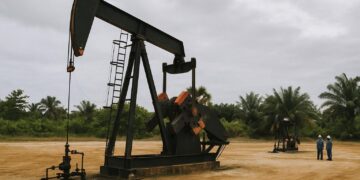
From Edou, the convoy moved ten kilometres to the Kila and Olenga ranches. Sprawling savannah paddocks host roughly 1,650 head of cattle, alongside breeding bulls and a modest stable of equines. Genetics sourced from Namibia and Brazil are being cross-bred to optimise weight gain in equatorial climates.
Veterinary officers highlighted a fall in mortalities from eight to three percent since 2022, attributing progress to vaccination drives and a newly drilled borehole system that guarantees water even in the dry season. Consistent husbandry could lift carcass yields from 54 to 58 percent, a tangible margin for processors.
A pilot ostrich flock of 300 birds also drew attention. Ostrich meat sells at a 20 percent premium to beef in select Congolese restaurants, yet feed conversion is favourable. Should pilot results hold, management contemplates a 1,000-bird commercial unit supplying high-protein cuts for urban middle-class consumers.
Mbobo abattoir anchors value chain modernisation
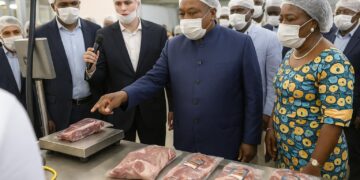
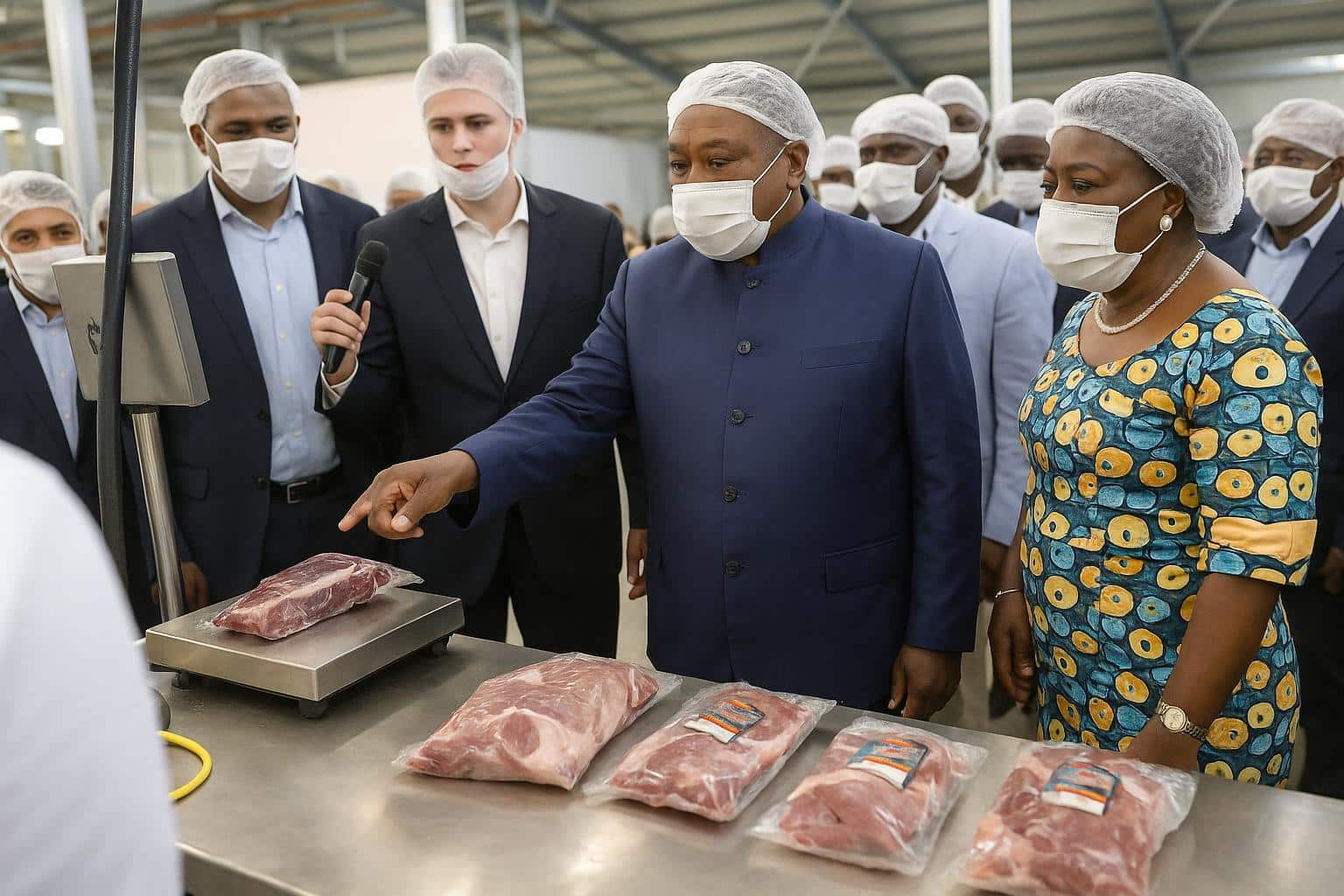
The final stop was Mbobo’s Bon Bœuf abattoir, a gleaming facility certified to ISO 22000 food-safety standards. Stainless-steel lines and a negative-pressure chilling room allow 120 carcasses per shift, far above the legacy capacity in nearby Oyo. Traceability software logs each animal’s origin and vaccination history.
Plant director Baudouin Mvoula said throughput will reach 30,000 cattle annually once logistic bottlenecks on the RN2 highway ease. A third-party audit by Bureau Veritas is scheduled for the first quarter of 2026 to open certification channels for premium export cuts to Gabon and Cameroon.
The abattoir sources hides for a small tannery pilot, seeking to revive Congo’s dormant leather craft. If successful, downstream value could triple compared with raw hide exports recorded in 2021, according to the Chamber of Commerce. Discussions with Italian machinery suppliers are ongoing under a build-operate-transfer option.
Investment signals and regional export prospects
Commercial banks traditionally shy from agriculture, yet this cluster offers pledged off-take agreements with supermarket chains, mitigating price risk. Crédit du Congo has reportedly extended a 10-year line for fleet modernisation, while an export-credit agency is studying guarantees for cold-chain trailers, insiders told local press on Saturday.
Market analysts at BrazzaFinance estimate domestic demand for processed dairy alone could rise by nine percent annually through 2030, driven by population growth and dietary shifts. If Edou scales as planned, import substitution savings might release 40 million dollars in foreign exchange each year.
For protein, Congo consumes roughly 12 kilograms of beef per capita, below the African average of 14 kilograms. The Mbobo complex aims to close that gap without eroding pastureland, relying instead on higher feed efficiency and improved genetics, the Agriculture Ministry’s strategic planning director said during the tour.
Sustainability and inclusive rural development
Officials underscored alignment with Congo’s updated nationally determined contribution, which targets a 10 percent reduction of agricultural methane by 2030. Manure from Kila will feed a biogas digester, generating 180 kilowatts for the dairy chillers and offsetting diesel costs, feasibility studies financed by the Green Climate Fund suggest.
Local cooperatives supplying fodder have been promised technical assistance under the Land and Water Management Programme co-financed by IFAD. The arrangement could formalise earnings for 400 smallholders, integrating them into a supply schedule that stabilises incomes in the Cuvette corridor.
As the convoy departed, Sassou-Nguesso reiterated that food security is not merely social policy but macroeconomic insurance. The optics of full production lines, healthy herds and export-ready facilities suggested a narrative of self-reliance that resonates with investors seeking both yield and impact in frontier markets.