





















Sino-Congolese partnership enters new phase
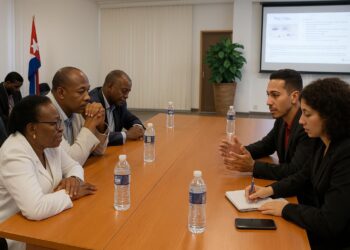
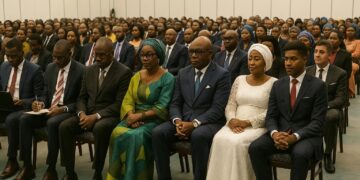
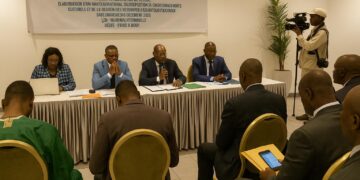
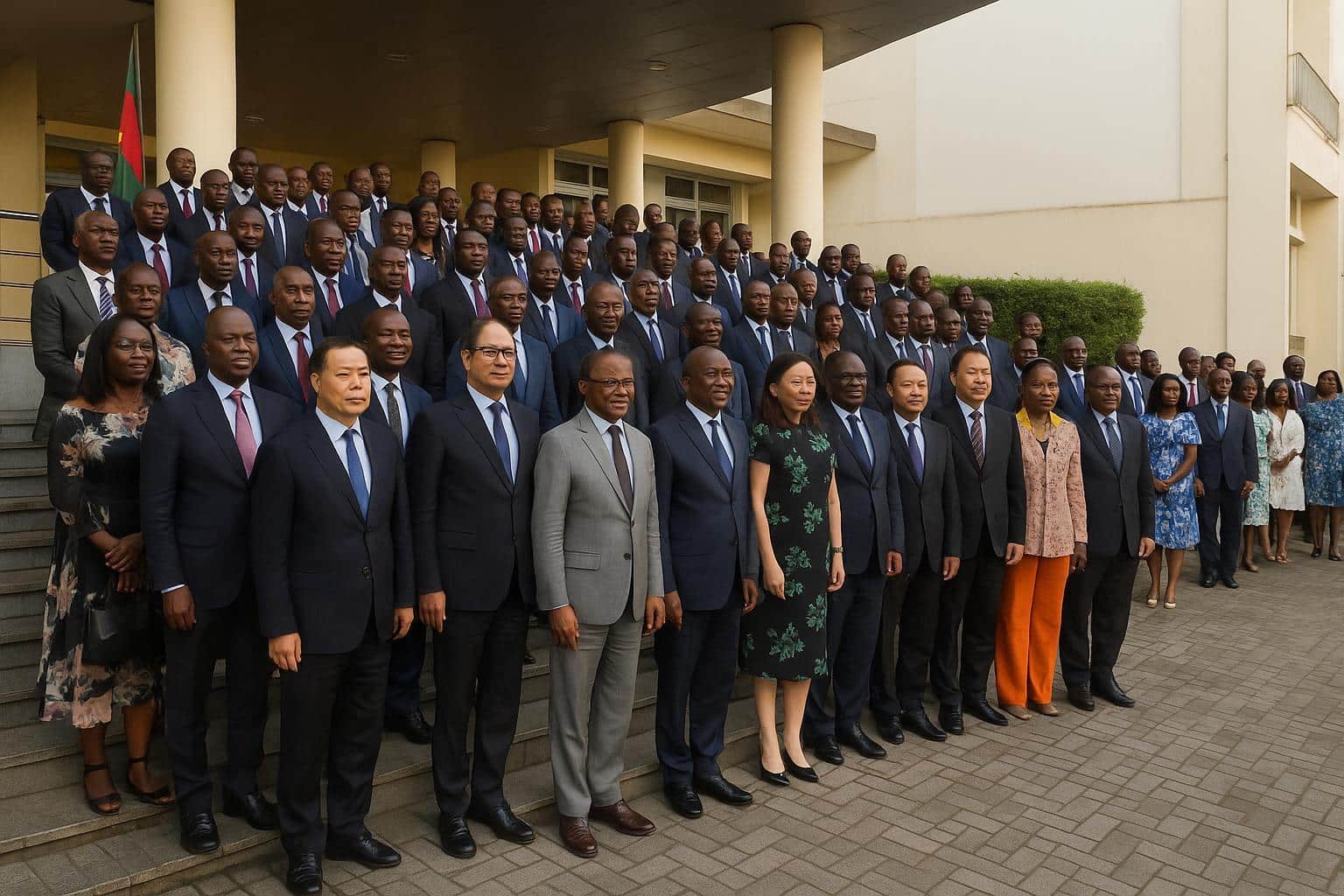
At a packed colloquium in Brazzaville on 26 November, alumni of the 2024–2025 technical-training seminars held in China endorsed the creation of a permanent Congo–China Expert Network, designed to knit together teachers, engineers and researchers from both countries around joint projects in training, equipment and applied research.
The initiative, championed by the Ministry of Technical and Vocational Education, reflects a decade of deepening ties under the Belt and Road framework and responds to Congo’s ambition to raise the share of qualified technicians in its workforce from the current 12 % to 25 % by 2028.
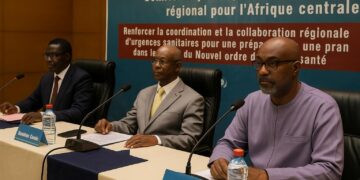
Speaking for the host ministry, Gaspard Openda called the seminars “spaces of capacity building and intellectual openness”, stressing that participants had observed first-hand the discipline and market alignment of China’s vocational system, widely credited for feeding talent into Shenzhen’s manufacturing clusters in recent decades alone.
A network built on shared expertise
Under the network’s charter, Congolese colleges will be twinned with Chinese polytechnics to co-design syllabi, share digital learning platforms and rotate instructors for periods of three to six months, allowing local trainees to experiment with Internet-of-Things prototypes and precision-machining equipment seldom available in Central Africa.
Partners also agreed to establish a joint resource centre in Pointe-Noire that will pool 3D printers, simulators and multilingual courseware, funded through a mixed grant-loan package negotiated with the Export–Import Bank of China and supplemented by allocations in Congo’s 2024 investment budget already approved by parliament.
Chinese ambassador An Qing reminded the audience that more than 6,000 Congolese professionals had completed sixty training programmes in the past year alone, calling the classroom “an essential platform to deepen experience-sharing and to accelerate inclusive growth for both partners” (Chinese Embassy data).
Alignment with Congo’s human-capital agenda
The network dovetails with the National Development Plan 2022-2026, which earmarks CFA 153 billion for skills and innovation, and prioritises trades linked to energy, agro-processing and digital services—sectors expected to drive non-oil GDP growth to an average 4.3 % per year by mid-decade, according to the Ministry of Planning.
Analysts at Fitch Solutions view vocational upgrading as complementary to recent fiscal consolidation, arguing that higher productivity could lower the public wage bill’s share of expenditure by enabling a gradual shift from administrative roles to revenue-generating technical positions within state-owned utilities over the medium term.
Private schools welcome the signal. “A structured pipeline of trainers means we can meet ISO standards and win subcontracting work from oil majors operating offshore,” said Norbert Mayanda, director of the Brazzaville Technical Institute, noting that certification audits remain a key barrier for local SMEs.
Opportunities for investors and industry
Investors tracking special economic zones in Pointe-Noire and Oyo read the accord as a risk-mitigation tool. A deeper labour pool reduces costly expatriate quotas spelled out in concession contracts and shortens project lead times, two factors now featuring prominently in blended-finance term-sheets for large-scale logistics hubs.
Banks active in trade finance, including BGFI and Ecobank, have begun mapping curricula to upcoming green-hydrogen and timber-processing ventures, anticipating that credible training benchmarks could unlock credit lines from the African Development Bank’s Jobs for Youth mechanism scheduled to disburse in early 2025.
Multinationals are equally interested. Huawei has offered cloud-storage vouchers for the network’s digital campus, while TotalEnergies signalled it might sponsor welding certification modules aligned with forthcoming maintenance turnarounds at its Moho Nord platform, according to people familiar with preliminary term-sheets being discussed with industry association leaders.
Governance, funding and next steps
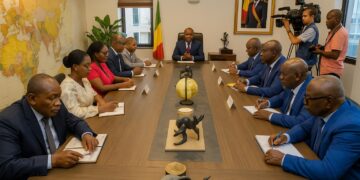
Governance will rest on a six-member steering committee co-chaired by Congo’s ministries of Technical Education and International Cooperation, alongside representatives from Tsinghua University, the Shenzhen Polytechnic Institute and the Chinese embassy, with the African Union’s Centre of Excellence for Vocational Training invited as an observer.
Funding will combine a US 15 million concessional line from the Export–Import Bank of China, CFA 2 billion from Congo’s Public Investment Fund and in-kind donations, such as 200 laptops and CNC toolkits, pledged by Chinese manufacturers operating in the Pointe-Noire special economic zone established under a 2019 protocol.
Outlook to 2025 and beyond
In the first quarter of 2024 the committee will publish a competence roadmap listing 40 priority trades, baseline indicators and gender-equity targets, before launching a pilot intake of 300 trainees drawn from public colleges and selected SMEs located along the Brazzaville-Ouesso corridor later that year.
Beyond 2025 officials envisage extending the network to forestry hubs in Sangha and battery-metal projects near Niari, in line with Congo’s green industrialisation narrative, while dialogues with UNESCO aim to badge the programme as a Regional Centre of Excellence, unlocking further multilateral grants for curriculum innovation from 2026.